
Parsi Lagan Sara Istew
A Parsi vegetable curry of roasted potatoes and carrots simmered with green beans, peas and raisins in a ginger, chilli and cardamom sauce. It tastes aromatic and gently sweet-sour from the vinegar, sugar and raisins.
Ground spices for the sauce
8 gStirred into the thickened tomato sauce (step 8)Everything else

Method
- Heat the oven to 200°C fan (425°F) and cover a baking tray with parchment.
- Toss 27 g vegetable oil with 400 g potato and 220 g carrot on the tray.
- Roast for 25 minutes until the edges are crisp; remove and set aside.
- Heat 26.4 g ghee in a large heavy-based non-stick saucepan over medium heat.
- Add 280 g onion and fry for 15–17 minutes until softened and light brown.
- Add 20 g fresh ginger root paste and stir for 1 minute.
- Add 150 g tomato purée and cook for 5–6 minutes until the sauce thickens.
- Add the ground spices for the sauce and stir for 1 minute.
- Add 25 g coriander leaves and stems and stir.
- Add the roasted vegetables, 120 g green bean and 50 g frozen pea; cook for 2 minutes over low heat.
- Add 30 g raisin, 30 g malt vinegar, 4.5 g light brown soft sugar and 199 g water; season to taste with salt.
- Simmer covered over low heat for 7–8 minutes, stirring halfway through.
- Finish with extra coriander leaves and stems and the reserved pinch of ground cardamom.
Don't have something?


 Peanut oil
Use 1:1 by weight. Handles high-heat frying identically and introduces a very subtle, pleasant nuttiness.
 Ghee
Use 1:1 by weight. Yields a much richer, authentic aroma and a glossy, heavier mouthfeel.
 Mustard oil
Use 1:1 by weight. Heat until smoking, then cool slightly before cooking to temper its intensely pungent, sharp mustard kick.



 Eggplant
Use equal weight. Cut into large chunks; cooks down much faster (10-12 minutes) and softens into the sauce rather than staying starchy and firm.
 Paneer
Use 80% of the weight. Cube and add in the last 5-10 minutes of cooking; adds rich dairy protein instead of starchy bulk.
 Dried chickpea
Use 45% dry weight. Soak overnight and boil until fully soft before stirring into the sauce to simmer for 10 minutes.


 Turnip
Use the same weight; peel and cut as for carrot. It is less sweet and slightly peppery, so add a pinch of sugar and expect a softer, more earthy result.
- Potato
Use the same weight; cut into similar pieces and add 5–10 minutes' extra cooking. It gives bulk but no carrot sweetness or colour.
 Courgette
Use the same weight; cut a little larger and add near the end. It releases water, so reduce other liquid slightly and expect a softer texture.


 Unsalted butter
Use 120% of the weight; melt gently over low heat to avoid burning the milk solids, which will yield a softer, creamier richness rather than a nutty aroma.
- Vegetable oil
Use 85% of the weight; holds high cooking temperatures without smoking, but the final dish will lack traditional dairy depth.
- Mustard oil
Use equal weight; heat to smoking point and cool slightly before cooking, bearing in mind it introduces an assertive, pungent edge.





 Ginger paste
Use equal weight. Sauté in hot fat until the raw allium smell disappears; slightly wetter, but provides identical warmth and pungency.
 Ground ginger
Use 20% to 25% of the weight (1 g for every 4 to 5 g fresh). Stir into the gravy; adds peppery heat and warmth, though it misses the crisp, zesty kick of raw root.


 Tomato purée
Use 40% to 50% of the fresh tomato weight mixed with a splash of water. Imparts a deeper red colour, thicker sauce, and slightly sweeter cooked flavour.
 Plain yogurt
Use 60% of the weight, whisked smooth and added on low heat. Provides rich body and sourness, though the gravy becomes paler and creamier.


- Ground ginger
Use 50% of the weight. Mimics turmeric's warm, earthy, rhizome background, but provides none of the golden-yellow colour.
 Saffron
Steep a tiny pinch (0.1 g per 2 g turmeric) in 2 tbsp warm water; use to match the rich golden hue. Contributes an aristocratic, honeyed floral flavour rather than earthy bitterness.


 Dried kashmiri chilli
Grind deseeded dried pods to an equal weight of powder; gives identical vivid red colour and gentle warmth.
 Red chilli powder
Use 25% of the weight mixed with sweet paprika for colour; straight red chilli powder is substantially hotter and will make the dish fiery.
 Chilli powder
Use one-third of the weight; the sauce will be less intensely red and notably sharper in heat.


 Cardamom seed
Grind the same weight; remove the pods first for a cleaner, stronger powder.
 Green cardamom pod seed
Grind the same weight of the seeds from green pods; discard the husks for the best flavour.
 Ground green cardamom
Use the same weight; it is the same spice and works directly.


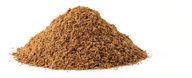
 Nutmeg
Grate whole nutmeg finely on a microplane; use 80% to 100% of the weight. Freshly grated nutmeg has significantly more aromatic oils and a more vibrant aroma.
 Ground mace
Use 100% to 120% of the weight. Mace is nutmeg's outer husk, providing almost identical warmth but with a lighter, slightly more delicate, floral edge.
 Ground cinnamon (cassia)
Use 75% of the weight. Adds comparable warmth and sweetness, though it lacks the musky, nutty undertone of nutmeg.


 Coriander (cilantro) or basil
Use the same weight, choosing the coriander element if available. If only basil is available, expect a sweeter, more aniseed flavour.
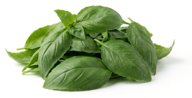 Basil leaves
Use the same weight. Basil is sweeter and more aromatic in a different way; add near the end so it keeps its perfume.
 Coriander paste
Use 1.5 times the weight and reduce other liquid slightly; it is less fresh and more concentrated, so taste before adding more.



 French bean
Use the same weight, top and tail; same result.
 French green bean
Use the same weight; same result.
 Cluster bean
Use the same weight, cut into lengths; firmer and earthier, cook slightly longer.




 Dried plum
Use equal weight, pitted and finely chopped. Lends a deeper, slightly more tart sweetness to curries and rice dishes.
 Cashew nut
Use equal weight. Fry lightly in ghee until golden; substitutes the burst of sweetness with a rich, buttery crunch.
 Jaggery
Use 30% of the weight, finely grated. Dissolve straight into the sauce to match the intended sweetness, though without the fruity chew.


 White malt vinegar
Use the same weight; sharper and clearer; reduce salt slightly.
 White vinegar
Use 90% of the weight, diluted with 10% water; harsher, so taste.
 Lime juice
Use the same weight; fresher sourness but no malt flavour; reduce salt.


 Demerara sugar
Use the same weight; it is drier and slightly less molasses-rich, so taste and add a little more if needed.
- Jaggery
Use the same weight; it is stronger and more mineral, so dissolve it first and reduce any other sweetener.
 Granulated sugar
Use the same weight; it is less moist and less dark. Add 5 g cane molasses per 100 g if you have it.


 Stock
Use the same weight in savoury dishes; it adds body, so adjust salt.
 Milk
Use the same weight only in doughs or creamy dishes; it makes the result richer.
 Coconut water
Use the same weight in curries or rice; it adds sweetness and a faint coconut taste.


Similar dishes

- Same: Navratan Korma shares potato, carrot, green beans, peas, onion, tomato, ginger, turmeric, Kashmiri chilli, cardamom, oil and sugar with this dish.
- Different: Navratan Korma adds cashews, single cream, pineapple, cauliflower, garlic, cinnamon and garam masala, and it lacks this dish's ghee, malt vinegar, raisins and nutmeg.

- Same: Puducherry Vegetable Kurma shares potato, carrot, green bean, pea, tomato, onion, ginger, chilli, turmeric and coriander with this dish.
- Different: Puducherry Vegetable Kurma uses vegetable oil only, while this dish also uses ghee; it adds coconut, cashew, poppy seeds, garlic, green cardamom pods, clove, cinnamon and bird’s eye chilli, and it lacks this dish’s raisins, malt vinegar, brown sugar and nutmeg.

- Same: Keralan Vegetable Avial shares with this dish potato, carrot, green beans, peas, onion, ginger, turmeric, chilli, oil, salt and coriander.
- Different: It adds grated coconut, Greek yoghurt, mustard seeds, cumin seed, curry leaves, black pepper and bird’s eye chilli, lacks this dish’s tomato, raisins, malt vinegar, sugar, ghee, cardamom and nutmeg, and is finished with a mustard-seed tempering instead of a roasted-potato-and-carrot cardamom sauce.

- Same: Istoo shares with this dish a vegetable stew base of onion, fresh ginger, vegetable oil and salt cooked until tender.
- Different: Istoo uses coconut milk, curry leaves, black pepper and mixed vegetables, while this dish uses roasted potato and carrot with green beans, peas, raisins, tomato, ghee, turmeric, Kashmiri chilli, cardamom, nutmeg, coriander, malt vinegar and sugar.