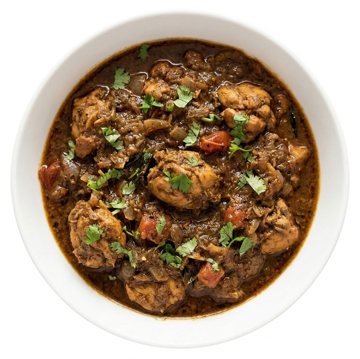
In a mortar, pound 12 g peeled ginger pieces together with the pounded paste spices using a pestle until you have a rough, textured paste.
Toss 300 g sliced onion with 12–18 g green chilli in a bowl and set aside. In another bowl, combine 160 g grated fresh coconut with 500 ml water, pass the mixture through a fine sieve, and reserve the strained liquid.
Bring a pot of water to a boil with a pinch of salt and the turmeric for parboiling. Drop in 10 unpeeled potatoes and boil for 5 to 8 minutes until partially tender, then drain.
Warm 27 g vegetable oil and 13.2 g ghee in a large, heavy-bottomed pot over medium heat. Tip in the whole spices and fry for 1 to 2 minutes until the mustard seeds crackle and the bay leaf darkens, then stir in 6 g crushed garlic for 30 seconds.
Stir in the ginger paste, 5 g curry leaves, and 750 g chicken pieces, sautéing everything in the spiced fat for 2 to 3 minutes until the meat is lightly sealed.
Season with salt to taste, add the parboiled potatoes and 1 sliced carrot, then cover with a lid and cook for 2 minutes.
Pour in 127 g coconut milk and 125 ml water, then mix in 70 g peas and 12 g ginger juliennes. Dust the surface with the garam masala, put the lid on, and simmer gently for about 30 minutes until the chicken is cooked through and tender.
Steep a tiny pinch (0.1 g per 2 g turmeric) in 2 tbsp warm water; use to match the rich golden hue. Contributes an aristocratic, honeyed floral flavour rather than earthy bitterness.
Use 80% of the weight, finely shredded and browned slowly with a pinch of asafoetida. Replicates the bulk and natural sweetness in gravies without allium.
Use 50% to 60% of the weight, soaked in equal parts warm water for 15 minutes before grinding. Works well for chutneys, though texture is slightly finer and sweeter.
Use 1.2 times the weight in curries. Adds creamy richness and authentic flavour, but makes gravies smoother and eliminates the grated, chewy mouthfeel.
Use 120% of the weight; melt gently over low heat to avoid burning the milk solids, which will yield a softer, creamier richness rather than a nutty aroma.
Use the same weight. The seeds are smaller and hotter; fry in hot oil until they pop, about 20–30 seconds, and reduce the heat if they darken too fast. The dish will be a little sharper.
Use 70% of the weight of whole seed, added with the other ground spices rather than fried whole. You lose the popping texture and the heat comes through more evenly.
Use 15% to 20% of the weight (about 1 g for every 5 to 6 g fresh cloves). Whisk into sauces; gives a savoury, toasted garlic flavour without raw pungency.
Use about a third of the weight (0.5 g ground for a 2.5 cm piece), stirred in with the ground spices rather than fried whole, since the powder burns quickly.
Use 1 g ground for 4 g whole (or 1 small pinch per 2 to 3 whole cloves). Add with spice powders; disperses intense warmth quickly, so use with restraint.
Allspice berries
Use 100% of the weight whole in tempering. Imparts a warm, clove-like aromatic profile combined with hints of nutmeg and cinnamon.
Use the same weight; peel and cut as for carrot. It is less sweet and slightly peppery, so add a pinch of sugar and expect a softer, more earthy result.
Use equal weight; simmer gently over low heat to prevent curdling. Imparts a comparable rich texture, though it adds dairy richness without any coconut fragrance.
Use 50% of the weight mixed with equal parts ground coriander and a pinch of ground cinnamon, ground cloves, and ground green cardamom. Sprinkle near the end for a warming finish.




 Fresh ginger
 Ginger paste
 Ground ginger


 Coarsely ground black pepper
 Ground black pepper


 Saffron





 Chilli powder
 Dried red chilli



 Desiccated coconut
 Coconut milk


 Potato
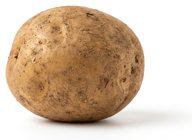 Small potato


 Peanut oil
 Ghee
 Mustard oil


 Unsalted butter


 Black mustard seed
 Yellow mustard seeds
 Ground mustard seed


 Cinnamon stick
 Ground cinnamon (cassia)

 Garlic paste
 Garlic powder
 Shallot


 Ceylon cinnamon
 Cassia buds


 Green cardamom seed
 Ground green cardamom
 White cardamom pod


 Ground cloves
 Allspice berries
 Black cardamom pod


 Lime juice


 Boneless chicken thigh
 Boneless chicken leg
 Boneless chicken breast


 Turnip
 Courgette


 Single cream
 Cashew paste
 Whole milk



 Ground cumin
 Lentil stew spice mix