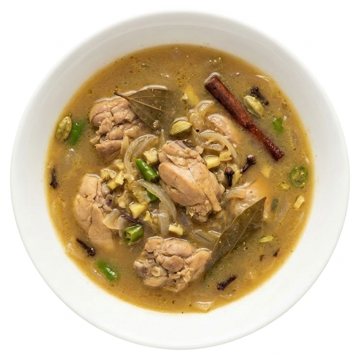
Indian cooking
Indian cooking / Dishes / Thengakkai Kori
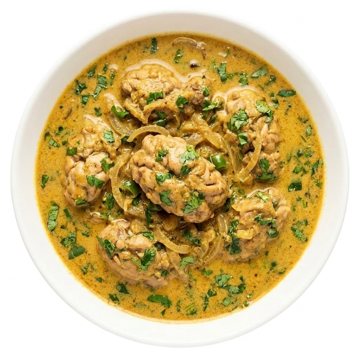
Thengakkai Kori (Chicken Curry (II))

Thengakkai Kori

Chicken Curry (II)
Non-vegetarian●●●Origin Tamil NaduPrep 20 minutes, plus marinating timeCook 45 minutes

A fragrant South Indian chicken curry enriched with coconut milk and strained for a silky, smooth sauce. It has a gentle heat balanced by cooling yogurt and aromatic whole spices.

Spices for the yogurt

7 gWhisked into the yogurt (step 1)
02
Ground turmeric · Haldiplus 1 teaspoon for rubbing
1.5 g½ teaspoon
spice
Leave as ground powders ready to whisk into the yogurt.

Whole spices for the oil

3.9 gAdded to the hot oil (step 3)
01
0.9–1.1 g5–6 pods
spice
02
0.4–0.4 g5–6 cloves
spice
03
2.6 g2 pieces
spice
Keep whole: they go into the hot oil together.

Ginger and garlic pastes

52 gStirred into the onions (step 4)
Combine together ready for the pan.

Finishing spice

1 gSprinkled into the sauce at the end (step 9)
Keep ground, ready to stir in at the finish.

Everything else

01
152 g150 ml
dairy
02
Chicken breastwith winglet bones
1600 g8 breasts
poultry
03
68 g5 tablespoons
oil/fat
04
300 g2 onions
vegetable
07
to taste
salt
08
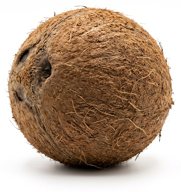
Coconut · Nariyalgrated, to garnish
8 g4 teaspoons
fruit

Method

  1. Whisk 152 g plain yogurt in a bowl with the spices for the yogurt (5.2 g chilli powder and 1.5 g ground turmeric) until smooth, then set aside.
  2. Place the 8 chicken breasts with winglet bones in a dish, rub evenly with 1 teaspoon turmeric and a pinch of salt, then cover and chill in the refrigerator for 15 minutes.
  3. Heat 67.5 g vegetable oil in a large, heavy saucepan over medium heat, add the whole spices for the oil, and fry for about 1 minute until the cardamom pods begin to colour.
  4. Add 300 g onion and cook for roughly 4 minutes until light golden, then stir in the ginger and garlic pastes and fry for 1 to 2 minutes until the onions turn golden brown.
  5. Take the pan off the heat, stir in the spiced yogurt mixture, then return to the heat and fry for 3 to 4 minutes until oil begins to bead on the surface.
  6. Pour in 750 g chicken stock and bring to a boil. Lower the heat to low, add the chicken, season with salt to taste, and simmer gently for about 30 minutes until the meat is cooked through.
  7. Lift the chicken out of the pan and set aside. Pour the cooking liquid through a fine sieve into a clean pan, discarding the strained solids, and place the pan back on the heat.
  8. Return the chicken to the strained sauce, pour in 254 g coconut milk, and bring just below a simmer without letting the liquid boil.
  9. Stir in the finishing spice, taste and adjust salt if needed, then take off the heat and scatter over 4 teaspoon coconut before serving.

Don't have something?

Plain yogurt
  • Yogurt

    Use equal weight, whisked thoroughly until smooth before adding to hot dishes to prevent curdling.

  • Coconut milk

    Use equal weight with 1 teaspoon lemon juice mixed in. Provides rich creaminess in curries, but adds a noticeable coconut flavour.

  • Single cream

    Use 80% of the weight plus a squeeze of lemon juice for acidity. Enriches sauces nicely, though it is richer and less tangy.

Chilli powder
  • Red chilli powder

    Use 100% of the weight. Provides direct, sharp heat and red colour in equal measure.

  • Kashmiri chilli powder

    Use 150% to 200% of the weight if matching colour, but add a pinch of black pepper or hot chilli if you need equivalent fiery heat.

  • Cayenne pepper

    Use 75% to 100% of the weight. Offers a sharp, clean heat with slightly less earthy depth and less crimson colour.

Ground turmeric
  • Ground ginger

    Use 50% of the weight. Mimics turmeric's warm, earthy, rhizome background, but provides none of the golden-yellow colour.

  • Saffron

    Steep a tiny pinch (0.1 g per 2 g turmeric) in 2 tbsp warm water; use to match the rich golden hue. Contributes an aristocratic, honeyed floral flavour rather than earthy bitterness.

Chicken breast
  • Boneless chicken thigh

    Use the same weight; cut into similar pieces. Juicier and more forgiving; cook 2–3 minutes longer.

  • Boneless chicken leg

    Use the same weight; cut into similar pieces. More flavour and slightly more fat; cook 3–5 minutes longer.

  • Chicken thigh

    Use the same weight; bone-in needs 5–10 minutes longer. More flavour, less dry.

Vegetable oil
  • Peanut oil

    Use 1:1 by weight. Handles high-heat frying identically and introduces a very subtle, pleasant nuttiness.

  • Ghee

    Use 1:1 by weight. Yields a much richer, authentic aroma and a glossy, heavier mouthfeel.

  • Mustard oil

    Use 1:1 by weight. Heat until smoking, then cool slightly before cooking to temper its intensely pungent, sharp mustard kick.

Green cardamom pod
  • Green cardamom seed

    Use 35 to 40% of the total pod weight; lightly bruise the seeds before frying in oil to release their essential oils.

  • Ground green cardamom

    Use 20 to 25% of the pod weight (about 1 generous pinch per pod); stir in toward the end of cooking so the delicate floral notes do not dissipate.

  • White cardamom pod

    Use 1:1 by pod count or weight; crack gently before using, though it is slightly less intensely floral.

Clove
  • Ground cloves

    Use 1 g ground for 4 g whole (or 1 small pinch per 2 to 3 whole cloves). Add with spice powders; disperses intense warmth quickly, so use with restraint.

  • Allspice berries

    Use 100% of the weight whole in tempering. Imparts a warm, clove-like aromatic profile combined with hints of nutmeg and cinnamon.

  • Black cardamom pod

    Use 1 pod for 3 to 4 cloves in whole tempering. Shares a camphor-like warmth and medicinal depth, though it introduces a distinct smoky undertone.

Cassia bark
  • Ceylon cinnamon

    True cinnamon: thinner, papery quills, milder and sweeter. Use about 1.5 times the weight, and taste.

  • Ground cinnamon (cassia)

    Use about a third of the weight (0.5 g ground for a 2.5 cm piece), stirred in with the ground spices rather than fried whole, since the powder burns quickly.

  • Cassia buds

    Use 60-70% of the weight; stronger and more peppery, so taste before adding more.

Onion
  • Shallot

    Use equal weight, finely sliced. Shallots soften and brown faster, giving a slightly sweeter and more delicate base to curries.

  • Cabbage

    Use 80% of the weight, finely shredded and browned slowly with a pinch of asafoetida. Replicates the bulk and natural sweetness in gravies without allium.

Garlic paste
  • Garlic

    Use equal weight; crush or finely grate to a smooth pulp to replicate the same fresh, pungent moisture in your base gravy.

  • Garlic powder

    Use 20 to 25% of the weight; mix with a teaspoon of water before adding to oil so it does not burn, noting it lacks the fresh bite.

Ginger paste
  • Fresh ginger

    Use equal weight; peel and grate very finely on a microplane or pound to a fine paste in a mortar.

  • Ginger

    Use equal weight; mince finely and crush with the flat of a knife before frying.

  • Ground ginger

    Use 20% of the weight; add directly with the dry spice powders, though it yields an earthier, less pungent profile.

Clear chicken stock
  • Chicken stock

    Use the same weight; skim if cloudy and adjust salt only at the end.

  • Vegetable stock

    Use the same weight; it is lighter, so add a little ghee or butter if the dish needs richness.

  • Water

    Use the same weight plus extra salt and a pinch of sugar; only for thin gravies, as it lacks body.

Coconut milk
  • Single cream

    Use equal weight; simmer gently over low heat to prevent curdling. Imparts a comparable rich texture, though it adds dairy richness without any coconut fragrance.


  • Cashew paste

    Whisk 1 part cashew paste with 2 parts water to match the consistency, then use equal weight. Provides a thick, velvety body without coconut flavour.

  • Whole milk

    Use equal weight, but reduce other cooking liquids by 20% to compensate for the lower viscosity. The curry will be lighter and lack sweetness.

Ground green cardamom
  • Green cardamom seed

    Grind freshly extracted inner black seeds finely; use equal weight (1:1). Greatly superior aroma with potent eucalyptus and citrus notes.

  • Green cardamom pod

    Lightly crack whole pods and simmer them in the gravy; use 150% of the weight of ground cardamom. Fish out the pods before serving.

  • Ground nutmeg

    Use 50% of the weight. Delivers warm, sweet aroma, but lacks cardamom's cooling, citrusy top notes.

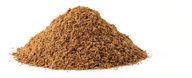
Coconut
  • Fresh coconut

    Use equal weight freshly grated or diced. Delivers the identical sweet, milky taste and juicy texture.

  • Desiccated coconut

    Use 60% of the weight and soak in hot water or milk for 15 minutes before using. The finished dish will be slightly sweeter and less fibrous.

  • Dried coconut

    Finely grate and use 50% of the weight, soaked in hot water for 20 minutes. Yields a firmer chew and a denser, oilier coconut aroma.

Similar dishes

Kobari Kori Pulussu
Chicken in Coconut Sauce
Kobari Kori Pulussu tastes richer and thicker, with ghee, dried coconut, poppy seed, cashew, and dried red chilli heat, while this dish is silkier and has cooling yogurt and gentler spice.
  • Same: Kobari Kori Pulussu shares chicken, coconut milk, onion, garlic paste, ginger paste, and whole spices such as clove, green cardamom, and cinnamon with this dish.
  • Different: Kobari Kori Pulussu uses a whole chicken, ghee, dried coconut, poppy seed, cashew nut, mint, dried red chilli, and boiled rice, while this dish uses chicken breast, vegetable oil, yogurt, turmeric, chilli powder, and chicken stock and is strained for a smooth sauce.
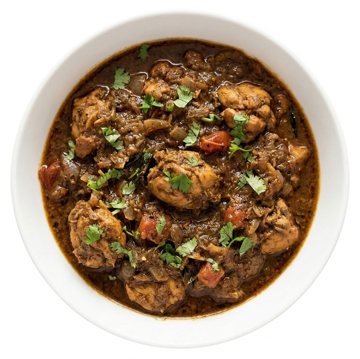
Chettinad Chicken Curry
Chicken Curry from Chettinad
It tastes noticeably hotter, more robust, and textured with an aniseed fennel aroma and tomato acidity, contrasting with the mild, creamy, and cooling profile of this dish.
  • Same: Chettinad Chicken Curry also features chicken cooked in vegetable oil with onions, ginger, garlic, coconut, and whole spices like cinnamon, cloves, and cardamom.
  • Different: Chettinad Chicken Curry is cooked with tomatoes and a freshly ground paste of coconut, fennel seeds, and poppy seeds, whereas this dish uses yogurt and coconut milk for a strained, silky sauce.
Bheja
Sheep's Brains with Coconut Milk
Bheja has a richer, grassier heat from ghee, green chillies, and fresh coriander, lacking the tartness of yogurt and the warm spice of chilli powder and ground cardamom in this dish.
  • Same: Both curries build their sauce on coconut, onions, ginger, garlic, and turmeric seasoned with whole cardamom, cloves, and cinnamon.
  • Different: Bheja uses sheep's brains cooked in ghee rather than chicken in vegetable oil, adds fresh green chillies, coriander leaf, and dairy milk, and omits the yogurt, chilli powder, and sauce-straining step of this dish.
Chicken Ishtoo
Indian-Style Chicken Stew
Chicken Ishtoo tastes lighter, cleaner, and sharper from fresh green chillies, without the rich, creamy, and mildly tangy profile of this dish.
  • Same: Chicken Ishtoo shares the same aromatic base of onions, vegetable oil, ginger, garlic, and whole warm spices including cinnamon, cloves, and cardamom.
  • Different: Chicken Ishtoo braises the meat in a light broth seasoned with fresh green chillies and bay leaves, omitting the coconut milk, yogurt, turmeric, and chilli powder found in this dish.