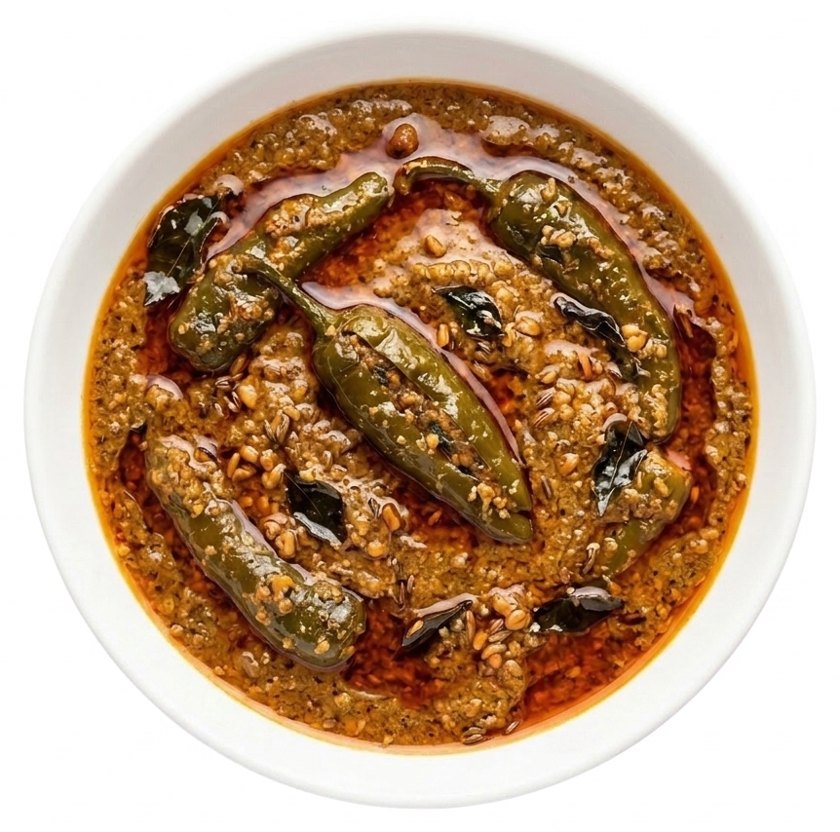
Mirchi ka Salan
A classic Hyderabadi chilli curry featuring mild green peppers cooked in a velvety, tart, and nutty gravy enriched with sesame seeds and tamarind.
Spices for roasting
10 gToasted in a dry pan (step 1)Spices for the paste
20 gBlended into the sauce paste (step 2)Tempering seeds
3.7 gBloomed in the hot oil (step 4)Everything else

Method
- Place the spices for roasting, 4 tbsp peanuts, and 1 tbsp grated coconut into a dry skillet over medium heat. Toast for 2 to 3 minutes until lightly browned and fragrant, then take off the heat.
- Transfer the toasted mixture to a blender or food processor. Add the spices for the paste, 150 g onion, 12 g peeled ginger, 1 tsp jaggery or sugar, 62.4 g tamarind extract, and salt to taste, then grind to a smooth paste.
- Warm 216 g vegetable oil in a heavy-bottomed pan over medium heat. Add 30–36 g green chillies and gently stir-fry for roughly 15 seconds.
- Add 2.5–3.8 g curry leaves and the tempering seeds, tossing them in the hot oil for 30 seconds.
- Tip the blended paste into the pan and cook, stirring occasionally, for roughly 10 minutes until the oil separates and rises to the top.
Don't have something?


 Ground coriander
Use 75% of the weight; stir in along with wet masala or tomato purée rather than frying in hot oil, as the fine powder burns instantly.
 Cumin seed
Use 50% of the weight for tempering in hot oil. Lacks the floral, sweet citrus flavour of coriander, introducing warm, pungent earthiness instead.
 Fennel seed
Use 50% of the weight in tempering; provides pleasant aromatic sweetness, though noticeably aniseedy rather than citrusy.


 Ground cumin
Use 70% of the weight; add with ground spices or sauce bases rather than hot oil tempering, where it scorches quickly and turns bitter.
 Black cumin seeds
Use equal weight for oil tempering. Delivers an earthy profile with an additional musky, smoky, and slightly bitter edge.
- Fennel seed
Use 60% of the weight for tempering; offers comparable warm aroma, but leans sweet and liquorice-like rather than savoury and earthy.


 White sesame seed
Use the same weight. Toast lightly before use; white seeds are milder and give a cleaner look.
 Black sesame seed
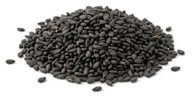
Use the same weight. They are stronger and more bitter; toast briefly and use slightly less if the dish is delicate.
 Peanut
Use the same weight, crushed or chopped. It gives crunch but not the same nutty sesame aroma.


 Roasted peanut
Use the same weight; adjust salt if they are already salted, and crush or grind as the recipe asks.
 Cashew nut
Use the same weight; they are richer and softer, so roast for a shorter time and reduce added fat.
 Almond
Use the same weight; blanch and peel for sauces, or chop for texture. They are firmer and less oily.


- Cashew nut
Use equal weight. Soak in warm water for 20 minutes and grind to a smooth paste; produces an even creamier, slightly richer gravy than poppy seeds.
- White sesame seed
Use equal weight. Soak and grind finely; provides similar thickening and body with a slightly nuttier, faintly bitter edge.
- Almond
Use equal weight. Blanch, peel, and grind finely with a splash of water; lends a velvety body and gentle sweetness to gravies.
 Fresh coconut
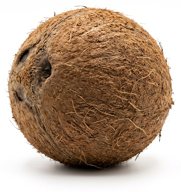
Use equal weight freshly grated or diced. Delivers the identical sweet, milky taste and juicy texture.
 Desiccated coconut
Use 60% of the weight and soak in hot water or milk for 15 minutes before using. The finished dish will be slightly sweeter and less fibrous.
 Dried coconut
Finely grate and use 50% of the weight, soaked in hot water for 20 minutes. Yields a firmer chew and a denser, oilier coconut aroma.






 Fresh ginger
Use equal weight; scrape off the skin and grate or finely julienne according to the recipe.
 Ginger paste
Use equal weight; stir straight into the sizzling aromatics, taking care as the extra moisture may spit.
 Ground ginger
Use 15 to 20% of the weight; add alongside ground spices, noting it imparts warm, dry heat rather than zesty freshness.


 Garlic
Use equal weight; crush or finely grate to a smooth pulp to replicate the same fresh, pungent moisture in your base gravy.
 Garlic powder
Use 20 to 25% of the weight; mix with a teaspoon of water before adding to oil so it does not burn, noting it lacks the fresh bite.


- Ground ginger
Use 50% of the weight. Mimics turmeric's warm, earthy, rhizome background, but provides none of the golden-yellow colour.
 Saffron
Steep a tiny pinch (0.1 g per 2 g turmeric) in 2 tbsp warm water; use to match the rich golden hue. Contributes an aristocratic, honeyed floral flavour rather than earthy bitterness.


 Red chilli powder
Use 100% of the weight. Provides direct, sharp heat and red colour in equal measure.
 Kashmiri chilli powder
Use 150% to 200% of the weight if matching colour, but add a pinch of black pepper or hot chilli if you need equivalent fiery heat.
 Cayenne pepper
Use 75% to 100% of the weight. Offers a sharp, clean heat with slightly less earthy depth and less crimson colour.


 Jaggery
Use the same weight, grated or crumbled. Same deep, molasses-like sweetness.
 Brown sugar
Use the same weight. Soft brown sugar is closest; slightly milder.
 Demerara sugar
Use the same weight. Drier and less molasses; dissolve in a little hot water first.



 Tamarind
Use 180% of the weight of compressed tamarind; soak in three times its weight of boiling water for 15 minutes, knead, and strain out the thick pulp.
 Dried mango powder
Use 35% of the weight dissolved in two tablespoons of warm water. Provides sharp tang, though the resulting sauce will be lighter in colour.
 Lemon juice
Use equal weight, added right at the end of cooking. Adds sharp acidity without the deep brown hue or pulpy thickness.


 Peanut oil
Use 1:1 by weight. Handles high-heat frying identically and introduces a very subtle, pleasant nuttiness.
 Ghee
Use 1:1 by weight. Yields a much richer, authentic aroma and a glossy, heavier mouthfeel.
 Mustard oil
Use 1:1 by weight. Heat until smoking, then cool slightly before cooking to temper its intensely pungent, sharp mustard kick.


- Chilli powder
Use 10 to 15% of the weight (about 1/4 teaspoon per chilli); imparts dry pungent heat and reddens the dish without the grassy crunch.
 Dried red chilli
Use 1 dried pod per fresh green chilli; snap in half and temper in hot oil for a deeper, toastier heat.


 Bay leaf
Fry 1 bay leaf for every 5 curry leaves in hot oil; imparts a warm, woodsy background note, but misses the citrus-sulphury punch entirely.
 Lime juice
Add a small squeeze (about 5 ml per sprig of curry leaves) right before serving; provides sharp citrus top notes without the toasty, herbal aroma.


 Mustard seed
Use 50% of the weight, crush or grind. Sharper heat and less maple-bitter; fry briefly in oil before adding.
 Caraway seeds
Use the same weight, crush lightly. Similar bitter-seed note but more aniseed; reduce other sweet spices slightly.
 Ajwain seeds
Use 25–30% of the weight, crush. Much stronger thyme-like flavour; do not overdo.


Similar dishes

- Same: Both recipes simmer green chillies with tamarind extract, sesame seeds, coconut, poppy seeds, and identical amounts of coriander, cumin, and fenugreek seeds in vegetable oil.
- Different: Mirchi ka Salan uses one-third less onion and slightly more vegetable oil than this dish.

- Same: Baghare Baigan shares a tamarind-soured sauce thickened with coconut, sesame seeds, cumin, coriander, onion, ginger, and garlic.
- Different: It uses stuffed aubergines instead of green chillies and adds garam masala, but omits the fenugreek seeds, poppy seeds, and curry leaves found in this dish.

- Same: Machhali ka Qorma shares a thick gravy base of sesame seeds, poppy seeds, cumin, coriander, turmeric, ginger, garlic, and onions with this dish.
- Different: Instead of whole green chillies simmered in vegetable oil with tamarind, coconut, fenugreek, and curry leaves, it braises fish in ghee and yogurt.
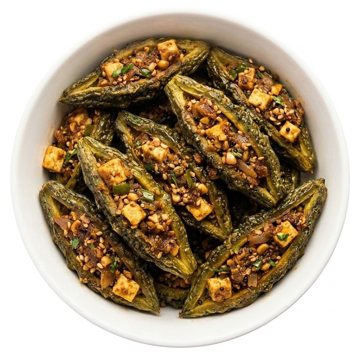
- Same: Bharwan Karele shares tamarind, jaggery, peanuts, sesame, onion, ginger, garlic, cumin, fenugreek and turmeric with this dish, and both are stuffed vegetable dishes with a tangy nutty element.
- Different: Bharwan Karele uses bitter gourd, paneer, mustard seeds and garam masala and is slow-baked, while this dish uses green chillies in a curry with poppy seeds, coconut, curry leaves and much more vegetable oil; it uses vegetable oil or ghee as the fat.