
Lamb Galouti Kebab with Chutney & Burnt Onion Raita
Lamb galouti kebab is a soft, smooth minced-lamb patty wrapped in caul fat and pan-fried. It is aromatic and rich, served with mint chutney, pickled shallots and burnt onion raita.
Kebab masala
47 gAdded to the lamb mixture (step 3)Everything else

Method
- For the pickled shallots, steep 800 g shallot rings in 199 g pickling liquor at room temperature for 1–2 hours, then refrigerate.
- In a bowl, combine 500 g lamb, 100 g coriander leaves, 24 g green chilli, 30 g green papaya paste, 32.4 g cashew nut butter, 150 g onion paste, 30 g kewra water, 29.4 g rose water, 0.3 g caster sugar and 5.5 g sea salt.
- Add the kebab masala (23.4 g kashmiri chilli powder, 23.4 g garam masala and 0.3 g saffron soaked in warm water) and knead until evenly mixed.
- Blend the lamb mixture until completely smooth.
- Chill the mixture until firm enough to shape.
- Divide into 8 balls and flatten each into a patty.
- Wrap each patty in 200 g caul fat.
- Heat 27 g vegetable oil in a heavy frying pan over medium heat.
- Fry the kebabs for 3–4 minutes per side until browned and cooked through.
- Rest the kebabs for 2 minutes.
- Garnish with 1 g mint and serve with 200 g coriander and mint chutney, the pickled shallots and burnt onion raita to taste.
Don't have something?


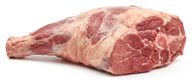 Leg of lamb
Use the same weight; cook as directed, allowing extra time if bone-in.
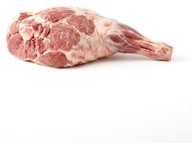 Lamb hind leg
Use the same weight; practically the same cut, so follow the recipe timings.
 Lamb shoulder
Use the same weight; fattier and softer, so skim fat and cook 10–15 minutes longer.


 Dried kashmiri chilli
Grind deseeded dried pods to an equal weight of powder; gives identical vivid red colour and gentle warmth.
 Red chilli powder
Use 25% of the weight mixed with sweet paprika for colour; straight red chilli powder is substantially hotter and will make the dish fiery.
 Chilli powder
Use one-third of the weight; the sauce will be less intensely red and notably sharper in heat.


 Coriander (cilantro) or basil
Use the same weight, choosing the coriander element if available. If only basil is available, expect a sweeter, more aniseed flavour.
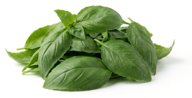 Basil leaves
Use the same weight. Basil is sweeter and more aromatic in a different way; add near the end so it keeps its perfume.
 Coriander paste
Use 1.5 times the weight and reduce other liquid slightly; it is less fresh and more concentrated, so taste before adding more.


- Chilli powder
Use 10 to 15% of the weight (about 1/4 teaspoon per chilli); imparts dry pungent heat and reddens the dish without the grassy crunch.
 Dried red chilli
Use 1 dried pod per fresh green chilli; snap in half and temper in hot oil for a deeper, toastier heat.


 Ground cumin
Use 50% of the weight mixed with equal parts ground coriander and a pinch of ground cinnamon, ground cloves, and ground green cardamom. Sprinkle near the end for a warming finish.
 Lentil stew spice mix
Use 75% of the weight. Simmer briefly in the gravy; imparts roasted warmth and complexity, though it adds a slight tang and earthy lentil undertone.


 Raw papaya paste
Use the same weight; it is effectively the same ingredient and works well as a tenderiser or thickener.
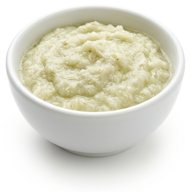 Unripe papaya paste
Use the same weight; blend peeled, deseeded firm papaya to a smooth paste.
 Raw papaya
Blend an equal weight of peeled, deseeded raw papaya to a paste; add a little water only if needed.


 Almond paste
Use the same weight; loosen with 1–2 tbsp water if thick. It is slightly grainier and less sweet, so the gravy will be a little less rich.
 Ground almonds
Use the same weight; blend with about 2 tbsp water per 25 g to make a paste. It thickens well but gives a coarser, less silky gravy.
 Peanut paste
Use 80% of the weight and thin with water. It has a stronger roasted flavour, so use in dishes where that is welcome.





 Rosewater
Use 75-100% of the weight, added off the heat. Floral but rose-scented, not screwpine.
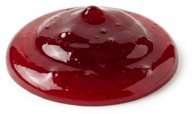 Rose syrup
Use 50-60% of the weight and reduce sugar by about the same amount. Sweet and pink-rose flavoured.
 Saffron thread
Steep 2-3 threads in 10 ml warm milk for every 10 g kewra water. Different, richer aroma.


 Screwpine water or rosewater
If using kewra water, use 50% of the volume specified; it is intensely floral and pungent, so add drop by drop to avoid overpowering.
 Ground green cardamom
Use 0.5 g ground spice for every 5 ml rosewater. Adds warm, perfumed top notes, shifting the aroma from floral to sweet spice.
 Dried rose petals
Steep 1 g dried petals in 15 ml hot milk or water for 10 minutes, strain, and stir in for a subtle, natural floral note.


 Ground turmeric
Use 15% of the saffron's weight. Replicates the bright yellow colour well, but lacks the floral, earthy depth; use sparingly to avoid bitterness.
- Screwpine water or rosewater
Use a few drops combined with a tiny pinch of ground turmeric to mimic both the regal floral aroma and the golden hue.


 Granulated sugar
Use the same weight. It is slightly coarser, so stir a little longer to dissolve; in baking, grind briefly if a fine texture matters.
 Demerara sugar
Use the same weight, but dissolve it earlier as it is coarser. It adds a light caramel note and a little colour.
 Ground jaggery or soft brown sugar
Use the same weight; crush or grate jaggery first. It darkens the dish and adds molasses flavour, so reduce other liquid slightly.


 Lardo
Use thin sheets at about the same weight to wrap the filling. It is salty and cured, so reduce added salt; it melts similarly but adds a porky cured note.
 Pork with fat
Cut very thin sheets and use at the same weight to wrap. It is not lacy and will not hold as neatly; tie or skewer and expect a coarser result.
 Butter or ghee
Brush 10–15 g melted butter or ghee over the filling instead of wrapping. It keeps things moist but gives no caul-fat casing or rendering effect.


 Peanut oil
Use 1:1 by weight. Handles high-heat frying identically and introduces a very subtle, pleasant nuttiness.
 Ghee
Use 1:1 by weight. Yields a much richer, authentic aroma and a glossy, heavier mouthfeel.
 Mustard oil
Use 1:1 by weight. Heat until smoking, then cool slightly before cooking to temper its intensely pungent, sharp mustard kick.


 Dried mint
Use about 30% of the weight of fresh mint. Rub between your palms to crush before stirring in; the flavour will be more intensely herbal and less bright.
 Coriander leaf
Use equal weight, finely chopped. Adds fresh citrusy green notes, but lacks the cooling menthol lift.


 Mint chutney
Use the same weight; more minty and less coriander.
 Tamarind and coriander chutney
Use the same weight; more sour, so adjust salt.
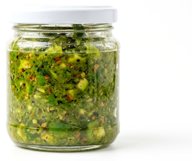 Raw green mango chutney
Use the same weight; sharper and sourer.


 Plain yoghurt
Use the same weight; stir in a little fried onion and a pinch of chaat masala if you have them. It is fresher and lacks the burnt-onion smokiness.
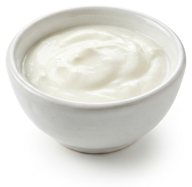 Full-fat yoghurt
Use the same weight; thicker and richer, so loosen with a spoon of water. Same dairy base but no burnt onion.
 Mint raita
Use the same weight; it gives a cool mint flavour instead of smoky onion, so adjust salt and chilli.






 White vinegar
Use 70% of the weight, make up the rest with water, and add a little granulated sugar if the liquor was sweet. Sharper and thinner.
 White wine vinegar
Use at 70% of the weight with water. Milder and fruitier than pickling liquor.
 Malt vinegar
Use at 60% of the weight with water; stronger and maltier, so reduce any other vinegar in the dish.


Similar dishes

- Same: Gosht ki Khurchan shares lamb, Kashmiri chilli powder, garam masala, green chilli, onion and vegetable oil with this dish.
- Different: Gosht ki Khurchan uses yogurt as its souring agent and pasanda strips that are stir-fried and mashed, while this dish uses minced lamb with cashew nut butter, green papaya paste, kewra water, rose water, saffron and caul fat and is served with chutney and burnt onion raita.
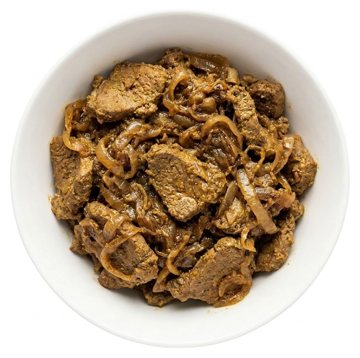
- Same: Tash Kebab shares lamb, garam masala, chilli powder, saffron and onion with this dish.
- Different: Tash Kebab uses yogurt and lime as its souring agent and ghee as its fat, with ginger and garlic, and is steam-cooked between onion layers, while this dish uses green papaya and cashew nut butter, wraps minced lamb in caul fat, pan-fries it, and serves it with mint chutney, pickled shallots and burnt onion raita.

- Same: Seekh Gilafi shares with this dish ground lamb seasoned with Kashmiri chilli powder, garam masala, green chilli, onion and coriander.
- Different: Seekh Gilafi is moulded onto skewers, coated with diced tomato, bell pepper and spring onion, and grilled with lemon juice and butter, while this dish is a caul-fat-wrapped pan-fried patty with green papaya paste, cashew nut butter, kewra water, rose water, saffron, chutney and burnt onion raita.

- Same: Shorba Marag shares lamb, green chilli, coriander and onion with this dish.
- Different: It is a thin lamb broth cooked with ghee, black pepper, mint and lime juice, not a minced-lamb patty wrapped in caul fat and pan-fried; it lacks kashmiri chilli, garam masala, green papaya, cashew butter, kewra, rose water, saffron, sugar, pickled shallots and raita.