Indian cooking
Indian cooking / Dishes / Seekh Gilafi
Seekh Gilafi (Vegetable-coated Skewers)

Seekh Gilafi

Vegetable-coated Skewers
Non-vegetarian●●●Origin AwadhPrep 45 minutesCook 7–10 minutes

Spiced ground lamb kebabs moulded onto skewers and encrusted in a colourful blanket of diced vegetables before grilling.

Kebab spices

16 gMixed into the meat mixture in step 2
Keep ready to season the ground meat.

Everything else

02
40 g4 tablespoons
vegetable
03
36 g6 tablespoons
vegetable
04
46 g4 tablespoons
vegetable
05
42 g4 tablespoons
vegetable
06
20 g2 tablespoons
vegetable
07
3 g3 tablespoons
herb
08
31 g2 tablespoons
souring agent
09
Butter · Makhanmelted, for basting
28 g2 tablespoons
dairy
10
to taste
salt

Method

  1. Set up a charcoal grill or tandoor for moderate heat, or heat an oven grill (broiler) to medium.
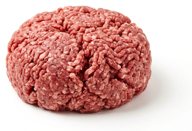
  2. Place 600 g ground lamb in a large mixing bowl with 1 tbsp ginger paste (Pisi Adrak), 1 tbsp garlic paste (Pisi Lehsun), 19.8 g green chilli, 3 g coriander leaf, 2 tbsp Garam Masala (I), 30.6 g lemon juice, 0.3 g seasoning, salt to taste, and the kebab spices. Add 2 tablespoons each of the 4 tbsp onion, 6 tbsp spring onion, 4 tbsp tomato, and 4 tbsp diced pepper, keeping the remainder of the vegetables aside. Work the meat thoroughly with damp hands until well combined.
  3. Divide the meat into 16 equal portions and shape each into a ball. Thread and press the balls along metal skewers, flattening each portion into a 10 cm (4-inch) sausage shape while leaving 2.5 cm (1 inch) of space between kebabs. Press the reserved chopped onion, spring onion, tomato, and pepper firmly across the outside of each skewer to form an even vegetable crust.
  4. Grill the skewers over moderate coals, in the tandoor, or under the oven grill for 5 to 6 minutes. Take them off the heat and suspend vertically over a tray for 2 to 3 minutes so excess juices drain off.
  5. Transfer the skewers to a tray, baste all over with 28.2 g butter, and grill for an additional 2 to 3 minutes until cooked through and lightly charred.

Don't have something?

Ground lamb
  • Chicken

    Use minced chicken (preferably dark thigh meat) at 100% of the weight. Halve the browning and simmering time; add an extra tablespoon of ghee or oil as chicken is much leaner than lamb.

  • Pork

    Use ground pork at 100% of the weight. Cook for similar times as lamb; produces a sweeter, milder gravy without the robust gamey flavour.

Ginger paste
  • Fresh ginger

    Use equal weight; peel and grate very finely on a microplane or pound to a fine paste in a mortar.

  • Ginger

    Use equal weight; mince finely and crush with the flat of a knife before frying.

  • Ground ginger

    Use 20% of the weight; add directly with the dry spice powders, though it yields an earthier, less pungent profile.

Garlic paste
  • Garlic

    Use equal weight; crush or finely grate to a smooth pulp to replicate the same fresh, pungent moisture in your base gravy.

  • Garlic powder

    Use 20 to 25% of the weight; mix with a teaspoon of water before adding to oil so it does not burn, noting it lacks the fresh bite.

Onion
  • Shallot

    Use equal weight, finely sliced. Shallots soften and brown faster, giving a slightly sweeter and more delicate base to curries.

  • Cabbage

    Use 80% of the weight, finely shredded and browned slowly with a pinch of asafoetida. Replicates the bulk and natural sweetness in gravies without allium.

Spring onion
  • Spring onion green

    Use the same weight; use only the green parts, so the dish loses some of the white onion base.

  • Onion

    Use 60% of the weight, finely sliced; stronger and sharper, so cook it down more.

  • Chive

    Use the same weight; milder and best added late or as a garnish, not as a cooked base.

Tomato
  • Tomato purée

    Use 40% to 50% of the fresh tomato weight mixed with a splash of water. Imparts a deeper red colour, thicker sauce, and slightly sweeter cooked flavour.

  • Plain yogurt

    Use 60% of the weight, whisked smooth and added on low heat. Provides rich body and sourness, though the gravy becomes paler and creamier.

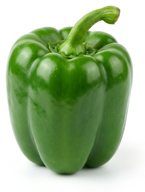
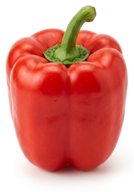
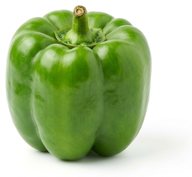
Bell pepper
  • Red bell pepper

    Use the same weight; sweet and bright. Cook for the same time.

  • Green bell pepper

    Use the same weight; sharper and slightly bitter, so it needs 2–3 minutes more cooking.

  • Yellow bell pepper

    Use the same weight; sweeter and softer, with the same cooking time.

Green chilli
  • Chilli powder

    Use 10 to 15% of the weight (about 1/4 teaspoon per chilli); imparts dry pungent heat and reddens the dish without the grassy crunch.

  • Dried red chilli

    Use 1 dried pod per fresh green chilli; snap in half and temper in hot oil for a deeper, toastier heat.

Coriander leaf
  • Coriander

    Use equal weight finely chopped; this is the exact same fresh herb.

  • Mint

    Use half the weight finely chopped; provides vibrant green freshness, though the flavour profile becomes noticeably cooler and sharper.

Kashmiri chilli powder
  • Dried kashmiri chilli

    Grind deseeded dried pods to an equal weight of powder; gives identical vivid red colour and gentle warmth.

  • Red chilli powder

    Use 25% of the weight mixed with sweet paprika for colour; straight red chilli powder is substantially hotter and will make the dish fiery.

  • Chilli powder

    Use one-third of the weight; the sauce will be less intensely red and notably sharper in heat.

Ground allspice
  • Ground cinnamon (cassia)

    Use about 70% of the weight and add a pinch of ground clove (about 20% of the allspice weight); the result is more cinnamon-forward.

  • Ground clove

    Use only about 20% of the weight; it is much stronger and can dominate the dish.

  • Ground nutmeg

    Use about 50% of the weight; it gives warmth but lacks allspice's peppery edge.

Garam masala
  • Ground cumin

    Use 50% of the weight mixed with equal parts ground coriander and a pinch of ground cinnamon, ground cloves, and ground green cardamom. Sprinkle near the end for a warming finish.


  • Lentil stew spice mix

    Use 75% of the weight. Simmer briefly in the gravy; imparts roasted warmth and complexity, though it adds a slight tang and earthy lentil undertone.

Lemon juice
  • Lime juice

    Use equal volume or weight; delivers almost identical sharp acidity with a faintly more aromatic, bitter-edged profile.

  • Dried mango powder

    Use 25% of the weight (about 1 g amchoor for 4 g juice); provides clean fruity tartness without thinning the sauce.

  • White vinegar

    Use 75% of the volume; gives direct sourness without any citrus floral fragrance.

Butter
  • Unsalted butter

    Use 100% of the weight. If the original recipe relies on salted table butter, add a pinch of salt to balance.

  • Ghee

    Use 80% to 85% of the weight. Ghee is pure butterfat with moisture removed; it yields a deeper, nuttier flavour and handles high heat better.

  • Vegetable oil

    Use 80% of the weight for frying or tempering. The dish loses sweet dairy richness but remains glossy and light.

Similar dishes

Bhuna Keema
Roasted Minced (Ground) Lamb
Bhuna Keema tastes more pungent and deeply roasted from heavily browned onions and mint, with sharper green chilli heat rather than the warm garam masala spice and smoky notes of this dish.
  • Same: Bhuna Keema also uses ground lamb seasoned with ginger, garlic, onion, green chillies, coriander leaf, and lemon juice.
  • Different: Unlike this butter-basted skewer kebab made with garam masala and tomato, Bhuna Keema is a stovetop dry-fried curry cooked in vegetable oil with turmeric and fresh mint.
Gosht ki Khurchan
Mashed Pasanda
It tastes like a dry, savoury mashed lamb curry with cumin and fresh ginger-chilli heat, while this dish is a buttery, lemon-tanged grilled kebab with a vegetable crust.
  • Same: It shares onion, ginger paste, garlic paste, green chilli, kashmiri chilli powder, garam masala and salt with this dish.
  • Different: It uses pasanda strips, yogurt, ground cumin, dried red chilli and vegetable oil and is stir-fried and mashed, while this dish uses ground lamb, spring onion, tomato, bell pepper, lemon juice and butter and is moulded onto skewers and grilled.
Patthar Kebab
Kebab Cooked on a Stone
Patthar Kebab tastes more directly smoky and peppery from stone searing, while this dish is a softer ground-lamb kebab with a vegetable crust and garam masala, Kashmiri chilli, and butter richness.
  • Same: Patthar Kebab shares lamb, green chilli, ginger paste, garlic paste, allspice, salt, and lemon with this dish.
  • Different: Patthar Kebab uses boneless lamb steaks, black pepper, green papaya paste, vegetable oil, onion, and mint, and it lacks this dish's ground lamb, spring onion, tomato, bell pepper, coriander leaf, Kashmiri chilli powder, garam masala, and butter; it is seared on a hot stone rather than moulded on skewers and coated with diced vegetables before grilling.
Tatti Gosht
'Bamboo Curtain' Kebab
Tatti Gosht tastes sharply hot from green chilli and bright from lemon and raw onion, while this dish tastes like spiced ground lamb with garam masala and Kashmiri chilli and a buttery vegetable crust.
  • Same: Tatti Gosht shares lamb, ginger paste, garlic paste, green chilli, onion, lemon juice, salt, and grilling with this dish.
  • Different: Tatti Gosht uses whole boneless lamb fillets marinated with green chilli, raw papaya paste, black pepper, coriander, and vegetable oil, while this dish uses ground lamb with spring onion, tomato, bell pepper, Kashmiri chilli powder, allspice, garam masala, and butter and is coated in diced vegetables.