
Patrani Machli
Fish fillets are coated in a vibrant, spiced coconut and green chilli paste, wrapped neatly in banana leaf parcels, and gently steamed. The result is delicate, succulent fish infused with fragrant, tangy, and herbal aromas.
Spice paste masala
4.2 gBlended into the herb and coconut paste (step 1)Everything else

Method
- Combine 400 g coconut, 36 g green chilli, 4 tbsp fresh herbs, 18 g garlic, 8.4 g granulated sugar, the spice paste masala, and salt to taste in a food processor or blender. Blend until smooth, adding a splash of water if needed, then stir in 30.6 g lemon juice.
- Place 800 g fish fillets in a wide dish and coat each piece evenly with the paste.
- Soften 4 banana leaves (or use aluminium foil) and cut them into 16 broad strips. Lay the strips out in pairs as 8 crosses.
- Position a fish fillet in the centre of each cross, fold the ends over to create secure parcels, and tie them shut with kitchen twine.
- Transfer the wrapped parcels to a steamer basket set over a pot of boiling water, cover with a cloth and lid, and steam for about 10 minutes until the fish is tender and thoroughly cooked.
Don't have something?
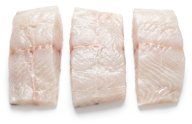
 Firm white fish
Use the same weight, clean and cut into fillet-sized pieces. Cooking time is the same; remove any bones.
 Firm fish fillet
Use the same weight. Check thickness; thick pieces may need 2–3 minutes more simmering.
 Skinless firm white fish fillet
Use the same weight. Skinless flakes more; handle gently and add late.


 Green cabbage
Blanch large outer leaves for 30 seconds and use as a parcel; use the same size to wrap. No banana aroma.
 Collard greens
Blanch whole leaves for 1 minute and use as a wrap; slightly tougher and more peppery.


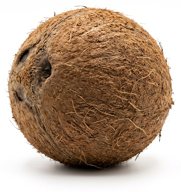
 Fresh coconut
Use equal weight freshly grated or diced. Delivers the identical sweet, milky taste and juicy texture.
 Desiccated coconut
Use 60% of the weight and soak in hot water or milk for 15 minutes before using. The finished dish will be slightly sweeter and less fibrous.
 Dried coconut
Finely grate and use 50% of the weight, soaked in hot water for 20 minutes. Yields a firmer chew and a denser, oilier coconut aroma.


 Chilli powder
Use 10 to 15% of the weight (about 1/4 teaspoon per chilli); imparts dry pungent heat and reddens the dish without the grassy crunch.
 Dried red chilli
Use 1 dried pod per fresh green chilli; snap in half and temper in hot oil for a deeper, toastier heat.


 Coriander leaf
Use equal weight, chopped fresh and stirred in off the heat or used as garnish. Matches the citrus-herbal profile identically.
 Mint
Use 40% to 50% of the weight; chop finely and add at the very end. Adds fresh herbal brightness, but shifts the aroma toward cool menthol.


 Ground cumin
Use 70% of the weight; add with ground spices or sauce bases rather than hot oil tempering, where it scorches quickly and turns bitter.
 Black cumin seeds
Use equal weight for oil tempering. Delivers an earthy profile with an additional musky, smoky, and slightly bitter edge.
 Fennel seed
Use 60% of the weight for tempering; offers comparable warm aroma, but leans sweet and liquorice-like rather than savoury and earthy.


 Jaggery
Use equal weight; grate or shave finely so it dissolves rapidly, giving a warm, caramel-like sweetness and slightly darker sauce.


 Garlic paste
Use equal weight. Fry gently in oil or ghee with the ginger; incorporates smoothly into curries without visible minced bits.
 Garlic powder
Use 15% to 20% of the weight (about 1 g for every 5 to 6 g fresh cloves). Whisk into sauces; gives a savoury, toasted garlic flavour without raw pungency.
 Shallot
Use 1.5 times the weight, very finely minced. Sauté until golden; provides savoury allium sweetness, though it lacks garlic's pungent sulphur bite.


 Lime juice
Use equal volume or weight; delivers almost identical sharp acidity with a faintly more aromatic, bitter-edged profile.
 Dried mango powder
Use 25% of the weight (about 1 g amchoor for 4 g juice); provides clean fruity tartness without thinning the sauce.
 White vinegar
Use 75% of the volume; gives direct sourness without any citrus floral fragrance.


Similar dishes
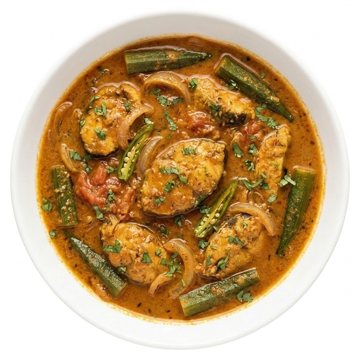
- Same: Both dishes feature fish paired with coconut, green chillies, garlic, cumin seeds, and lemon juice.
- Different: Goan Fish Curry (I) is simmered in vegetable oil with onions, tomatoes, tamarind, coriander seeds, turmeric, and dried red chillies, whereas this dish uses far more coconut, adds sugar, and is steamed inside banana leaves.
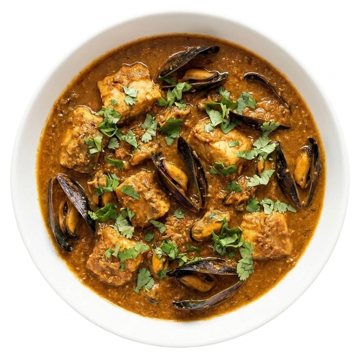
- Same: Goan Fish Curry shares fish, coconut, cumin, coriander, garlic and sugar with this dish.
- Different: Goan Fish Curry adds mussels, tamarind paste, turmeric, fenugreek, fennel, coriander seeds, ginger garlic paste, fish stock, white wine and vegetable oil, and it is simmered as a curry rather than wrapped in banana leaf and steamed.

- Same: Maharashtrian Fish Kalwan shares firm white fish, coconut, green chilli, cumin, garlic, coriander and salt with this dish, and both use a coconut-based spice paste.
- Different: Maharashtrian Fish Kalwan is a simmered curry with vegetable oil, coconut milk, ginger, curry leaves, turmeric, Kashmiri chilli powder, tamarind paste and malt vinegar, while this dish is steamed in banana leaf with lemon juice and sugar and has no added oil, coconut milk, tamarind or curry leaves.

- Same: Goan Fish Caldine shares fish, coconut, green chilli, cumin, coriander, garlic, and a little sugar with this dish.
- Different: Goan Fish Caldine is a simmered curry with coconut milk, tamarind paste, Goan vinegar, onion, tomato, ginger, turmeric, vegetable oil, peppercorn, and coriander seeds, while this dish uses grated coconut, lemon juice, and banana-leaf steaming.