Indian cooking
Indian cooking / Dishes / Dhansaak
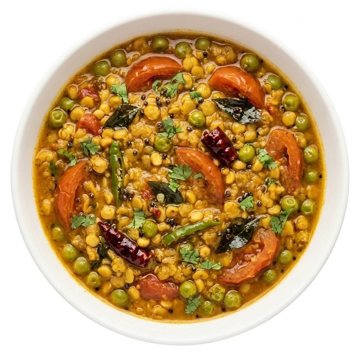
Dhansaak (Lentil & Vegetable Stew)

Dhansaak

Lentil & Vegetable Stew
VegetarianPrep about 1¼ hoursCook 45 minutes

A deeply savoury, complex Parsi stew featuring mixed lentils, aubergine, and sweetcorn simmered with warming spices. Fresh herbs, aromatic garlic, and ginger bring brightness to the rich, slow-cooked vegetable base.

Dhansaak spice blend

16 gGround in a spice grinder before cooking (step 1)
01
1.3 g1 piece
spice
02
5 g1 tablespoon
spice
03
3.2 g1½ teaspoons
spice
04
2 g1 teaspoon
spice
05
3.3 g1 teaspoon
spice
06
0.9 g¼ teaspoon
spice
Mill to a fine powder together with the other spice blend ingredients.

Herb paste chillies

3 gBlended into the fresh herb purée (step 2)
Purée with the fresh aromatics and water into a smooth paste.

Tempering cumin

2.1 gSizzled in the hot oil (step 3)
01
2.1 g1 teaspoon
spice
Keep whole: fry in the hot oil to start the stew base.

Everything else

02
25 g
herb
03
Fresh ginger · Adrakpeeled and roughly chopped
30 g1 piece
aromatic
04
Jalapeño chilli · Jalapeño Mirchde-seeded and roughly chopped
15 g1 o
vegetable
05
Garlic · Lehsunroughly chopped
18 g6 cloves
aromatic
06
Extra virgin olive oilplus 3 tablespoons
55 g60 ml
oil/fat
07
Red onion · Pyazfinely diced, plus 1 red onion, chopped
300 g2 onions
vegetable
08
Salt · Namakplus 2 teaspoons
17 g1 tablespoon
salt
09
Lentil · Dala combination of brown, green, red and yellow
450 g
legume
10
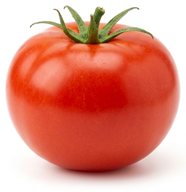
540 g3 tomatoes
vegetable
11
Aubergine · Baingancut into 2.5-cm / 1-inch chunks
600 g
vegetable
12
350 g
vegetable

Method

  1. Mill the Dhansaak spice blend along with the remaining blend spices in a spice grinder until reduced to a fine powder, then set aside.
  2. Place the herb paste chillies, 45 g coriander, 25 g mint, 1 chopped piece of ginger, 1 deseeded green chilli, 18 g garlic, and 60 ml water into a blender and process until completely smooth.
  3. Position 225 ml water within reach of the stove. Warm 60 g olive oil in a deep pot over medium-high heat, toss in the tempering cumin, and fry for 2 minutes until aromatic and nicely browned.
  4. Stir in 2 finely diced onions and 17.4 g salt, cooking for 12 to 15 minutes until rich and dark brown; deglaze the pot base with small splashes of the prepared water whenever the onions begin to stick. Tip in any remaining water from the jug and let it bubble away completely, about 3 minutes.
  5. Lower the heat to medium, stir in 450 g lentils and 3 tablespoons of the prepared spice blend, and cook for 2 minutes. Pour in 2 litres of water, bring to a rolling boil, then cover, turn the heat down to medium-low, and simmer gently for 30 minutes, stirring occasionally.
  6. In a separate pan over medium-high heat, warm 3 tablespoons of olive oil for 30 seconds, then fry the herb paste for 2 minutes, stirring continuously.
  7. Uncover the lentils and fold in the sautéed herb paste, 3 chopped tomatoes, 600 g aubergine, 350 g sweetcorn, and 1 chopped red onion. Bring the mixture to a boil, stir through the rest of the spice blend, then cover and simmer over medium-low heat for roughly 45 minutes until the aubergine is thoroughly tender, stirring every 10 minutes. Check the seasoning before serving.

Don't have something?

Cassia bark
  • Ceylon cinnamon

    True cinnamon: thinner, papery quills, milder and sweeter. Use about 1.5 times the weight, and taste.

  • Ground cinnamon (cassia)

    Use about a third of the weight (0.5 g ground for a 2.5 cm piece), stirred in with the ground spices rather than fried whole, since the powder burns quickly.

  • Cassia buds

    Use 60-70% of the weight; stronger and more peppery, so taste before adding more.

Green cardamom pod
  • Green cardamom seed

    Use 35 to 40% of the total pod weight; lightly bruise the seeds before frying in oil to release their essential oils.

  • Ground green cardamom

    Use 20 to 25% of the pod weight (about 1 generous pinch per pod); stir in toward the end of cooking so the delicate floral notes do not dissipate.

  • White cardamom pod

    Use 1:1 by pod count or weight; crack gently before using, though it is slightly less intensely floral.

Coriander seeds
  • Ground coriander

    Use 75% of the weight; stir in along with wet masala or tomato purée rather than frying in hot oil, as the fine powder burns instantly.

  • Cumin seed

    Use 50% of the weight for tempering in hot oil. Lacks the floral, sweet citrus flavour of coriander, introducing warm, pungent earthiness instead.

  • Fennel seed

    Use 50% of the weight in tempering; provides pleasant aromatic sweetness, though noticeably aniseedy rather than citrusy.

Cumin seed
  • Ground cumin

    Use 70% of the weight; add with ground spices or sauce bases rather than hot oil tempering, where it scorches quickly and turns bitter.

  • Black cumin seeds

    Use equal weight for oil tempering. Delivers an earthy profile with an additional musky, smoky, and slightly bitter edge.

  • Fennel seed

    Use 60% of the weight for tempering; offers comparable warm aroma, but leans sweet and liquorice-like rather than savoury and earthy.

Fennel seed
  • Aniseed

    Use 75% of the weight. Fry in hot oil or ghee; has a sharper, more pronounced liquorice flavour, so use a lighter hand.

  • Ground fennel seed

    Use 60% of the weight. Stir into the sauce with ground masalas; provides identical sweet aniseed flavour without whole seed crunch.

  • Star anise

    Use one point (single carpel) per 1 g of fennel seeds. Simmer in gravies and remove before serving; gives a deeper, woodier liquorice aroma.

Mustard seed
  • Black mustard seed

    Use the same weight. The seeds are smaller and hotter; fry in hot oil until they pop, about 20–30 seconds, and reduce the heat if they darken too fast. The dish will be a little sharper.

  • Yellow mustard seeds

    Use the same weight. They are milder and larger; fry a few seconds longer until they pop. The finished dish will have less pungency.

  • Ground mustard seed

    Use 70% of the weight of whole seed, added with the other ground spices rather than fried whole. You lose the popping texture and the heat comes through more evenly.

Ground turmeric
  • Ground ginger

    Use 50% of the weight. Mimics turmeric's warm, earthy, rhizome background, but provides none of the golden-yellow colour.

  • Saffron

    Steep a tiny pinch (0.1 g per 2 g turmeric) in 2 tbsp warm water; use to match the rich golden hue. Contributes an aristocratic, honeyed floral flavour rather than earthy bitterness.

Black peppercorn
  • Coarsely ground black pepper

    Use 75% of the weight. Add midway through simmering; spreads heat evenly through the dish instead of delivering isolated bursts.

  • Ground black pepper

    Use 50% of the weight. Stir in near the end of cooking; significantly darkens light gravies and provides an immediate, sharp bite.

Fenugreek seed
  • Mustard seed

    Use 50% of the weight, crush or grind. Sharper heat and less maple-bitter; fry briefly in oil before adding.

  • Caraway seeds

    Use the same weight, crush lightly. Similar bitter-seed note but more aniseed; reduce other sweet spices slightly.

  • Ajwain seeds

    Use 25–30% of the weight, crush. Much stronger thyme-like flavour; do not overdo.

Clove
  • Ground cloves

    Use 1 g ground for 4 g whole (or 1 small pinch per 2 to 3 whole cloves). Add with spice powders; disperses intense warmth quickly, so use with restraint.

  • Allspice berries

    Use 100% of the weight whole in tempering. Imparts a warm, clove-like aromatic profile combined with hints of nutmeg and cinnamon.

  • Black cardamom pod

    Use 1 pod for 3 to 4 cloves in whole tempering. Shares a camphor-like warmth and medicinal depth, though it introduces a distinct smoky undertone.

Coriander
  • Coriander leaf

    Use equal weight, chopped fresh and stirred in off the heat or used as garnish. Matches the citrus-herbal profile identically.

  • Mint

    Use 40% to 50% of the weight; chop finely and add at the very end. Adds fresh herbal brightness, but shifts the aroma toward cool menthol.

Mint
  • Dried mint

    Use about 30% of the weight of fresh mint. Rub between your palms to crush before stirring in; the flavour will be more intensely herbal and less bright.

  • Coriander leaf

    Use equal weight, finely chopped. Adds fresh citrusy green notes, but lacks the cooling menthol lift.

Fresh ginger
  • Ginger paste

    Use equal weight. Sauté in hot fat until the raw allium smell disappears; slightly wetter, but provides identical warmth and pungency.

  • Ground ginger

    Use 20% to 25% of the weight (1 g for every 4 to 5 g fresh). Stir into the gravy; adds peppery heat and warmth, though it misses the crisp, zesty kick of raw root.

Jalapeño chilli
  • Green chilli

    Use 40-50% of the weight, deseed for less heat. It is hotter and less fruity, so add gradually.

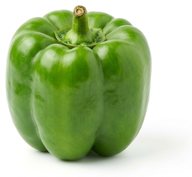
  • Green bell pepper

    Use the same weight for bulk, plus 5-10 g green chilli per 100 g for heat. Milder and more watery.

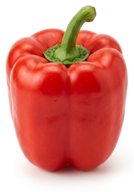
  • Red bell pepper

    Use the same weight with a pinch of cayenne pepper or green chilli. Sweeter and less grassy.

Dried red chilli
  • Dried kashmiri chilli

    Use equal weight whole. Fry in hot oil or ghee as tempered spice; gives a richer red colour with slightly milder heat.

  • Red chilli powder

    Use 50% to 70% of the weight. Stir into the oil with ground spices; distributes heat evenly throughout the dish without whole chilli skins.

Garlic
  • Garlic paste

    Use equal weight. Fry gently in oil or ghee with the ginger; incorporates smoothly into curries without visible minced bits.

  • Garlic powder

    Use 15% to 20% of the weight (about 1 g for every 5 to 6 g fresh cloves). Whisk into sauces; gives a savoury, toasted garlic flavour without raw pungency.

  • Shallot

    Use 1.5 times the weight, very finely minced. Sauté until golden; provides savoury allium sweetness, though it lacks garlic's pungent sulphur bite.

Extra virgin olive oil
  • Vegetable oil

    Use the same weight for cooking; neutral and cheaper, but you lose the fruity olive flavour.

  • Mustard oil

    Use the same weight, but heat it to smoking point and cool slightly first; it adds a pungent Indian mustard note.

  • Ghee

    Use 90% of the weight; richer and nutty, good for Indian cooking but not for cold dressings.

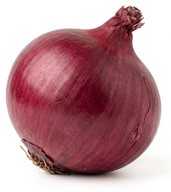
Red onion
  • Onion

    Use the same weight; cook a little longer. Milder and less sweet when raw.

  • Shallot

    Use the same weight; sweeter and softer, so reduce cooking time slightly.

  • Spring onion

    Use only the white parts, weight for weight, for raw or quick-cooked dishes; green parts are too grassy for long cooking.

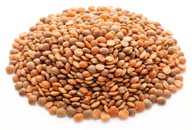
Lentil
  • Red lentils

    Use the same weight; it cooks faster and breaks down more, so reduce simmering by about 5–10 minutes and add water if needed.

  • Split mung beans

    Use the same weight; milder and quicker, soak 30 minutes if time and cook 5 minutes less.

  • Pigeon peas

    Use the same weight; soak 30 minutes and cook 10–15 minutes longer; firmer and earthier.

Large tomato
  • Tomato

    Use the same weight of ordinary tomatoes, chopped. Taste for acidity; add a pinch of sugar if they are very sour.

  • Canned chopped tomatoes

    Use the same weight, draining some juice if the curry should be thick. Simmer 5–10 minutes longer to reduce the extra liquid.

  • Concentrated tomato purée

    Use about 30% of the weight, dilute with water to roughly the original volume and add early. It gives a deeper colour and stronger acidity; adjust salt and sugar.


Aubergine
  • Baby aubergine

    Use the same weight; halve or quarter and cook 2–3 minutes longer. They hold their shape better in the sauce.

  • Small aubergine

    Use the same weight; slice or cube to the recipe's size. Similar flesh, slightly firmer.

  • Round aubergine

    Use the same weight; cube and salt for 10 minutes if the recipe does. It absorbs oil a little more.

Sweetcorn kernel
  • Canned sweetcorn kernel

    Use the same drained weight; rinse and add near the end so it does not overcook.

  • Fresh sweetcorn

    Use the same weight of kernels, boiled for 3–5 minutes before adding; it is crunchier and sweeter.

  • Frozen peas

    Use the same weight as a quick stand-in in mixed vegetable dishes; colour and sweetness differ, so adjust salt and spices.

Similar dishes

Masoor Pappu Charu
Spicy Pepper Water
Masoor Pappu Charu tastes tangy and peppery from tamarind and black pepper with a light sweet note from jaggery, whereas this dish tastes deeper, savoury and slow-cooked with sweetcorn and aubergine.
  • Same: Masoor Pappu Charu shares a lentil base and a spice set of coriander, cumin, turmeric, mustard seed and dried red chilli with this dish.
  • Different: Masoor Pappu Charu uses only masoor dal, tamarind extract and jaggery with a ghee and oil tempering of mustard seed and curry leaf, while this dish adds aubergine, sweetcorn, tomato, garlic, ginger, mint and olive oil and uses cinnamon, cardamom, clove and fennel.
Kholamba
Spicy Pigeon Pea Curry from Mangalore
Kholamba tastes tangier and sharper from tamarind and asafoetida, while this dish tastes deeply savoury and herb-forward with less sourness.
  • Same: Kholamba and this dish are both lentil-based vegetable stews that use turmeric, coriander seed, cumin, fenugreek, black peppercorn and dried red chilli.
  • Different: Kholamba uses toor dal, tamarind extract, cauliflower, carrot, potato and peas with vegetable oil and a mustard-seed tempering, while this dish uses mixed lentils, aubergine, sweetcorn, tomato, olive oil and fresh coriander, mint, ginger and garlic.
The Rasam
Tamil Nadu Piquant Soup
The Rasam is sharp, peppery, tamarind-sour, light, and fiery, while this dish is a thick, deeply savoury, rich slow-cooked stew with sweetcorn and aubergine.
  • Same: The Rasam shares lentils, tomato, garlic, cumin, coriander seeds, black peppercorn, turmeric, mustard seed, and dried red chilli with this dish.
  • Different: The Rasam uses tamarind extract as its souring agent and a small amount of toor dal in a thin vegetable-oil broth, while this dish uses mixed lentils, aubergine, sweetcorn, red onion, mint, jalapeño, olive oil, and a larger whole-spice blend including cinnamon, cardamom, fennel, fenugreek, and clove.
Puragayalu Pulussu
Mixed Vegetable Curry
It tastes noticeably tangier and sharper from the tamarind and asafoetida, contrasting with the warming, garlicky profile of this dish.
  • Same: Puragayalu Pulussu is also a vegetable and legume stew sharing coriander, cumin, mustard seeds, fenugreek, and dried red chillies.
  • Different: It uses tamarind extract, drumstick pulp, curry leaves, and asafoetida tempered in vegetable oil, but lacks this dish's cinnamon, fennel, and garlic.