
Dabeli
Dabeli is a soft-roll potato sandwich filled with a spiced potato mixture, crunchy onion, sev, peanuts and pomegranate, with sweet chilli and tamarind chutneys. It tastes sweet, sour, spicy and crunchy all at once.
Dabeli masala
4.3 gStirred into the fried onion before the potato goes in (step 3)Everything else

Method
- Combine 0.7 g ground cinnamon, 1.1 g ground cumin and 2.5 g Kashmiri chilli powder in a bowl to make the dabeli masala; set aside.
- Warm 27 g vegetable oil in a small frying pan over low heat.
- Add 150 g finely chopped onion and fry for 3–4 minutes until softened.
- Stir in the dabeli masala and 0.5 g ground coriander; cook for a few seconds.
- Add 1200 g boiled, coarsely grated potato and stir for about 2 minutes until evenly mixed.
- Add 0.3 g granulated sugar, the juice of 25 g lemon, 15.3 g desiccated coconut, 4.5 g finely chopped coriander leaves, 40 g pomegranate seeds, 45 g roasted chopped peanuts and salt to taste; stir to combine.
- Take the pan off the heat and transfer the potato mixture to a warmed plate.
- Cut two neighbouring sides of each 400 g soft white roll, leaving the other two sides attached to make a pocket.
- Melt 18.8 g softened butter in the empty potato pan over medium heat, using about 1/2 tsp per roll and working in batches.
- Fry the top and bottom of each roll for 1–2 minutes per side until crisp.
- Open each roll and spread in sticky sweet chilli dipping sauce to taste and a little tamarind chutney to taste.
- Fill with 2 heaped tbsp potato mixture, then 150 g finely chopped red onion, sev to taste and more tamarind chutney to taste.
Don't have something?


 Peanut oil
Use 1:1 by weight. Handles high-heat frying identically and introduces a very subtle, pleasant nuttiness.
 Ghee
Use 1:1 by weight. Yields a much richer, authentic aroma and a glossy, heavier mouthfeel.
 Mustard oil
Use 1:1 by weight. Heat until smoking, then cool slightly before cooking to temper its intensely pungent, sharp mustard kick.






 Eggplant
Use equal weight. Cut into large chunks; cooks down much faster (10-12 minutes) and softens into the sauce rather than staying starchy and firm.
 Paneer
Use 80% of the weight. Cube and add in the last 5-10 minutes of cooking; adds rich dairy protein instead of starchy bulk.
 Dried chickpea
Use 45% dry weight. Soak overnight and boil until fully soft before stirring into the sauce to simmer for 10 minutes.


 Jaggery
Use equal weight; grate or shave finely so it dissolves rapidly, giving a warm, caramel-like sweetness and slightly darker sauce.


 Lime
Use the same weight or juice amount; sharper, so taste before adding all the juice.
 Lemon juice
Use about 45–50 ml for 1 lemon; add off the heat to keep the freshness.
 Dried mango powder
Use 1 tsp for the juice of 1 lemon; add early. Sourness is flatter and less fresh.


 Grated desiccated coconut
Use equal weight directly; it is the identical ingredient under a different label.
 Fresh coconut
Grate finely and use 130% to 140% of the weight to compensate for higher moisture; toast gently in a dry pan over low heat if a dry texture is needed.
 Dried coconut
Grate finely using a microplane and use equal weight. Offers a slightly oilier, toastier coconut profile.


 Coriander (cilantro) or basil
Use the same weight, choosing the coriander element if available. If only basil is available, expect a sweeter, more aniseed flavour.
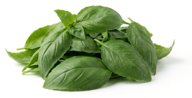 Basil leaves
Use the same weight. Basil is sweeter and more aromatic in a different way; add near the end so it keeps its perfume.
 Coriander paste
Use 1.5 times the weight and reduce other liquid slightly; it is less fresh and more concentrated, so taste before adding more.


 Pomegranate
Use the same weight of seeds from fresh fruit; about one fruit gives 100 g seeds. Deseed carefully.
 Dried pomegranate seeds
Use 20% of the weight, soak and crush; they add sourness, not fresh garnish.
 Green grape
Use the same weight, halved; good for garnish but less crunchy and less sour.


 Roasted peanut
Use the same weight; adjust salt if they are already salted, and crush or grind as the recipe asks.
 Cashew nut
Use the same weight; they are richer and softer, so roast for a shorter time and reduce added fat.
 Almond
Use the same weight; blanch and peel for sauces, or chop for texture. They are firmer and less oily.


 Ceylon cinnamon
True cinnamon: thinner, papery quills, milder and sweeter. Use about 1.5 times the weight, and taste.
 Ground cinnamon (cassia)
Use about a third of the weight (0.5 g ground for a 2.5 cm piece), stirred in with the ground spices rather than fried whole, since the powder burns quickly.
 Cassia buds
Use 60-70% of the weight; stronger and more peppery, so taste before adding more.


 Ground cumin
Use 70% of the weight; add with ground spices or sauce bases rather than hot oil tempering, where it scorches quickly and turns bitter.
 Black cumin seeds
Use equal weight for oil tempering. Delivers an earthy profile with an additional musky, smoky, and slightly bitter edge.
 Fennel seed
Use 60% of the weight for tempering; offers comparable warm aroma, but leans sweet and liquorice-like rather than savoury and earthy.


 Kashmiri chilli powder
Use the same weight; this is the first half of the book's option and gives the best red colour with mild heat.
 Mild paprika
Use the same weight; add a pinch of cayenne pepper for warmth. Slightly less colour.
- Paprika
Use the same weight and add cayenne pepper to taste; works but is less aromatic.


 Coriander leaf
Use equal weight, chopped fresh and stirred in off the heat or used as garnish. Matches the citrus-herbal profile identically.
 Mint
Use 40% to 50% of the weight; chop finely and add at the very end. Adds fresh herbal brightness, but shifts the aroma toward cool menthol.


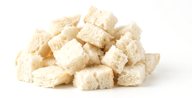 Soft white bread
Use the same weight; shape or split it to stand in for a roll, and trim crusts if a soft crumb is needed.
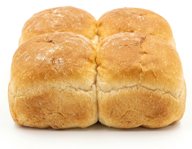 Bread roll
Use the same weight; pav is soft and slightly sweeter, so it browns a little faster.
- White bread
Use the same weight; it is firmer than a roll, so press it slightly if the recipe needs a soft roll texture.


 Unsalted butter
Use 100% of the weight. If the original recipe relies on salted table butter, add a pinch of salt to balance.
- Ghee
Use 80% to 85% of the weight. Ghee is pure butterfat with moisture removed; it yields a deeper, nuttier flavour and handles high heat better.
- Vegetable oil
Use 80% of the weight for frying or tempering. The dish loses sweet dairy richness but remains glossy and light.


 Thick red chilli sauce
Use the same weight and stir in about 10 g honey or sugar per 100 g to make it sticky; it will be less garlicky.
 Chilli garlic sauce
Use the same weight; it is more garlicky and usually thinner, so simmer briefly to thicken.
 Tomato ketchup
Use the same weight, add dried red chilli flakes and a splash of vinegar; it will be more tomato-forward and less hot.


 Tamarind paste
Dilute with water to chutney consistency, then add jaggery or sugar and salt. Use the same weight of paste as chutney, then adjust.
 Tamarind extract
Use the same weight, sweeten with jaggery or sugar and add salt. Slightly more concentrated, so taste as you go.
 Date and tamarind chutney
Use the same weight; sweeter and thicker. Add lime juice or a little tamarind paste if too sweet.


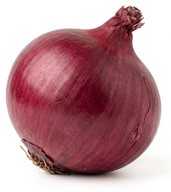
- Onion
Use the same weight; cook a little longer. Milder and less sweet when raw.
 Shallot
Use the same weight; sweeter and softer, so reduce cooking time slightly.
 Spring onion
Use only the white parts, weight for weight, for raw or quick-cooked dishes; green parts are too grassy for long cooking.


 Lentil crisp
Crush or break into small crisp pieces and use the same weight as sev; add at the last moment so it stays crisp. It gives a salty crunch but not sev's fine noodle shape.
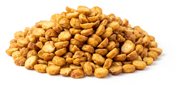 Fried split chickpeas
Crush coarsely and use the same weight; it gives a nutty, crisp legume taste. Add just before serving, as it softens in hot gravy.
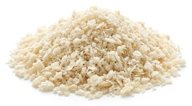 Breadcrumbs
Toast in a little ghee until crisp and use the same weight; substitute only for texture as a garnish, not for sev eaten on its own.

Similar dishes
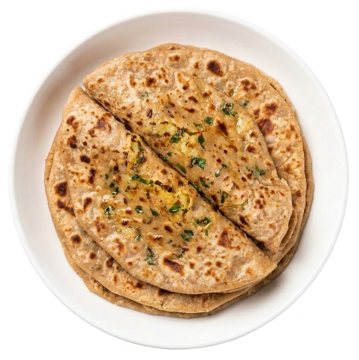
- Same: Aloo Ke Parathe and this dish both center on a spiced mashed potato filling seasoned with cumin seed, Kashmiri chilli powder, coriander leaves, salt, and fat.
- Different: Aloo Ke Parathe is a wholewheat flour flatbread cooked on a griddle with butter, while this dish is a soft white roll sandwich filled with potato, onion, sev, peanuts, pomegranate, coconut, lemon, tamarind chutney, and sweet chilli sauce; it uses amchoor as its souring agent and includes ginger and green bird’s eye chilli, but lacks rolls, tamarind chutney, sweet chilli sauce, coconut, peanuts, pomegranate, sev, lemon, onion, cinnamon, and sugar.

- Same: Bread Pakoda and this dish are both potato-filled sandwiches seasoned with Kashmiri chilli powder, lemon, coriander and salt. Both use vegetable oil and a bread or roll wrapper.
- Different: Bread Pakoda uses white bread slices and a chickpea-flour batter and is deep-fried, while this dish uses soft rolls and a pressed potato filling. It adds peas, asafoetida, mustard seed, curry leaf, green chilli, ginger and turmeric. It lacks this dish's coconut, peanuts, pomegranate, sev, tamarind chutney, sweet chilli sauce and butter. It has no cinnamon or cumin seed.
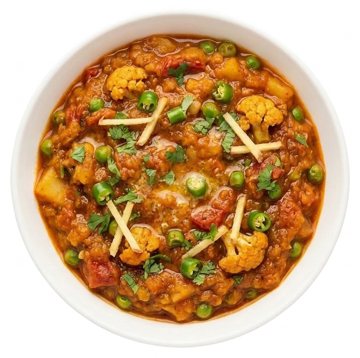
- Same: Pao Bhaji shares with this dish a potato base, soft white bread, onion, chilli powder, coriander and lemon.
- Different: Pao Bhaji simmers mashed potato with tomato, garlic, ginger, green chilli, turmeric and garam masala in ghee or oil and butter, while this dish is a sandwich filling with coconut, peanuts, pomegranate, sev, tamarind chutney and sweet chilli sauce.

- Same: Mumbai Sandwich and this dish are both soft white bread or roll sandwiches built on spiced potato with onion, chilli, cumin, cinnamon, coriander and a sour element.
- Different: Mumbai Sandwich layers raw cucumber and tomato with mint-coriander green chutney, amchoor and cheddar, while this dish uses a mashed potato filling with tamarind chutney, sweet chilli sauce, coconut, peanuts, pomegranate and sev.