Indian cooking
Indian cooking / Dishes / Pao Bhaji
Pao Bhaji (Mini Loaves with Tangy Vegetables)

Pao Bhaji

Mini Loaves with Tangy Vegetables
Vegetarian●●●Origin MaharashtraPrep 25 minutes, plus cooling timeCook 20 minutesMakes 6

A vibrant dish of rich, buttery mashed vegetables simmered with tomatoes, chillies, and aromatic spices. Finished with fresh lemon and coriander, it is served piping hot with golden, pan-toasted bread rolls.

Turmeric

4.5 gStir-fried with the aromatics (step 2)
01
4.5 g1½ teaspoons
spice
Keep ready to add directly to the aromatics.

Chilli powder

2.6 gStirred into the mashed potatoes (step 3)
01
2.6 g1 teaspoon
spice
Keep ready to season the potato mixture.

Garlic paste

10 gStirred into the vegetables (step 4)
Stir together with 125 ml of water until evenly combined.

Garam masala

5 gSprinkled into the bhaji at the finish (step 5)
Keep ready to dust over the finished mash.

Everything else

01
1000 g
vegetable
03
360 g
vegetable
04
160 g
vegetable
05
Green chilli · Hari Mirchde-seeded and chopped
36 g6 chillies
vegetable
06
Ginger · Adrakpeeled and finely chopped
19 g1 piece
aromatic
07
180 g
dairy
08
2 g2 tablespoons
herb
09
46 g3 tablespoons
souring agent
10
600 g12 rolls
other
11
to taste
salt

Method

  1. Boil 1000 g unpeeled potato in a large pan of water for about 20 minutes until tender throughout, then drain and set aside to cool; once cool enough to handle, peel the skins and mash the flesh thoroughly.
  2. Warm 180 g ghee or vegetable oil in a heavy skillet over medium heat, then tip in 360 g chopped tomato, 160 g chopped onion, 36 g chopped green chilli, 19.2 g finely chopped ginger and the turmeric, stir-frying for 4 to 5 minutes.
  3. Turn the heat down to low, incorporate the mashed potatoes, the chilli powder and salt to taste, and cook for roughly 5 minutes, mashing and stirring constantly.
  4. Pour in the garlic paste mixture, raise the heat, add 60 g of the 180 g butter, and mix thoroughly until well blended.
  5. Scatter the garam masala, 2 g chopped coriander leaf and 45.9 g lemon juice over the vegetables, stir thoroughly to combine, and remove from the heat.
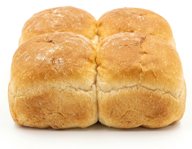
  6. Slice 12 pav (rolls) in half horizontally, melt the remaining 120 g butter in a clean frying pan over medium heat, and toast the halved buns until lightly browned; serve warm alongside the mashed vegetables.

Don't have something?

Potato
  • Eggplant

    Use equal weight. Cut into large chunks; cooks down much faster (10-12 minutes) and softens into the sauce rather than staying starchy and firm.

  • Paneer

    Use 80% of the weight. Cube and add in the last 5-10 minutes of cooking; adds rich dairy protein instead of starchy bulk.

  • Dried chickpea

    Use 45% dry weight. Soak overnight and boil until fully soft before stirring into the sauce to simmer for 10 minutes.

Garlic paste
  • Garlic

    Use equal weight; crush or finely grate to a smooth pulp to replicate the same fresh, pungent moisture in your base gravy.

  • Garlic powder

    Use 20 to 25% of the weight; mix with a teaspoon of water before adding to oil so it does not burn, noting it lacks the fresh bite.

Ghee or vegetable oil
  • Peanut oil

    Use equal weight; handles high tempering heat well and keeps flavours neutral.

  • Butter

    Use equal weight; cook over gentle heat to prevent browning the milk solids too quickly.

Tomato
  • Tomato purée

    Use 40% to 50% of the fresh tomato weight mixed with a splash of water. Imparts a deeper red colour, thicker sauce, and slightly sweeter cooked flavour.

  • Plain yogurt

    Use 60% of the weight, whisked smooth and added on low heat. Provides rich body and sourness, though the gravy becomes paler and creamier.

Onion
  • Shallot

    Use equal weight, finely sliced. Shallots soften and brown faster, giving a slightly sweeter and more delicate base to curries.

  • Cabbage

    Use 80% of the weight, finely shredded and browned slowly with a pinch of asafoetida. Replicates the bulk and natural sweetness in gravies without allium.

Green chilli
  • Chilli powder

    Use 10 to 15% of the weight (about 1/4 teaspoon per chilli); imparts dry pungent heat and reddens the dish without the grassy crunch.

  • Dried red chilli

    Use 1 dried pod per fresh green chilli; snap in half and temper in hot oil for a deeper, toastier heat.

Ginger
  • Fresh ginger

    Use equal weight; scrape off the skin and grate or finely julienne according to the recipe.

  • Ginger paste

    Use equal weight; stir straight into the sizzling aromatics, taking care as the extra moisture may spit.

  • Ground ginger

    Use 15 to 20% of the weight; add alongside ground spices, noting it imparts warm, dry heat rather than zesty freshness.

Ground turmeric
  • Ground ginger

    Use 50% of the weight. Mimics turmeric's warm, earthy, rhizome background, but provides none of the golden-yellow colour.

  • Saffron

    Steep a tiny pinch (0.1 g per 2 g turmeric) in 2 tbsp warm water; use to match the rich golden hue. Contributes an aristocratic, honeyed floral flavour rather than earthy bitterness.

Chilli powder
  • Red chilli powder

    Use 100% of the weight. Provides direct, sharp heat and red colour in equal measure.

  • Kashmiri chilli powder

    Use 150% to 200% of the weight if matching colour, but add a pinch of black pepper or hot chilli if you need equivalent fiery heat.

  • Cayenne pepper

    Use 75% to 100% of the weight. Offers a sharp, clean heat with slightly less earthy depth and less crimson colour.

Butter
  • Unsalted butter

    Use 100% of the weight. If the original recipe relies on salted table butter, add a pinch of salt to balance.

  • Ghee

    Use 80% to 85% of the weight. Ghee is pure butterfat with moisture removed; it yields a deeper, nuttier flavour and handles high heat better.

  • Vegetable oil

    Use 80% of the weight for frying or tempering. The dish loses sweet dairy richness but remains glossy and light.

Garam masala
  • Ground cumin

    Use 50% of the weight mixed with equal parts ground coriander and a pinch of ground cinnamon, ground cloves, and ground green cardamom. Sprinkle near the end for a warming finish.


  • Lentil stew spice mix

    Use 75% of the weight. Simmer briefly in the gravy; imparts roasted warmth and complexity, though it adds a slight tang and earthy lentil undertone.

Coriander leaf
  • Coriander

    Use equal weight finely chopped; this is the exact same fresh herb.

  • Mint

    Use half the weight finely chopped; provides vibrant green freshness, though the flavour profile becomes noticeably cooler and sharper.

Lemon juice
  • Lime juice

    Use equal volume or weight; delivers almost identical sharp acidity with a faintly more aromatic, bitter-edged profile.

  • Dried mango powder

    Use 25% of the weight (about 1 g amchoor for 4 g juice); provides clean fruity tartness without thinning the sauce.

  • White vinegar

    Use 75% of the volume; gives direct sourness without any citrus floral fragrance.

Pav
  • Bread

    Use the same weight; ordinary bread is drier, so toast or butter it lightly before serving.

  • White bread

    Use the same weight; it is softer than pav but tears more easily, so press gently.

  • Naan

    Use the same weight; it is thicker and richer, so cut into smaller pieces.

Similar dishes

Pao Bhaji
Spicy Vegetables with Buttered Bread
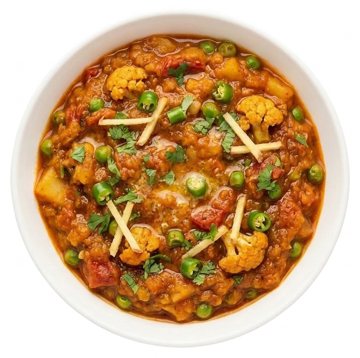
Pao Bhaji tastes more tomato-forward and earthy, lacking the allium richness, buttery ghee depth, and sharp citrus tang of this dish.
  • Same: Pao Bhaji shares a mashed base of potatoes and tomatoes seasoned with green chillies, ginger, chilli powder, and garam masala, enriched with butter and coriander.
  • Different: Pao Bhaji has a much higher ratio of tomatoes to potatoes and adds ground cumin and coriander, but it omits the onions, garlic, turmeric, ghee, and lemon juice found in this dish.
Aloo Chutneywale
Chutney-coated Potatoes
Aloo Chutneywale tastes creamier, nuttier, and more herbal from yogurt, cashews, and fresh mint, whereas this dish is heavily buttery and sharply tangy from lemon juice.
  • Same: Both dishes rely on potatoes seasoned with tomatoes, ghee, ginger, garlic, green chillies, chilli powder, and garam masala.
  • Different: Instead of mashing potatoes with butter and lemon juice, Aloo Chutneywale stuffs whole hollowed potatoes with paneer and cashews to simmer in a yogurt, cashew, and mint gravy.
Munakkaigguru
Drumstick Curry
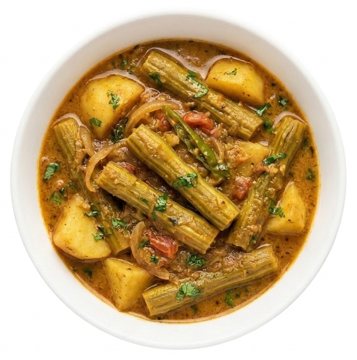
Munakkaigguru tastes milder, nuttier, and subtly sweet from coconut milk, lacking the rich, buttery heaviness and sharp lemon tang of this dish.
  • Same: Munakkaigguru shares a base of potatoes, tomatoes, onions, ginger, garlic, and green chillies seasoned with turmeric and chilli powder and finished with fresh citrus.
  • Different: Munakkaigguru simmers its vegetables in coconut milk with ground cumin and coriander using only vegetable oil, omitting the butter, ghee, and garam masala used to make this dish's thick potato mash.
Channa Masala
Chickpea (Garbanzo Bean) Curry
Channa Masala has a lighter, earthier profile without the heavy buttery richness and sharp citrus tang of this dish.
  • Same: Channa Masala shares a base of potatoes, tomatoes, onions, ginger, garlic, turmeric, and chilli powder with this dish.
  • Different: Unlike this mashed dish, Channa Masala includes chickpeas, uses ground cumin and coriander, and omits the butter, green chillies, and lemon juice.