
Chutney Walle Aloo
Small new potatoes are browned, then simmered in a tangy mint and cashew chutney gravy with yoghurt and warm spices. The result is herby, gently spicy and creamy without being heavy.
Cumin for the oil
2.1 gAdded to the hot oil before the onions (step 3)Ground spices for the yoghurt
4.7 gStirred into the yoghurt off the heat (step 5)Finishing spices
0.3 gAdded at the end with the potatoes (step 6)Everything else

Method
- For the green chutney, blend 50 g cashew nut, 75 g mint leaves, 50 g coriander, 10 g ginger root, 2 g green bird's-eye chilli, 0.3 g granulated sugar and 149 g water until completely smooth. Set aside.
- Heat 40 g of the 54 g vegetable oil in a wide pan over medium heat. Add 800 g new potato and fry for 18–20 minutes, turning often, until they begin to colour and soften. Cover and cook for 7–8 minutes more, stirring once halfway.
- Move the potatoes to a plate lined with kitchen paper. Add the remaining 14 g vegetable oil to the pan over medium heat. Add the cumin for the oil (2.1 g) and fry for a few seconds.
- Add 150 g white onion and fry for 8–10 minutes, stirring, until lightly browned. Stir in the green chutney and cook for 2–3 minutes, until some of the moisture cooks off.
- Take the pan off the heat. Stir in 45 g greek yoghurt in small additions, then add the ground spices for the yoghurt (3.6 g ground coriander and 1.1 g mild chilli powder). Put back over low heat and simmer for 1 minute.
- Add 248 g water and simmer for 2 minutes. Add salt to taste, the finishing spices (0.3 g garam masala) and the potatoes. Turn off the heat.
- Scatter over 1.5 g coriander, 1.5 g mint and 2 g fresh ginger cut into matchsticks.
Don't have something?


 Peanut oil
Use 1:1 by weight. Handles high-heat frying identically and introduces a very subtle, pleasant nuttiness.
 Ghee
Use 1:1 by weight. Yields a much richer, authentic aroma and a glossy, heavier mouthfeel.
 Mustard oil
Use 1:1 by weight. Heat until smoking, then cool slightly before cooking to temper its intensely pungent, sharp mustard kick.


 Baby potatoes
Use the same weight. Scrub and leave whole or halve if large; they cook in about the same time and give a similar waxy bite.
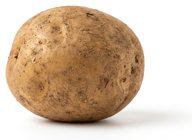 Small potato
Use the same weight. Peel only if the recipe needs it; cut to the size of new potatoes so they cook evenly. The flesh is slightly more floury.
 Potato
Use the same weight, cut into even walnut-sized pieces. It may break down a little more in long cooking, thickening the gravy.


 Ground cumin
Use 70% of the weight; add with ground spices or sauce bases rather than hot oil tempering, where it scorches quickly and turns bitter.
 Black cumin seeds
Use equal weight for oil tempering. Delivers an earthy profile with an additional musky, smoky, and slightly bitter edge.
 Fennel seed
Use 60% of the weight for tempering; offers comparable warm aroma, but leans sweet and liquorice-like rather than savoury and earthy.


 Brown onion
Use the same weight; it is the closest everyday match, with a slightly deeper sweetness when fried.
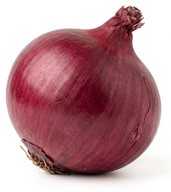 Red onion
Use the same weight; it is sharper and will tint the dish pink, so cook a little longer for sweetness.
 Shallot
Use the same weight; it is milder and sweeter, so reduce frying time slightly to avoid burning.


 Hung natural yoghurt
Use the same weight and whisk smooth; same thick consistency.
 Full-fat natural yoghurt
Use 1.25 times the weight and strain through muslin for 30 minutes; looser if not strained.
 Hung yogurt
Use the same weight; virtually identical.



 Coriander seeds
Dry-roast lightly in a pan and grind to a fine powder; use equal weight (1:1). Offers a noticeably fresher, brighter citrus note.
- Ground cumin
Use 50% to 75% of the weight. Lacks the floral, citrusy profile of coriander and turns the gravy heavier, earthier, and darker.
 Garam masala
Use 50% of the weight and stir in near the end of cooking. Adds warmth and depth since it contains ground coriander, but introduces stronger spices like clove and cinnamon.


 Mild paprika
Use the same weight for colour and low heat; add a small pinch of hot chilli powder if needed.
 Kashmiri chilli powder
Use the same weight; similar colour, slightly more heat. Taste before adding more.
 Red chilli powder
Use half the weight and make up with mild paprika; red chilli powder is usually hotter.


 Stock
Use the same weight in savoury dishes; it adds body, so adjust salt.
 Milk
Use the same weight only in doughs or creamy dishes; it makes the result richer.
 Coconut water
Use the same weight in curries or rice; it adds sweetness and a faint coconut taste.


- Ground cumin
Use 50% of the weight mixed with equal parts ground coriander and a pinch of ground cinnamon, ground cloves, and ground green cardamom. Sprinkle near the end for a warming finish.
 Lentil stew spice mix
Use 75% of the weight. Simmer briefly in the gravy; imparts roasted warmth and complexity, though it adds a slight tang and earthy lentil undertone.


 Coriander leaf
Use equal weight, chopped fresh and stirred in off the heat or used as garnish. Matches the citrus-herbal profile identically.
 Mint
Use 40% to 50% of the weight; chop finely and add at the very end. Adds fresh herbal brightness, but shifts the aroma toward cool menthol.


 Dried mint
Use about 30% of the weight of fresh mint. Rub between your palms to crush before stirring in; the flavour will be more intensely herbal and less bright.
- Coriander leaf
Use equal weight, finely chopped. Adds fresh citrusy green notes, but lacks the cooling menthol lift.


 Ginger paste
Use equal weight. Sauté in hot fat until the raw allium smell disappears; slightly wetter, but provides identical warmth and pungency.
 Ground ginger
Use 20% to 25% of the weight (1 g for every 4 to 5 g fresh). Stir into the gravy; adds peppery heat and warmth, though it misses the crisp, zesty kick of raw root.


 Almond
Use 100% of the weight. Soak in boiling water and slip off skins before frying or grinding; gives a lighter, slightly less sweet richness to curries.
 Poppy seed
Use 60% of the weight for gravies. Soak in warm water and grind into a fine paste to thicken royal kormas without adding heavy oiliness.
 Shelled peanut
Use 100% of the weight. Roast, skin, and grind; creates a thicker, earthier texture typical of Maharashtrian and western Indian curries.


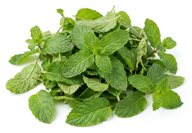
 Mint leaf
Use the same weight; identical herb, just the singular listing.
- Dried mint
Use 25% of the fresh weight, about 1 g dried for 4 g fresh; crush and add early so it softens.
 Coriander leaves
Use the same weight; it keeps the fresh green taste but loses the cooling mint aroma.


- Bird's eye green chilli
Use the same weight; heat and flavour are very close.
 Green chilli
Use 1.5 to 2 times the weight; deseed for less heat. Larger chillies are more watery.
 Fresh green chilli
Use 1.5 to 2 times the weight; chop finely and adjust heat by tasting.


 Jaggery
Use equal weight; grate or shave finely so it dissolves rapidly, giving a warm, caramel-like sweetness and slightly darker sauce.

Similar dishes

- Same: Bedmi Aloo and this dish both use new potatoes, cumin seed, green bird's-eye chilli, ginger, ground coriander, salt, sugar, water and coriander, and both simmer the potatoes in a spiced gravy.
- Different: Bedmi Aloo uses ghee, asafoetida, kashmiri chilli powder, turmeric, tomato purée and dried mango powder, while this dish uses vegetable oil, yoghurt, cashew nuts and a mint-coriander chutney and lacks those Bedmi ingredients.

- Same: U.P.-Style Aloo Ki Sabzi shares with this dish potatoes, vegetable oil, cumin seed, ground coriander, Greek yoghurt, green bird's-eye chilli, fresh ginger, sugar, salt and coriander leaves.
- Different: U.P.-Style Aloo Ki Sabzi uses boiled diced potatoes and green peas with asafoetida in a yoghurt-thickened gravy, while this dish uses browned new potatoes in a mint-and-cashew chutney gravy with onion, chilli powder and garam masala.

- Same: Tandoori Aloo Chaat shares baby potatoes, vegetable oil, cumin seed, green bird's-eye chilli, mint, garam masala and salt with this dish, and both use a dairy element.
- Different: Tandoori Aloo Chaat uses buttermilk, chickpea flour, garlic and chaat masala, and lacks this dish's Greek yoghurt, cashews, onion, ground coriander, mild chilli powder and water-simmered mint-cashew gravy; it is roasted in a coating rather than browned and simmered.

- Same: Maharashtrian Batatachi Bhaaji shares potatoes, vegetable oil, cumin seed, green bird's-eye chilli, coriander and salt with this dish.
- Different: Maharashtrian Batatachi Bhaaji uses boiled crushed floury potatoes stirred dry with garlic, curry leaves, asafoetida, turmeric and lemon, while this dish browns new potatoes and simmers them in a mint, cashew and yoghurt gravy.