
Tandoori Aloo Chaat
Tandoori aloo chaat is roasted baby potatoes in a tangy buttermilk and chickpea-flour coating, finished with chaat masala and mint. It tastes savoury, tangy and lightly spicy, with soft roasted potatoes underneath.
Cumin for the dressing
1.1 gCrushed with the green chilli for the dressing (step 4)Garam masala for the dressing
1.3 gStirred into the buttermilk dressing (step 6)Chaat masala finish
0.3 gSprinkled over the potatoes at serving (step 9)Everything else

Method
- Heat the oven to 220°C fan (475°F/gas 9).
- Put 700 g baby potato in a roasting tray; add 40.5 g vegetable oil, 6 g garlic and salt to taste, then stir to coat.
- Roast the potatoes for 15 minutes.
- Crush 6 g green bird's-eye chilli with the cumin for the dressing (1.1 g) to a coarse paste; scrape into a mixing bowl.
- Stir 310 g buttermilk and 4 g chickpea flour into the chilli-cumin paste until smooth.
- Stir the garam masala for the dressing (1.3 g) into the buttermilk mixture.
- Pour the dressing over the hot potatoes and stir to coat every potato.
- Return the tray to the oven for 15 minutes, stirring once halfway.
- Sprinkle the chaat masala (0.3 g) over the warm potatoes and scatter over 30 g mint leaf.
Don't have something?


 Potato
Use the same weight; peel or scrape and cut to new-potato size. Allow 3–5 minutes longer, as it is flourier and may break up.
- Baby potatoes
Use the same weight; halve any large ones. Cook as the recipe says, adding 2–3 minutes if needed.
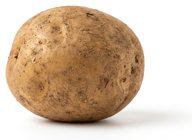 Small potato
Use the same weight; leave whole or halve. Slightly flourier, so simmer gently to avoid breaking.


 Peanut oil
Use 1:1 by weight. Handles high-heat frying identically and introduces a very subtle, pleasant nuttiness.
 Ghee
Use 1:1 by weight. Yields a much richer, authentic aroma and a glossy, heavier mouthfeel.
 Mustard oil
Use 1:1 by weight. Heat until smoking, then cool slightly before cooking to temper its intensely pungent, sharp mustard kick.



 Garlic paste
Use equal weight. Fry gently in oil or ghee with the ginger; incorporates smoothly into curries without visible minced bits.
 Garlic powder
Use 15% to 20% of the weight (about 1 g for every 5 to 6 g fresh cloves). Whisk into sauces; gives a savoury, toasted garlic flavour without raw pungency.
 Shallot
Use 1.5 times the weight, very finely minced. Sauté until golden; provides savoury allium sweetness, though it lacks garlic's pungent sulphur bite.


 Tandoori snack spice mix
Use the same weight; taste first as it can be smokier and saltier. Add lime or amchoor if the dish needs more tang.
 Dried mango powder
Use about half the weight, mixed with black salt and a pinch of ground cumin. It gives tang and saltiness but lacks the minty, asafoetida notes.
 Black salt
Use about half the weight and add lime juice to taste. It gives the salty, sulphurous edge but not the full tangy blend.


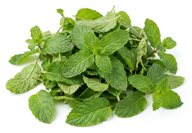 Mint leaves
Use the same weight; identical herb, just the plural listing.
 Dried mint
Use 25% of the fresh weight, about 1 g dried for 4 g fresh; crush between fingers. Flavour is stronger and slightly hay-like.
 Coriander leaf
Use the same weight; it gives a fresh green note but not true mint flavour.


- Bird's eye green chilli
Use the same weight; heat and flavour are very close.
 Green chilli
Use 1.5 to 2 times the weight; deseed for less heat. Larger chillies are more watery.
 Fresh green chilli
Use 1.5 to 2 times the weight; chop finely and adjust heat by tasting.


 Ground cumin
Use 70% of the weight; add with ground spices or sauce bases rather than hot oil tempering, where it scorches quickly and turns bitter.
 Black cumin seeds
Use equal weight for oil tempering. Delivers an earthy profile with an additional musky, smoky, and slightly bitter edge.
 Fennel seed
Use 60% of the weight for tempering; offers comparable warm aroma, but leans sweet and liquorice-like rather than savoury and earthy.


 Yogurt
Whisk 1 part yogurt with 2 parts water (40 g yogurt plus 80 g water for 120 g buttermilk); a little thicker and more sour than true buttermilk, so loosen with extra water.
 Full-fat natural yoghurt
Same as yogurt: thin 1:2 with cold water and whisk until smooth; strain first if the dish needs a runny consistency.
 Milk
Stir 15 g lemon juice into 250 g milk, leave 10 minutes, then stir; thinner and only lightly sour, so add a squeeze more lemon.


 Yellow split pea flour
Use 100% of the weight. Many commercial gram flours are milled from split peas; performs identically in pakora batters and kadhi.
 Cornstarch
For crisping batters or binding cutlets: use 50% to 60% of the weight. Produces a very crisp shell but lacks the earthy, roasted nutty flavour of besan.


- Ground cumin
Use 50% of the weight mixed with equal parts ground coriander and a pinch of ground cinnamon, ground cloves, and ground green cardamom. Sprinkle near the end for a warming finish.
 Lentil stew spice mix
Use 75% of the weight. Simmer briefly in the gravy; imparts roasted warmth and complexity, though it adds a slight tang and earthy lentil undertone.

Similar dishes

- Same: Maharashtrian Batatachi Bhaaji shares 700 g potatoes, 40.5 g vegetable oil, green bird's-eye chilli, cumin seed and salt with this dish.
- Different: Maharashtrian Batatachi Bhaaji uses boiled, lightly crushed floury potatoes stir-fried with a garlic, chilli and cumin paste, curry leaf, asafoetida, turmeric, sugar, lemon and coriander, while this dish roasts baby potatoes in a buttermilk and chickpea-flour coating with chaat masala, mint and garam masala.

- Same: Aloo ke Gutake shares potatoes, cumin seed, salt, and a spiced cooking style with this dish.
- Different: Aloo ke Gutake uses mustard oil, turmeric, dried red chilli, and coriander as a dry tempered curry, while this dish uses vegetable oil, buttermilk, chickpea flour, garlic, green chilli, mint, garam masala, and chaat masala as a roasted coated chaat.

- Same: Aloo Tikki Awadhi shares potatoes, chaat masala, garam masala, cumin, green chilli, gram flour and oil with this dish.
- Different: Aloo Tikki Awadhi adds peas, ginger, chilli powder, ground coriander, coriander leaf and chutney, and it is griddled as patties, while this dish roasts baby potatoes in a buttermilk and chickpea-flour coating with mint and garlic.

- Same: Shakkarkand Ki Tikki shares potatoes, green bird's-eye chilli, cumin seed, chaat masala, salt and vegetable oil with this dish.
- Different: Shakkarkand Ki Tikki uses sweet potato and potato with ginger, coriander leaf, mild chilli powder, cornstarch and dried breadcrumbs, and it is shallow-fried, while this dish uses baby potatoes in a buttermilk and chickpea-flour coating with garlic, mint and garam masala and is roasted.