Indian cooking
Indian cooking / Dishes / Chaamp Baadami
Chaamp Baadami (Almond Chops)

Chaamp Baadami

Almond Chops
Non-vegetarian●●●Origin AwadhPrep 45 minutes, plus marinating timeCook 1¼ hours

Tender, marinated lamb chops braised in a luxurious, silky almond sauce perfumed with aromatic whole and ground sweet spices.

Marinade spices

45 gWhisked into the marinade (step 2)
Combine the pastes and ground spices together.

Whole spices for the sauce

4.7 gFried in hot ghee (step 5)
02
0.2 g3 cloves
spice
03
2.6 g2 pieces
spice
04
1 g2 leaves
spice
Keep whole; they fry together in the hot fat.

Ginger and garlic pastes for the sauce

42 gStirred into the blooming whole spices (step 5)
Mix the two pastes together.

Chilli powder for the sauce

2.6 gStirred into the fried paste base (step 6)
01
2.6 g1 teaspoon
spice
Keep ready to stir into the pan.

Ground spices for the sauce

4.4 gWhisked into the strained gravy (step 7)
02
1.1 g½ teaspoon
spice
04
0.4 g¼ teaspoon
spice
05
0.6 g¼ teaspoon
spice
Blend the ground spices together.

Everything else

01
1200 g12 chops
meat
02
70 g5 tablespoons
dairy
03
100 g2 eggs
egg
04
to taste
salt
05
60 g4 tablespoons
souring agent
06
127 g125 ml
dairy
08
Ghee or oil · Ghee ya telplus extra for deep-frying
81 g6 tablespoons
oil/fat
10
~0.1 g1 drop
other

Method

  1. Trim the 12 chops by excising the two flanking rib bones and scraping the lower section of each bone clean. Place them in a wide, shallow dish.
  2. Whisk together 60 g white malt vinegar, 127 g plain yogurt, 1 tablespoon fried onion paste, 2 teaspoon papaya paste, salt to taste, and the marinade spices in a large bowl. Rub this mixture over the chops until well coated, cover, and refrigerate for at least 3 hours.
  3. Pour frying oil or ghee into a deep, heavy saucepan and heat to 180°C (350°F). Fry 50 g almonds for 1 to 2 minutes until lightly golden, then transfer with a slotted spoon onto paper towels to cool. Once cold, tip the almonds into a blender with 250 ml water and process to a smooth puree.
  4. Preheat the oven to 140°C (275°F). Arrange the chops in a greased roasting tin, pour the remaining marinade over them, dot with 5 tablespoon unsalted butter, and brush with 2 beaten eggs. Roast for roughly 25 minutes until cooked through, basting regularly with the pan juices. Transfer the meat to a plate and retain all cooking liquor.
  5. Warm 6 tablespoon ghee in a wide saucepan over medium heat. Add the whole spices for the sauce and cook for roughly 30 seconds until the cardamoms puff and take on colour. Stir in the ginger and garlic pastes for the sauce, frying for 1 to 2 minutes until the moisture evaporates. Lower the flame, add the pureed almond paste, and fry for 1 to 2 minutes until browned, stirring in small splashes of water as needed to prevent sticking.
  6. Raise the heat back to medium. Mix in 3 tablespoon fried onion paste and 1 tablespoon garlic paste, cooking for 1 to 2 minutes until fat begins to release. Stir in the chilli powder for the sauce for 30 seconds, then pour in the reserved roasting liquor and cook for another 2 minutes until oil beads on the surface.
  7. Pour in 500 ml water, bring to a rolling boil, then drop the heat to low and simmer gently for 4 to 5 minutes. Strain the sauce through a fine-mesh sieve into a clean pan, pressing out all liquid, and place it back over the heat. Season with salt, whisk in the ground spices for the sauce, and bring to a simmer.
  8. Submerge the chops in the simmering sauce, turn the heat to low, and cook gently for 30 minutes, stirring occasionally, until the meat is completely tender. Stir in 0.1 g ittar, check the seasoning, and serve.

Don't have something?

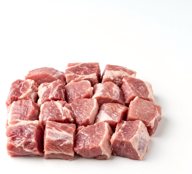
Lamb chop
  • Pork

    Use equal weight of bone-in pork chops; cook over medium heat, taking care not to dry them out, done in 10-12 minutes.

  • Lamb shoulder

    Use equal weight cut into thick steaks; requires lower, slower braising for 45 minutes longer to become tender.

Unsalted butter
  • Ghee

    Use 80% to 85% of the weight. Delivers rich dairy flavour without the milk solids or moisture; watch the heat as it cooks hotter.

  • Butter

    Use equal weight, but reduce the recipe's added salt by approximately 1.5% of the weight of butter used.

Egg
  • Chickpea flour

    For binding, use about 10 g chickpea flour mixed with 20 ml water per egg and rest for 10 minutes. Denser and nuttier; not suitable for baking or coating in the same way.

  • Full-fat natural yoghurt

    Use about 30 g per egg for moisture and binding in koftas or fillings. Adds tang and softness; will not set or glaze like egg.

  • Tofu

    Use the same weight, mashed, for egg-like bulk in curries. Soft and bland; add extra spices and do not expect it to bind.

White malt vinegar
  • White vinegar

    Use 90% of the weight. It is sharper and lacks the mild malty grain undertone, so temper with a tiny pinch of sugar if needed.

  • Lemon juice

    Use 100% of the weight. Best for marinades or quick chutneys; imparts fresh citrus flavour instead of fermented acidity.

Plain yogurt
  • Yogurt

    Use equal weight, whisked thoroughly until smooth before adding to hot dishes to prevent curdling.

  • Coconut milk

    Use equal weight with 1 teaspoon lemon juice mixed in. Provides rich creaminess in curries, but adds a noticeable coconut flavour.

  • Single cream

    Use 80% of the weight plus a squeeze of lemon juice for acidity. Enriches sauces nicely, though it is richer and less tangy.

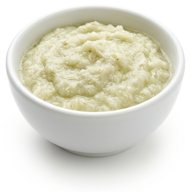
Garlic paste
  • Garlic

    Use equal weight; crush or finely grate to a smooth pulp to replicate the same fresh, pungent moisture in your base gravy.

  • Garlic powder

    Use 20 to 25% of the weight; mix with a teaspoon of water before adding to oil so it does not burn, noting it lacks the fresh bite.

Ginger paste
  • Fresh ginger

    Use equal weight; peel and grate very finely on a microplane or pound to a fine paste in a mortar.

  • Ginger

    Use equal weight; mince finely and crush with the flat of a knife before frying.

  • Ground ginger

    Use 20% of the weight; add directly with the dry spice powders, though it yields an earthier, less pungent profile.

Fried onion paste
  • Fried onions

    Blend the same weight with 1–2 tablespoons water to a smooth paste; add only enough water to grind.

  • Onion paste

    Fry the same weight in oil until deep golden, then mash or blend; cook a little longer to remove the raw taste.

  • Boiled onion paste

    Fry the same weight in oil until golden before use; it will be wetter, so cook until the oil separates.

Raw papaya paste
  • Green papaya paste

    Use the same weight; blend peeled green papaya. Very close, but may be slightly weaker as a tenderiser.

  • Unripe papaya paste

    Use the same weight; blend peeled unripe papaya. Similar, with a little more sweetness.

  • Raw papaya

    Use the same weight; peel, deseed and blend to a paste. Fresher and stronger than a stale paste.

Chilli powder
  • Red chilli powder

    Use 100% of the weight. Provides direct, sharp heat and red colour in equal measure.

  • Kashmiri chilli powder

    Use 150% to 200% of the weight if matching colour, but add a pinch of black pepper or hot chilli if you need equivalent fiery heat.

  • Cayenne pepper

    Use 75% to 100% of the weight. Offers a sharp, clean heat with slightly less earthy depth and less crimson colour.

Ground green cardamom
  • Green cardamom seed

    Grind freshly extracted inner black seeds finely; use equal weight (1:1). Greatly superior aroma with potent eucalyptus and citrus notes.

  • Green cardamom pod

    Lightly crack whole pods and simmer them in the gravy; use 150% of the weight of ground cardamom. Fish out the pods before serving.

  • Ground nutmeg

    Use 50% of the weight. Delivers warm, sweet aroma, but lacks cardamom's cooling, citrusy top notes.

Ground clove
  • Ground allspice

    Use 1.5–2 times the weight; it has a similar warm pungency but is milder and rounder, so the dish loses clove’s sharp medicinal heat.

  • Ground cinnamon (cassia)

    Use the same weight; it gives warmth but is sweeter and lacks clove’s strength, so use only if the amount is small.

Ground nutmeg
  • Nutmeg

    Grate whole nutmeg finely on a microplane; use 80% to 100% of the weight. Freshly grated nutmeg has significantly more aromatic oils and a more vibrant aroma.

  • Ground mace

    Use 100% to 120% of the weight. Mace is nutmeg's outer husk, providing almost identical warmth but with a lighter, slightly more delicate, floral edge.

  • Ground cinnamon (cassia)

    Use 75% of the weight. Adds comparable warmth and sweetness, though it lacks the musky, nutty undertone of nutmeg.

Ghee or oil
  • Ghee

    Use the same weight. Richer flavour and aroma; keep heat moderate so it does not burn.

  • Oil

    Use the same weight. Neutral result; the dish will be less rich.

  • Vegetable oil

    Use the same weight. Everyday neutral choice; no ghee aroma.

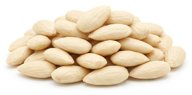
Blanched almond
  • Almond

    Use the same weight; cover with hot water for 5 minutes, then slip off the skins.

  • Blanched split almond

    Use the same weight; they are already peeled and split, so use whole or chop as needed.

  • Cashew nut

    Use the same weight; soak in warm water before grinding. They are softer and richer, so the dish will be creamier.

Green cardamom pod
  • Green cardamom seed

    Use 35 to 40% of the total pod weight; lightly bruise the seeds before frying in oil to release their essential oils.

  • Ground green cardamom

    Use 20 to 25% of the pod weight (about 1 generous pinch per pod); stir in toward the end of cooking so the delicate floral notes do not dissipate.

  • White cardamom pod

    Use 1:1 by pod count or weight; crack gently before using, though it is slightly less intensely floral.

Clove
  • Ground cloves

    Use 1 g ground for 4 g whole (or 1 small pinch per 2 to 3 whole cloves). Add with spice powders; disperses intense warmth quickly, so use with restraint.

  • Allspice berries

    Use 100% of the weight whole in tempering. Imparts a warm, clove-like aromatic profile combined with hints of nutmeg and cinnamon.

  • Black cardamom pod

    Use 1 pod for 3 to 4 cloves in whole tempering. Shares a camphor-like warmth and medicinal depth, though it introduces a distinct smoky undertone.

Cassia bark
  • Ceylon cinnamon

    True cinnamon: thinner, papery quills, milder and sweeter. Use about 1.5 times the weight, and taste.

  • Ground cinnamon (cassia)

    Use about a third of the weight (0.5 g ground for a 2.5 cm piece), stirred in with the ground spices rather than fried whole, since the powder burns quickly.


  • Cassia buds

    Use 60-70% of the weight; stronger and more peppery, so taste before adding more.

Bay leaf
  • Cinnamon stick

    Use a 2 cm piece (about 1 g) for every 1 to 2 bay leaves. Fry in whole-spice temperings; provides the cassia-like warmth typical of Indian tejpatta.

  • Ground cinnamon (cassia)

    Use 0.5 g per leaf. Stir into the sauce during simmering; gives the same warm woodiness but darkens the colour slightly.

Fried garlic paste
  • Garlic paste

    Fry the same weight gently in oil until pale golden, then use at once; do not let it brown or it turns bitter.

  • Crushed garlic

    Fry the same weight in oil over a low heat until the raw smell goes, then crush or mash into the dish.

  • Ground garlic

    Fry the same weight briefly in oil until golden; use a low heat so it does not catch.

Ground cinnamon
  • Ground Ceylon cinnamon

    Milder and sweeter than ground cassia: use about 1.5 times the weight.

  • Cassia bark (Chinese cinnamon)

    Grind the same weight of cassia bark in a spice mill until powdery, or simmer a piece whole and lift it out before serving.

  • Ground mace

    Use 40 to 50% of the weight; offers a delicate, sweet, woodsy fragrance that complements rich curries without dominating.

Ground mace
  • Mace blade

    Grind dried blades finely in a spice mill; use equal weight (1:1). Provides an identical, freshly aromatic, sweet-musky profile.

  • Ground nutmeg

    Use 75% to 80% of the weight. Derived from the seed of the same tree, it shares the flavour profile but is heavier, sweeter, and more pungent.

  • Ground cinnamon (cassia)

    Use 50% of the weight. Adds warming sweetness, but lacks mace's savoury, elegant floral notes.

Ittar
  • Rosewater

    Use about 1 teaspoon for every 2 drops of ittar, added at the end. It is far less concentrated and adds liquid.

  • Screwpine water

    Use about 1 teaspoon for every 2 drops of ittar, added off the heat. The aroma is different but still perfumed.

  • Rose syrup

    Use 1/2 teaspoon for every 2 drops of ittar and reduce any other sugar slightly. It adds sweetness as well as perfume.

Similar dishes

Taar Qorma
Lamb with Rich Sauce
Taar Qorma is deeply rich, mild, and perfumed with floral notes, lacking the sharper vinegar tang of this dish.
  • Same: Both dishes braise lamb in a base of yogurt, fried onion paste, ginger, garlic, and warm spices like green cardamom, cinnamon, cloves, mace, and nutmeg.
  • Different: Taar Qorma is cooked in ghee instead of butter, uses cashew paste rather than an almond sauce, adds ground coriander and floral kewra or rosewater, and omits this dish's white malt vinegar and bay leaves.
Dahi ka Keema
Lamb Cooked in Yoghurt
Dahi ka Keema is hotter and tangier from fresh green chillies and a larger quantity of yogurt, without the rich nuttiness or vinegar edge of this dish.
  • Same: Both dishes feature lamb cooked in yogurt, ginger-garlic paste, and warm spices like cinnamon, cloves, green cardamom, and mace.
  • Different: Instead of bone-in chops braised with butter, vinegar, and an almond sauce, Dahi ka Keema simmers minced lamb in ghee and peanut oil with fresh onions, black cardamom, and garam masala.
Bund Gosht
Fennel-flavoured Lamb Cooked in a Sealed Pot
Bund Gosht tastes of yogurt tang and ground fennel with whole-spice warmth, while this dish is richer from almonds, butter and ghee and more tangy from vinegar with sweet spice and ittar notes.
  • Same: Bund Gosht shares lamb chops, plain yogurt, fried onion paste, ginger and garlic pastes, chilli powder, and whole green cardamom, cinnamon and clove with this dish.
  • Different: Bund Gosht uses vegetable oil, turmeric paste and ground fennel and is cooked in a dough-sealed pot, while this dish uses butter and ghee, egg, malt vinegar, blanched almonds, raw papaya paste, nutmeg, mace and ittar and is braised in an almond sauce.
Shahi Qorma
Prince-like Curry
Shahi Qorma tastes more delicately floral and sweet with less tangy acidity than this dish.
  • Same: Both dishes gently braise lamb in a rich yogurt and onion base spiced with green cardamom, cloves, cinnamon, mace, and bay leaves.
  • Different: Shahi Qorma uses ghee or oil instead of butter, cooks curried lamb rather than chops, and flavors the sauce with saffron, coriander, and floral water instead of vinegar and almonds.