
Tawe Ka Tikka
A dry stir-fried lamb tikka of yoghurt-marinated shoulder chunks cooked down, then tossed on a tawa with onions, tomatoes, green chilli and garam masala. It tastes tangy, hot and aromatic, with a rich lamb flavour.
Marinade chilli
2.6 gStirred into the yoghurt marinade (step 2)Garam masala
8 gMixed in a small bowl and added with the cooked lamb (step 11)Everything else

Method
- Blend 15 g garlic, 6 g ginger root and a splash of water to a paste.
- Stir 30 g greek yoghurt, 10 g meat tenderizer, the garlic-ginger paste and the marinade chilli (2.6 g kashmiri chilli powder) together in a bowl.
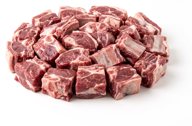
- Add 700 g lamb shoulder chunks to the yoghurt mixture and turn to coat.
- Cover and refrigerate 4–5 h or overnight.
- Mix the garam masala in a small bowl: 2.1 g cumin seed, coarsely crushed, 2.6 g ground cinnamon, 1.1 g black cardamom powder and 2.1 g ground clove; set aside.
- Heat a large saucepan over medium heat and add the marinated lamb with no oil.
- Cook 25 min, stirring often as the moisture dries; turn off the heat, cover and set aside.
- Heat 26.4 g ghee in a tawa/frying pan over medium heat.
- Add 220 g white onion, finely chopped, and fry 18–20 min until brown.
- Stir in 120 g tomato, finely chopped, and fry 5 min until softened and mushy.
- Add the cooked lamb and the garam masala to the pan.
- Season with salt to taste and add 6 g green bird's-eye chilli, slit lengthwise.
- Lower the heat and fry 5–6 min, stirring well; turn off the heat.
- Garnish with 2 g coriander leaf, finely chopped, and the juice of 25 g lemon.
- Serve as a snack or with flatbread and a zingy salad.
Don't have something?

 Garlic paste
Use equal weight. Fry gently in oil or ghee with the ginger; incorporates smoothly into curries without visible minced bits.
 Garlic powder
Use 15% to 20% of the weight (about 1 g for every 5 to 6 g fresh cloves). Whisk into sauces; gives a savoury, toasted garlic flavour without raw pungency.
 Shallot
Use 1.5 times the weight, very finely minced. Sauté until golden; provides savoury allium sweetness, though it lacks garlic's pungent sulphur bite.


 Ginger paste
Use equal weight. Sauté in hot fat until the raw allium smell disappears; slightly wetter, but provides identical warmth and pungency.
 Ground ginger
Use 20% to 25% of the weight (1 g for every 4 to 5 g fresh). Stir into the gravy; adds peppery heat and warmth, though it misses the crisp, zesty kick of raw root.


 Hung natural yoghurt
Use the same weight and whisk smooth; same thick consistency.
 Full-fat natural yoghurt
Use 1.25 times the weight and strain through muslin for 30 minutes; looser if not strained.
 Hung yogurt
Use the same weight; virtually identical.


 Raw papaya paste
Use about 10 g per 500 g meat, rub in and leave 30 minutes; do not overdo or the meat turns mushy.
 Lemon juice
Use about 15 ml per 500 g meat, leave 20 minutes; acidic and lightly tenderising.
 Yoghurt
Use about 100 g per 500 g meat, leave overnight; mild tenderising and adds tang.


 Dried kashmiri chilli
Grind deseeded dried pods to an equal weight of powder; gives identical vivid red colour and gentle warmth.
 Red chilli powder
Use 25% of the weight mixed with sweet paprika for colour; straight red chilli powder is substantially hotter and will make the dish fiery.
 Chilli powder
Use one-third of the weight; the sauce will be less intensely red and notably sharper in heat.




 Unsalted butter
Use 120% of the weight; melt gently over low heat to avoid burning the milk solids, which will yield a softer, creamier richness rather than a nutty aroma.
 Vegetable oil
Use 85% of the weight; holds high cooking temperatures without smoking, but the final dish will lack traditional dairy depth.
 Mustard oil
Use equal weight; heat to smoking point and cool slightly before cooking, bearing in mind it introduces an assertive, pungent edge.


 Brown onion
Use the same weight; it is the closest everyday match, with a slightly deeper sweetness when fried.
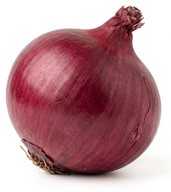 Red onion
Use the same weight; it is sharper and will tint the dish pink, so cook a little longer for sweetness.
- Shallot
Use the same weight; it is milder and sweeter, so reduce frying time slightly to avoid burning.


 Tomato purée
Use 40% to 50% of the fresh tomato weight mixed with a splash of water. Imparts a deeper red colour, thicker sauce, and slightly sweeter cooked flavour.
 Plain yogurt
Use 60% of the weight, whisked smooth and added on low heat. Provides rich body and sourness, though the gravy becomes paler and creamier.


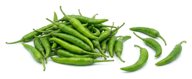
- Bird's eye green chilli
Use the same weight; heat and flavour are very close.
 Green chilli
Use 1.5 to 2 times the weight; deseed for less heat. Larger chillies are more watery.
 Fresh green chilli
Use 1.5 to 2 times the weight; chop finely and adjust heat by tasting.


 Lime
Use the same weight or juice amount; sharper, so taste before adding all the juice.
- Lemon juice
Use about 45–50 ml for 1 lemon; add off the heat to keep the freshness.
 Dried mango powder
Use 1 tsp for the juice of 1 lemon; add early. Sourness is flatter and less fresh.


 Ground cumin
Use 70% of the weight; add with ground spices or sauce bases rather than hot oil tempering, where it scorches quickly and turns bitter.
 Black cumin seeds
Use equal weight for oil tempering. Delivers an earthy profile with an additional musky, smoky, and slightly bitter edge.
 Fennel seed
Use 60% of the weight for tempering; offers comparable warm aroma, but leans sweet and liquorice-like rather than savoury and earthy.



- Ground Ceylon cinnamon
Milder and sweeter than ground cassia: use about 1.5 times the weight.
 Cassia bark (Chinese cinnamon)
Grind the same weight of cassia bark in a spice mill until powdery, or simmer a piece whole and lift it out before serving.
 Ground mace
Use 40 to 50% of the weight; offers a delicate, sweet, woodsy fragrance that complements rich curries without dominating.


 Black cardamom seeds
Use equal weight; grind freshly in a mortar or spice mill for an even more vibrant camphor-and-smoke aroma.
 Black cardamom pod
Use 2.5 times the weight in whole pods; crack open, extract the sticky seeds, and grind to a fine powder, discarding the husks.
 Garam masala
Use 60% of the weight; provides some warm resinous smokiness if it contains black cardamom, though it adds cinnamon and clove notes.


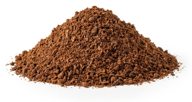 Ground allspice
Use 1.5–2 times the weight; it has a similar warm pungency but is milder and rounder, so the dish loses clove’s sharp medicinal heat.
- Ground cinnamon (cassia)
Use the same weight; it gives warmth but is sweeter and lacks clove’s strength, so use only if the amount is small.
Similar dishes

- Same: Rajasthani Maas Ki Kadhi shares lamb, garlic, ghee, white onion, green bird's-eye chilli, Kashmiri chilli powder, yoghurt, cumin seed and coriander with this dish.
- Different: It uses lamb leg on the bone, chickpea flour, turmeric, asafoetida, clove and water or stock, and lacks this dish’s tomato, ginger, lemon, cinnamon and black cardamom, so it is a creamy yoghurt-thickened curry rather than a dry-cooked tikka finished in ghee.

- Same: Rajasthani Laal Maas shares lamb shoulder, garlic, ginger, Kashmiri chilli powder, ghee, white onion and a clove-garam masala spice base with this dish.
- Different: It is a stock-based curry with marrow bone, coal smoke, dried Kashmiri chillies, vegetable oil, bay leaf and tomato purée, while this dish is a yoghurt-marinated dry-cooked tikka finished in ghee with green chilli and lemon.

- Same: Kandahari Gosht Tikka shares lamb, a yoghurt marinade, garlic, ginger, cumin and meat tenderizer with this dish, and both are cooked without a wet gravy.
- Different: Kandahari Gosht Tikka uses lamb rump skewered and cooked on a griddle, while this dish uses lamb shoulder dry-cooked and finished in ghee with onion and tomato; it lacks this dish's green chilli, Kashmiri chilli powder, lemon, cinnamon, black cardamom and clove, and it adds black pepper, dried mango powder and smoked butter.

- Same: Martswangan Qorma shares lamb shoulder, yogurt, cumin, cinnamon, clove and chilli heat with this dish, and it can use ghee as the fat.
- Different: Martswangan Qorma is a saucy Kashmiri curry built on dried red chilli, mawal extract, fennel, green cardamom and black rock salt; it lacks this dish's onion, tomato, garlic, green bird's-eye chilli, lemon, coriander and meat tenderizer, and it is not dry-cooked and finished in ghee.