
Martswangan Qorma
A richly spiced Kashmiri lamb curry infused with the heat of strained red chillies and the vibrant crimson tint of cockscomb flower extract.
Chilli base
20 gSoaked, pureed, and strained (step 1)Pot spices
23 gStirred into the browned lamb (step 3)Everything else

Method
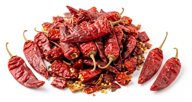
- Submerge the 20 g dried red chilli in hot water for 2 minutes. Drain, reserving a splash of the liquid, and strip out the seeds. Puree the chillies in a small blender with the reserved water, then press the paste through fine muslin to collect the strained chilli extract.
- Warm 40.5 g vegetable oil or ghee in a heavy-bottomed pan over low heat. Pour in 120 g plain yogurt and cook for roughly 5 minutes, stirring continuously until it turns a deep brown colour.
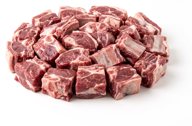
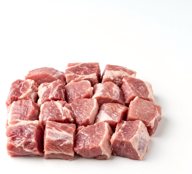
- Tumble in 1000 g lamb shoulder and fry for approximately 5 minutes. Stir in the pot spices, the strained chilli extract, and black rock salt to taste.
- Mix in 58.8 g mawal extract and simmer gently for about 1½ hours, until the lamb turns tender and the oil separates on the surface.
Don't have something?


 Dried kashmiri chilli
Use equal weight whole. Fry in hot oil or ghee as tempered spice; gives a richer red colour with slightly milder heat.
 Red chilli powder
Use 50% to 70% of the weight. Stir into the oil with ground spices; distributes heat evenly throughout the dish without whole chilli skins.


 Peanut oil
Use equal weight; handles high tempering heat well and keeps flavours neutral.
 Butter
Use equal weight; cook over gentle heat to prevent browning the milk solids too quickly.


 Yogurt
Use equal weight, whisked thoroughly until smooth before adding to hot dishes to prevent curdling.
 Coconut milk
Use equal weight with 1 teaspoon lemon juice mixed in. Provides rich creaminess in curries, but adds a noticeable coconut flavour.
 Single cream
Use 80% of the weight plus a squeeze of lemon juice for acidity. Enriches sauces nicely, though it is richer and less tangy.




 Fennel seed
Grind whole seeds finely; use equal weight (1:1). Provides a fresh, sweet, aniseed aroma that is slightly stronger than pre-ground powder.
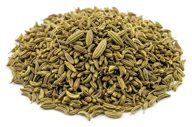 Aniseed
Grind finely; use 75% to 80% of the weight. Has a sharper, sweeter liquorice taste with less of fennel's herbal earthiness.
 Star anise
Grind whole star anise finely; use 30% to 40% of the weight. Very potent aniseed flavour that easily overpowers a dish if not used sparingly.



- Ground Ceylon cinnamon
Milder and sweeter than ground cassia: use about 1.5 times the weight.
 Cassia bark (Chinese cinnamon)
Grind the same weight of cassia bark in a spice mill until powdery, or simmer a piece whole and lift it out before serving.
 Ground mace
Use 40 to 50% of the weight; offers a delicate, sweet, woodsy fragrance that complements rich curries without dominating.


 Green cardamom seed
Use 35 to 40% of the total pod weight; lightly bruise the seeds before frying in oil to release their essential oils.
 Ground green cardamom
Use 20 to 25% of the pod weight (about 1 generous pinch per pod); stir in toward the end of cooking so the delicate floral notes do not dissipate.
 White cardamom pod
Use 1:1 by pod count or weight; crack gently before using, though it is slightly less intensely floral.


 Ground cloves
Use 1 g ground for 4 g whole (or 1 small pinch per 2 to 3 whole cloves). Add with spice powders; disperses intense warmth quickly, so use with restraint.
 Allspice berries
Use 100% of the weight whole in tempering. Imparts a warm, clove-like aromatic profile combined with hints of nutmeg and cinnamon.
 Black cardamom pod
Use 1 pod for 3 to 4 cloves in whole tempering. Shares a camphor-like warmth and medicinal depth, though it introduces a distinct smoky undertone.


 Ground cumin
Use 70% of the weight; add with ground spices or sauce bases rather than hot oil tempering, where it scorches quickly and turns bitter.
 Black cumin seeds
Use equal weight for oil tempering. Delivers an earthy profile with an additional musky, smoky, and slightly bitter edge.
- Fennel seed
Use 60% of the weight for tempering; offers comparable warm aroma, but leans sweet and liquorice-like rather than savoury and earthy.


 Ginger paste
Use 300% to 400% of the weight (e.g. 3–4 g paste for 1 g ground). Fry in oil alongside onions; provides a juicy, pungent kick rather than a dry, baking-spice heat.
 Fresh ginger
Peel and grate finely; use 300% to 400% of the weight. Add to the hot oil early; delivers bright, peppery warmth rather than the mellow, woody heat of dry ginger.
- Ground mace
Use 50% of the weight. Imparts a warm, spicy undertone in rich gravies, but lacks ginger's fiery, sharp zest.


 Kashmiri chilli water
Use equal volume; mimics the deep, clear ruby-red tint of cockscomb flower extract with barely any heat.
 Kashmiri chilli powder
Mix 1 tsp (3 g) with 2 tbsp hot water and strain; yields the signature vibrant crimson tone in traditional Kashmiri gravies.

Similar dishes

- Same: Gushtaba shares a base of lamb, plain yogurt, and warming spices like fennel, ginger, cloves, and green cardamom with this dish.
- Different: Instead of lamb shoulder pieces braised with cumin, cinnamon, dried red chillies, and mawal extract, Gushtaba features finely pounded meatballs poached in a much larger volume of yogurt and ghee with black cardamom, fried onions, and dried mint.

- Same: Both are Kashmiri curries that braise one kilogram of lamb with ground fennel seed, ground ginger, cinnamon, green cardamom, and cloves.
- Different: Aab Gosht braises the meat in a rich base of milk, boiled onion paste, garlic, black peppercorns, and heavy ghee, omitting this dish's dried red chillies, yogurt, mawal extract, and cumin.
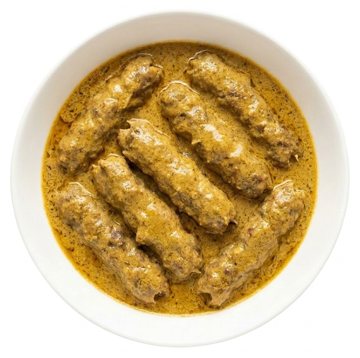
- Same: Both are Kashmiri lamb dishes cooked in a spiced yogurt sauce sharing whole and ground spices like cinnamon, cumin, cloves, green cardamom, and ginger.
- Different: Shyaem uses poached minced lamb meatballs simmered in a milk-and-yogurt gravy seasoned with mustard oil and asafoetida, whereas this dish braises lamb shoulder cuts with dried red chillies, fennel seed, and mawal extract.

- Same: Rista shares with this dish a Kashmiri lamb base, mawal extract, fennel, ginger, cinnamon, and a ghee or oil fat.
- Different: Rista uses pounded lamb meatballs, boiled onion paste, black cardamom, and chilli powder, and lacks this dish's yogurt, cumin, clove, green cardamom, and dried red chillies; it is poached and simmered, while this dish cooks lamb shoulder in a chilli-yogurt sauce.