
Murg Qorma (II)
A rich, Mughlai-style chicken curry featuring marinated drumsticks slow-cooked in a velvety gravy of yoghurt, fried onions, cream, and ground poppy seeds. The sauce is fragrant with rose petals, warming spices, and mace.
Marinade aromatics
31 gStirred into the chicken marinade (step 1)Fragrant whole spices
8 gGround into a powder before dividing into the sauce (step 2)Poppy seeds for the paste
29 gBlended with almonds and water (step 3)Chilli powder
1.3 gWhisked into the yoghurt coating (step 4)Everything else

Method
- Combine the marinade aromatics (15.6 g garlic paste and 15.6 g ginger paste), 30 g white vinegar, and salt to taste in a bowl. Rub this mixture over 12 chicken drumsticks, cover, and refrigerate for 30 minutes.
- Grind the fragrant whole spices (3.4 g coriander seeds, 0.5 g green cardamom pod, 0.1 g clove, 1.3 g cinnamon stick, 0.9 g black peppercorn, 1 g mace blade, 0.6 g nutmeg, and 12 dried rose petals) to a fine powder in a spice grinder.
- Blend 3.5 tablespoon blanched almonds and the poppy seeds for the paste (29.4 g poppy seed) with a splash of water to form a smooth paste.
- In a bowl, mix 250 g yoghurt, 4 tablespoon fried onion paste, 2 tablespoon garlic paste, the almond-poppy paste, the chilli powder (1.3 g chilli powder), four-fifths of the fragrant whole spices, and salt to taste.
- Drain any excess marinade from the chicken drumsticks, coat them thoroughly in the spiced yoghurt mixture, and arrange them spaced apart in a large, heavy-based pan. Spoon over the remaining yoghurt mixture and drizzle 90 g single cream across the top.
- Set the pan over medium heat for 5 minutes. Stir for 1 minute, then secure the lid and seal the rim using 150 g dough. Bake in an oven at 180°C (350°F)—optionally topping the lid with hot charcoals—for 15 minutes, or alternatively cover tightly without dough and cook for about 30 minutes until the drumsticks are tender.
- Take the pan out of the oven, remove the dough seal, and transfer the drumsticks to a plate. Place the pan over the heat to boil, then reduce the flame to low and simmer, stirring occasionally, until the gravy thickens. Mix in the remaining fragrant whole spices, adjust the salt if needed, and take off the heat.
Don't have something?
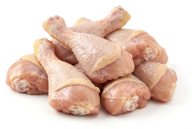
 Chicken leg
Use the same weight; larger pieces, so add 5–10 minutes cooking time and check at the bone.
 Chicken thigh
Use the same weight; boneless thigh cooks faster by 5–10 minutes. More juicy and less bony.
 Chicken pieces
Use the same weight; choose bone-in pieces for similar richness. Adjust time by size.


 Hung natural yoghurt
Use the same weight. The names are used interchangeably; check seasoning.
 Greek yoghurt
Use the same weight. It is thick enough for marinades and raitas, with a slightly sharper taste.
 Full-fat natural yoghurt
Use about 175% of the weight and strain through muslin for 3–4 hours to get the same thick weight.


 Fried onions
Blend the same weight with 1–2 tablespoons water to a smooth paste; add only enough water to grind.
 Onion paste
Fry the same weight in oil until deep golden, then mash or blend; cook a little longer to remove the raw taste.
 Boiled onion paste
Fry the same weight in oil until golden before use; it will be wetter, so cook until the oil separates.


 Garlic paste
Fry the same weight gently in oil until pale golden, then use at once; do not let it brown or it turns bitter.
 Crushed garlic
Fry the same weight in oil over a low heat until the raw smell goes, then crush or mash into the dish.
 Ground garlic
Fry the same weight briefly in oil until golden; use a low heat so it does not catch.


 Red chilli powder
Use 100% of the weight. Provides direct, sharp heat and red colour in equal measure.
 Kashmiri chilli powder
Use 150% to 200% of the weight if matching colour, but add a pinch of black pepper or hot chilli if you need equivalent fiery heat.
 Cayenne pepper
Use 75% to 100% of the weight. Offers a sharp, clean heat with slightly less earthy depth and less crimson colour.



 Whole milk
Use equal weight, whisked with a small knob of unsalted butter. Simmer gently over low heat to reduce curdling; sauce will be slightly lighter.
 Clotted cream
Use 50% weight combined with 50% whole milk, whisked until smooth. Adds intense richness, so stir in at the very end off the heat.
 Cashew paste
Use 60% cashew paste mixed with 40% warm water. Creates a silky, luxurious thickening that won't split even under high heat.


 Plain boiled rice
If dough was intended to accompany a curry (such as flatbreads), serve equal cooked weight of rice instead.


 Garlic
Use equal weight; crush or finely grate to a smooth pulp to replicate the same fresh, pungent moisture in your base gravy.
 Garlic powder
Use 20 to 25% of the weight; mix with a teaspoon of water before adding to oil so it does not burn, noting it lacks the fresh bite.


 Fresh ginger
Use equal weight; peel and grate very finely on a microplane or pound to a fine paste in a mortar.
 Ginger
Use equal weight; mince finely and crush with the flat of a knife before frying.
 Ground ginger
Use 20% of the weight; add directly with the dry spice powders, though it yields an earthier, less pungent profile.


 White malt vinegar
Use 100% of the weight. Imparts a very similar clean acidity with a faintly softer, grain-based finish.
 Vinegar
Use 100% of the weight as a direct 1:1 replacement.
 Lime juice
Use 100% of the weight. Stir into the sauce at the end of cooking; adds vibrant fruity acidity rather than acetic punch.


 Cashew nut
Use equal weight. Soak in warm water and grind to a paste or fry identically; yields a slightly creamier and sweeter sauce.
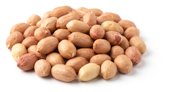 Shelled peanut
Use equal weight. Lightly roast, skin, and grind; introduces a heavier body and a pronounced roasted-nut aroma.


- Cashew nut
Use equal weight. Soak in warm water for 20 minutes and grind to a smooth paste; produces an even creamier, slightly richer gravy than poppy seeds.
 White sesame seed
Use equal weight. Soak and grind finely; provides similar thickening and body with a slightly nuttier, faintly bitter edge.
- Almond
Use equal weight. Blanch, peel, and grind finely with a splash of water; lends a velvety body and gentle sweetness to gravies.


 Ground coriander
Use 75% of the weight; stir in along with wet masala or tomato purée rather than frying in hot oil, as the fine powder burns instantly.
 Cumin seed
Use 50% of the weight for tempering in hot oil. Lacks the floral, sweet citrus flavour of coriander, introducing warm, pungent earthiness instead.
 Fennel seed
Use 50% of the weight in tempering; provides pleasant aromatic sweetness, though noticeably aniseedy rather than citrusy.


 Green cardamom seed
Use 35 to 40% of the total pod weight; lightly bruise the seeds before frying in oil to release their essential oils.
 Ground green cardamom
Use 20 to 25% of the pod weight (about 1 generous pinch per pod); stir in toward the end of cooking so the delicate floral notes do not dissipate.
 White cardamom pod
Use 1:1 by pod count or weight; crack gently before using, though it is slightly less intensely floral.


 Ground cloves
Use 1 g ground for 4 g whole (or 1 small pinch per 2 to 3 whole cloves). Add with spice powders; disperses intense warmth quickly, so use with restraint.
 Allspice berries
Use 100% of the weight whole in tempering. Imparts a warm, clove-like aromatic profile combined with hints of nutmeg and cinnamon.
 Black cardamom pod
Use 1 pod for 3 to 4 cloves in whole tempering. Shares a camphor-like warmth and medicinal depth, though it introduces a distinct smoky undertone.


 Ceylon cinnamon
True cinnamon: thinner, papery quills, milder and sweeter. Use about 1.5 times the weight, and taste.
 Ground cinnamon (cassia)
Use about a third of the weight (0.5 g ground for a 2.5 cm piece), stirred in with the ground spices rather than fried whole, since the powder burns quickly.
 Cassia buds
Use 60-70% of the weight; stronger and more peppery, so taste before adding more.


 Coarsely ground black pepper
Use 75% of the weight. Add midway through simmering; spreads heat evenly through the dish instead of delivering isolated bursts.
 Ground black pepper
Use 50% of the weight. Stir in near the end of cooking; significantly darkens light gravies and provides an immediate, sharp bite.


 Ground mace
Use 0.5 g ground mace for 1 g mace blade; add towards the end of frying spices as ground powder burns much quicker than whole blades.
 Nutmeg
Grate finely, using 50% of the weight; sweeter, deeper, and slightly heavier in aroma than delicate mace.
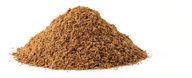 Ground nutmeg
Use 40% of the weight; stir in gently with ground spices, avoiding high direct heat to prevent bitterness.


- Ground nutmeg
Use equal weight, or roughly 1/2 teaspoon for half a whole nutmeg. Stir in near the end of cooking as pre-ground loses aroma quickly.
- Mace blade
Use about 70% of the weight, finely ground. Mace comes from the same fruit and provides a very similar but slightly lighter, more floral warmth.
- Ground mace
Use equal weight. Delivers a slightly sharper, more delicate sweetness to rich kormas and biryanis.


 Rosewater
Use 1 to 2 drops per gram of dried rose petals. Add right at the end of cooking off the heat; highly aromatic, so measure carefully to avoid a soapy finish.
 Screwpine water or rosewater
Use a few drops off the heat. Imparts a sweet, floral aroma to biryanis and desserts without botanical flecks.


Similar dishes

- Same: Both dishes feature chicken cooked in an onion and poppy seed sauce seasoned with coriander, cardamom, cinnamon, cloves, black pepper, and rose aromatics.
- Different: Murg Shahjehani adds cumin seeds and rosewater, but omits the cream, vinegar, nutmeg, mace, and the dough seal used for slow-cooking this dish.

- Same: Both curries feature chicken cooked in an onion and yogurt gravy seasoned with garlic, ginger, green cardamom, cloves, coriander, and black peppercorn.
- Different: Murg ke Mokul uses boiled onion paste, cashew paste, turmeric, bay leaf, and ghee, whereas this dish relies on fried onions, poppy seeds, single cream, white vinegar, cinnamon, mace, nutmeg, and rose petals.

- Same: Sofiyani Pulao shares chicken drumsticks, yogurt, ginger-garlic paste, and whole cardamom, clove, and cinnamon with this dish, and both list dough for sealing during cooking.
- Different: Sofiyani Pulao is a basmati rice pulao with ghee, milk, khoya, almond paste, lemon juice, and green chilli, while this dish is a chicken curry with cream, fried onion and garlic pastes, vinegar, poppy seeds, almonds, rose petals, mace, and nutmeg and no rice.
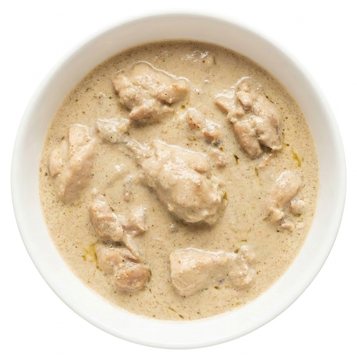
- Same: Chandi Qorma shares with this dish a chicken qorma base built on hung yoghurt, single cream, garlic and ginger pastes, poppy seeds, rose petals, cardamom, clove and nutmeg.
- Different: Chandi Qorma uses ghee, blanched almonds, cashews, char magaz, green chilli, bay leaf and plain onion, while this dish uses drumsticks, dough, white vinegar, fried onion and garlic pastes, mace, cinnamon, black peppercorn and coriander seeds.