
Sofiyani Pulao
A fragrant, gently spiced white pulao layered with succulent chicken simmered in rich yogurt and khoya, then steamed under a dough seal with parboiled basmati rice.
Chicken marinade masala
28 gStirred into the yogurt marinade (step 2)Whole rice spices
3.9 gAdded to the boiling water for the rice (step 4)Everything else

Method
- Preheat the oven to 180°C (350°F).
- In a large bowl, whisk 380 g plain yogurt with 12 g green chilli, 10.2 g lemon juice, 52.8 g ghee, salt to taste, and the chicken marinade masala. Coat 16 chicken drumsticks thoroughly in this mixture and leave to marinate.
- Transfer the chicken drumsticks along with all marinade into a large, heavy-bottomed pan and bring to a boil. Turn the heat down to medium-low and simmer gently for 25 minutes without letting the meat brown or break, stirring occasionally until the yogurt is fully absorbed. Stir in 3 tbsp almond paste and 3 tbsp khoya, check the salt, and remove from the heat.
- In a separate pot, bring 1.5 litres of water to a boil. Add salt to taste and the whole rice spices, then stir in 500 g basmati rice. Cook at an active boil for about 15 minutes until tender on the outside but still firm in the centre, then drain well.
- Place the chicken mixture in a heavy, ovenproof pot and level 500 g drained rice over the top. Pour over 52.8 g ghee and 129 g milk. Fasten the lid securely and seal the rim using 150 g dough (or aluminium foil).
- Bake in the oven for 30 minutes until the rice is fully cooked through. Crack open the dough seal just before serving.
Don't have something?


 Green cardamom seed
Use 35 to 40% of the total pod weight; lightly bruise the seeds before frying in oil to release their essential oils.
 Ground green cardamom
Use 20 to 25% of the pod weight (about 1 generous pinch per pod); stir in toward the end of cooking so the delicate floral notes do not dissipate.
 White cardamom pod
Use 1:1 by pod count or weight; crack gently before using, though it is slightly less intensely floral.


 Ground cloves
Use 1 g ground for 4 g whole (or 1 small pinch per 2 to 3 whole cloves). Add with spice powders; disperses intense warmth quickly, so use with restraint.
 Allspice berries
Use 100% of the weight whole in tempering. Imparts a warm, clove-like aromatic profile combined with hints of nutmeg and cinnamon.
 Black cardamom pod
Use 1 pod for 3 to 4 cloves in whole tempering. Shares a camphor-like warmth and medicinal depth, though it introduces a distinct smoky undertone.


 Ceylon cinnamon
True cinnamon: thinner, papery quills, milder and sweeter. Use about 1.5 times the weight, and taste.
 Ground cinnamon (cassia)
Use about a third of the weight (0.5 g ground for a 2.5 cm piece), stirred in with the ground spices rather than fried whole, since the powder burns quickly.
 Cassia buds
Use 60-70% of the weight; stronger and more peppery, so taste before adding more.


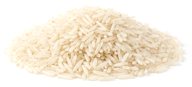
 Plain boiled rice
Use 2.5 times the weight if substituting pre-cooked rice. Fold in gently at the end of the recipe; grains will be shorter and less fragrant.


 Unsalted butter
Use 120% of the weight; melt gently over low heat to avoid burning the milk solids, which will yield a softer, creamier richness rather than a nutty aroma.
 Vegetable oil
Use 85% of the weight; holds high cooking temperatures without smoking, but the final dish will lack traditional dairy depth.
 Mustard oil
Use equal weight; heat to smoking point and cool slightly before cooking, bearing in mind it introduces an assertive, pungent edge.



 Whole milk
Use equal weight; provides the standard rich dairy fat and body expected in creamy Indian bases.
 Single cream
Dilute 3 parts cream with 1 part water to match the weight; yields a richer, glossier gravy that resists curdling.
 Plain yogurt
Whisk thoroughly and use equal weight; adds extra body and a mild pleasant acidity, best added off the heat.


- Plain boiled rice
If dough was intended to accompany a curry (such as flatbreads), serve equal cooked weight of rice instead.


 Chilli powder
Use 10 to 15% of the weight (about 1/4 teaspoon per chilli); imparts dry pungent heat and reddens the dish without the grassy crunch.
 Dried red chilli
Use 1 dried pod per fresh green chilli; snap in half and temper in hot oil for a deeper, toastier heat.


 Fresh ginger
Use equal weight; peel and grate very finely on a microplane or pound to a fine paste in a mortar.
 Ginger
Use equal weight; mince finely and crush with the flat of a knife before frying.
 Ground ginger
Use 20% of the weight; add directly with the dry spice powders, though it yields an earthier, less pungent profile.


 Garlic
Use equal weight; crush or finely grate to a smooth pulp to replicate the same fresh, pungent moisture in your base gravy.
 Garlic powder
Use 20 to 25% of the weight; mix with a teaspoon of water before adding to oil so it does not burn, noting it lacks the fresh bite.


 Lime juice
Use equal volume or weight; delivers almost identical sharp acidity with a faintly more aromatic, bitter-edged profile.
 Dried mango powder
Use 25% of the weight (about 1 g amchoor for 4 g juice); provides clean fruity tartness without thinning the sauce.
 White vinegar
Use 75% of the volume; gives direct sourness without any citrus floral fragrance.


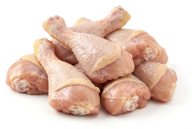
 Chicken leg
Use the same weight; larger pieces, so add 5–10 minutes cooking time and check at the bone.
 Chicken thigh
Use the same weight; boneless thigh cooks faster by 5–10 minutes. More juicy and less bony.
 Chicken pieces
Use the same weight; choose bone-in pieces for similar richness. Adjust time by size.


 Blanched almond paste
Use the same weight; same flavour and texture. Break up lumps before mixing.
 Ground almonds
Use the same weight with 25–30% caster sugar and a little water; less smooth and sweeter.
 Cashew paste
Use the same weight; softer and milder, with less almond flavour. Good in creamy gravies.


 Milk powder
For 100 g khoya use 40 g milk powder whisked with 60 g full cream milk; simmer to a thick paste. Stir often.
 Condensed milk
Use 70% of the weight for khoya and cut sugar by about 30%. Add 10 g milk powder to thicken if needed.
 Full cream milk
For 100 g khoya use about 500 g full cream milk; reduce slowly, stirring, until thick. Takes much longer.


 Yogurt
Use equal weight, whisked thoroughly until smooth before adding to hot dishes to prevent curdling.
 Coconut milk
Use equal weight with 1 teaspoon lemon juice mixed in. Provides rich creaminess in curries, but adds a noticeable coconut flavour.
- Single cream
Use 80% of the weight plus a squeeze of lemon juice for acidity. Enriches sauces nicely, though it is richer and less tangy.


Similar dishes

- Same: Both are mild white pulaos made with chicken and basmati rice gently spiced with green cardamom, cloves, cinnamon, green chillies, ginger, and garlic.
- Different: Murga ka Safed Pulao is simmered in whole milk and finished in the oven with butter and coriander leaves, omitting the yogurt, khoya, lemon juice, ghee, and dough-sealed steaming used in this dish.

- Same: Bhagara Bhaath shares the same basmati rice base cooked in ghee with whole green cardamom, cinnamon, cloves, ginger, and garlic.
- Different: Bhagara Bhaath adds browned onions but omits the chicken, yogurt, khoya, milk, green chillies, lemon juice, and dough-sealed steam cooking found in this dish.
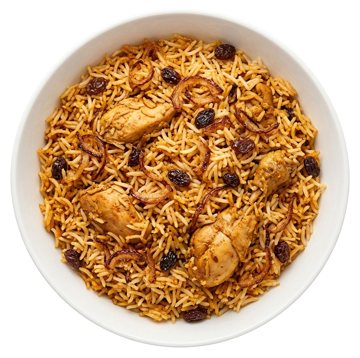
- Same: Murg Biryani shares the same dum-cooking method of layering parboiled basmati rice and chicken under a dough seal with ghee, milk, yogurt, and whole spices like cardamom, cinnamon, and cloves.
- Different: Murg Biryani incorporates red chilli powder, ground cumin, nutmeg, fried onions, poppy seed paste, cream, and floral water, while omitting the khoya, green chillies, and lemon juice used in this dish.

- Same: Both dishes layer parboiled basmati rice with chicken simmered in ghee, yogurt, milk, and whole spices like cinnamon, cardamom, and cloves.
- Different: Odi Pulao includes coconut milk, single cream, cashews, poppy seeds, and bay leaves instead of khoya, and it steams without a dough seal.