Indian cooking
Indian cooking / Dishes / Chandi Qorma
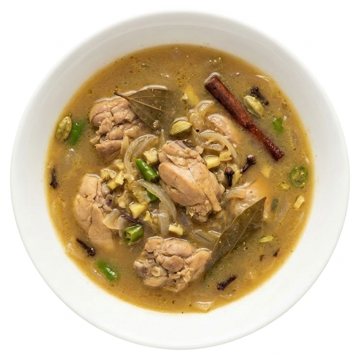
Chandi Qorma (Sterling Chicken)

Chandi Qorma

Sterling Chicken
Non-vegetarian●●●Origin AwadhPrep 1 hour, plus cooling timeCook 45 minutes

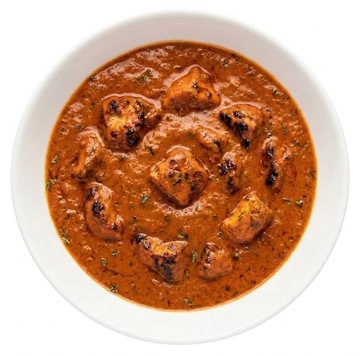
A luxurious, velvety white chicken curry simmered in a fragrant sauce of puréed nuts, yoghurt, floral rose, and warming spices. It is rich and mild with delicate aromatic heat.

Whole spices for the sauce base

2.1 gFried in ghee at the start of the sauce (step 1)
01
1 g2 leaves
spice
02
1.1–1.4 g6–8 pods
spice
Leave whole to bloom in the hot ghee.

Ginger and garlic pastes

26 gDivided between the onion base and the chicken pan (steps 3 and 5)
Stir together into a uniform paste.

Whole spice for the chicken

0.1 gSautéed in ghee before browning the meat (step 5)
01
0.1–0.2 g2–3 cloves
spice
Keep whole.

Finishing spice

2.8 gStirred in with the yoghurt and sauce base (step 7)
01
2.8 g1¼ teaspoons
spice
Grind to a fine powder.

Everything else

01
125 g
oil/fat
03
Cashew nut · Kajuground to a paste
50 g
nut/seed
04
250 g
vegetable
06
Green chilli · Hari Mirchde-seeded and chopped
24 g4 chillies
vegetable
07
13 g1 tablespoon
oil/fat
08
Green chilli · Hari Mirchslit in half lengthways and de-seeded
12 g2 chillies
vegetable
09
1000 g
poultry
11
60 g4 tablespoons
dairy
12
to taste
salt

Method

  1. Warm 125 g ghee in a broad, heavy-bottomed pan set over medium heat, tip in the whole spices for the sauce base, and fry for roughly 1 minute until they darken slightly.
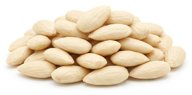
  2. Stir in 50 g almonds and 50 g cashew nut, ground to a paste, cooking for 5 minutes without taking on colour. Add 250 g chopped onion and cook for 2 minutes until translucent.
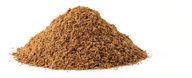
  3. Spoon in half of the ginger and garlic pastes and cook for 1 minute. Add 1.5 tbsp char magaz paste, 1 tsp poppy seed paste, and 24 g chopped green chilli, frying for another 3 to 4 minutes.
  4. Pour in 250 ml hot water and 0.5 tsp ground rose petals. Simmer gently for 10 minutes, then take the pan off the heat, pick out and discard the bay leaf, and set the mixture aside to cool.
  5. Melt 13.2 g ghee in a separate heavy saucepan over medium heat. Sauté the whole spice for the chicken, the remaining ginger and garlic pastes, and 12 g slit green chilli for 2 minutes.
  6. Add 1000 g chicken, cut into cubes, and cook until the liquid released by the meat has almost completely boiled away.
  7. Take the pan off the heat and slowly incorporate 250 g whisked yoghurt to prevent curdling. Mix in the cooled nut sauce, the finishing spice, and salt to taste.
  8. Pour in 250 ml hot water, stir thoroughly, and cook over low heat for about 30 minutes until the chicken is tender. Stir in 60 g single cream, heat gently for 1 minute, then take off the heat.

Don't have something?

Ghee
  • Unsalted butter

    Use 120% of the weight; melt gently over low heat to avoid burning the milk solids, which will yield a softer, creamier richness rather than a nutty aroma.

  • Vegetable oil

    Use 85% of the weight; holds high cooking temperatures without smoking, but the final dish will lack traditional dairy depth.

  • Mustard oil

    Use equal weight; heat to smoking point and cool slightly before cooking, bearing in mind it introduces an assertive, pungent edge.

Bay leaf
  • Cinnamon stick

    Use a 2 cm piece (about 1 g) for every 1 to 2 bay leaves. Fry in whole-spice temperings; provides the cassia-like warmth typical of Indian tejpatta.

  • Ground cinnamon (cassia)

    Use 0.5 g per leaf. Stir into the sauce during simmering; gives the same warm woodiness but darkens the colour slightly.

Green cardamom pod
  • Green cardamom seed

    Use 35 to 40% of the total pod weight; lightly bruise the seeds before frying in oil to release their essential oils.

  • Ground green cardamom

    Use 20 to 25% of the pod weight (about 1 generous pinch per pod); stir in toward the end of cooking so the delicate floral notes do not dissipate.

  • White cardamom pod

    Use 1:1 by pod count or weight; crack gently before using, though it is slightly less intensely floral.

Blanched almond
  • Almond

    Use the same weight; cover with hot water for 5 minutes, then slip off the skins.

  • Blanched split almond

    Use the same weight; they are already peeled and split, so use whole or chop as needed.

  • Cashew nut

    Use the same weight; soak in warm water before grinding. They are softer and richer, so the dish will be creamier.

Cashew nut
  • Almond

    Use 100% of the weight. Soak in boiling water and slip off skins before frying or grinding; gives a lighter, slightly less sweet richness to curries.

  • Poppy seed

    Use 60% of the weight for gravies. Soak in warm water and grind into a fine paste to thicken royal kormas without adding heavy oiliness.

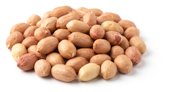
  • Shelled peanut

    Use 100% of the weight. Roast, skin, and grind; creates a thicker, earthier texture typical of Maharashtrian and western Indian curries.

Onion
  • Shallot

    Use equal weight, finely sliced. Shallots soften and brown faster, giving a slightly sweeter and more delicate base to curries.

  • Cabbage

    Use 80% of the weight, finely shredded and browned slowly with a pinch of asafoetida. Replicates the bulk and natural sweetness in gravies without allium.

Garlic paste
  • Garlic

    Use equal weight; crush or finely grate to a smooth pulp to replicate the same fresh, pungent moisture in your base gravy.

  • Garlic powder

    Use 20 to 25% of the weight; mix with a teaspoon of water before adding to oil so it does not burn, noting it lacks the fresh bite.

Ginger paste
  • Fresh ginger

    Use equal weight; peel and grate very finely on a microplane or pound to a fine paste in a mortar.

  • Ginger

    Use equal weight; mince finely and crush with the flat of a knife before frying.

  • Ground ginger

    Use 20% of the weight; add directly with the dry spice powders, though it yields an earthier, less pungent profile.

Char magaz
  • Melon seeds

    Use the same weight; soak in warm water for 20 minutes, rub off any skins and grind. It is the main component, so the dish will be very close but slightly less rich.

  • Blanched almond

    Use 75% of the weight; soak in warm water and grind to a paste. Adds a sweeter, nuttier thickness.

  • Cashew nut

    Use 70% of the weight; soak and grind. Makes the gravy richer and creamier.

Poppy seed
  • Cashew nut

    Use equal weight. Soak in warm water for 20 minutes and grind to a smooth paste; produces an even creamier, slightly richer gravy than poppy seeds.

  • White sesame seed

    Use equal weight. Soak and grind finely; provides similar thickening and body with a slightly nuttier, faintly bitter edge.

  • Almond

    Use equal weight. Blanch, peel, and grind finely with a splash of water; lends a velvety body and gentle sweetness to gravies.

Green chilli
  • Chilli powder

    Use 10 to 15% of the weight (about 1/4 teaspoon per chilli); imparts dry pungent heat and reddens the dish without the grassy crunch.

  • Dried red chilli

    Use 1 dried pod per fresh green chilli; snap in half and temper in hot oil for a deeper, toastier heat.

Rose petal
  • Dried rose petals

    Use 30–40% of the fresh weight; soak in warm water for 10 minutes before use.

  • Pink rose petal

    Use the same weight if edible and unsprayed; check for bitterness.

  • Rosewater

    Use about 1 tsp per 100 g of petals for aroma only; it gives no texture.

Clove
  • Ground cloves

    Use 1 g ground for 4 g whole (or 1 small pinch per 2 to 3 whole cloves). Add with spice powders; disperses intense warmth quickly, so use with restraint.

  • Allspice berries

    Use 100% of the weight whole in tempering. Imparts a warm, clove-like aromatic profile combined with hints of nutmeg and cinnamon.

  • Black cardamom pod

    Use 1 pod for 3 to 4 cloves in whole tempering. Shares a camphor-like warmth and medicinal depth, though it introduces a distinct smoky undertone.

Skinless boneless chicken
  • Boneless chicken

    Use the same weight; cut to the same size and cook as directed. Skinless boneless chicken is simply the skin-free version.

  • Boneless chicken thigh

    Use the same weight; it is juicier and slightly fattier, so simmer 3–5 minutes longer and skim excess fat if needed.

  • Boneless chicken breast

    Use the same weight; it is leaner and dries out faster, so reduce the simmering time by 3–5 minutes.

Hung yoghurt
  • Hung natural yoghurt

    Use the same weight. The names are used interchangeably; check seasoning.

  • Greek yoghurt

    Use the same weight. It is thick enough for marinades and raitas, with a slightly sharper taste.

  • Full-fat natural yoghurt

    Use about 175% of the weight and strain through muslin for 3–4 hours to get the same thick weight.

Ground nutmeg
  • Nutmeg

    Grate whole nutmeg finely on a microplane; use 80% to 100% of the weight. Freshly grated nutmeg has significantly more aromatic oils and a more vibrant aroma.

  • Ground mace

    Use 100% to 120% of the weight. Mace is nutmeg's outer husk, providing almost identical warmth but with a lighter, slightly more delicate, floral edge.


  • Ground cinnamon (cassia)

    Use 75% of the weight. Adds comparable warmth and sweetness, though it lacks the musky, nutty undertone of nutmeg.

Single cream
  • Whole milk

    Use equal weight, whisked with a small knob of unsalted butter. Simmer gently over low heat to reduce curdling; sauce will be slightly lighter.

  • Clotted cream

    Use 50% weight combined with 50% whole milk, whisked until smooth. Adds intense richness, so stir in at the very end off the heat.

  • Cashew paste

    Use 60% cashew paste mixed with 40% warm water. Creates a silky, luxurious thickening that won't split even under high heat.

Similar dishes

Chicken Ishtoo
Indian-Style Chicken Stew
Chicken Ishtoo is lighter, brothier, and sharper with ginger heat, lacking the rich, velvety nuttiness of this dish.
  • Same: Both dishes base their flavours on onions, garlic, ginger, and green chillies infused with whole bay leaves, cloves, and green cardamom.
  • Different: Chicken Ishtoo is braised into a light broth using vegetable oil and adds cinnamon sticks and sliced ginger, omitting the ghee, cashew nut purée, single cream, and nutmeg used in this dish.
Khad Murg
Baked Chicken
Khad Murg tastes deeply savoury with saffron and citrus and crisp buttery bread, while this dish is richer, milder and more floral-nutty from nuts, rose and cream.
  • Same: Khad Murg shares skinless boneless chicken, ghee, yoghurt, almond, garlic and ginger pastes, and whole spices such as bay leaf, green cardamom and clove with this dish.
  • Different: Khad Murg uses chicken stock, saffron milk, lemon juice, black cardamom, cinnamon and handkerchief bread, and it is braised then baked wrapped in flatbread; this dish uses onion, cashew, char magaz, poppy seed, rose petal, nutmeg and cream in a simmered white nut-and-yoghurt curry.
Murgh Makhni
Chicken Tikka in Creamed Fresh Tomatoes
Murgh Makhni tastes tangier, smokier, and more robustly spiced, whereas this dish is milder, nuttier, and sweeter from nutmeg and cardamom.
  • Same: Murgh Makhni also pairs chicken with a rich sauce made from single cream, ginger, garlic, green chillies, cloves, and bay leaf.
  • Different: Murgh Makhni features charred chicken tikka cooked with butter, oil, yogurt, cinnamon, and kasuri methi, whereas this dish simmers chicken directly in ghee, cashew paste, onions, cardamom, and nutmeg.
Shahi Qorma
Prince-like Chicken Curry
Shahi Qorma tastes mild and deeply aromatic from saffron, kewra, mace, and warm spices, whereas this dish tastes richer and nuttier with rose and a delicate aromatic heat.
  • Same: Shahi Qorma shares with this dish a chicken base cooked in ghee with hung yoghurt, onion, ginger-garlic paste, green cardamom, clove, bay leaf, and blanched almonds.
  • Different: Shahi Qorma adds saffron milk, cinnamon, coriander, chilli powder, garam masala, mace, ground cardamom, white pepper, kewra, and silver leaf, while it lacks this dish's cashews, char magaz, poppy seeds, rose petals, nutmeg, single cream, and fresh green chillies.