Indian cooking
Indian cooking / Dishes / Murg ke Mokul
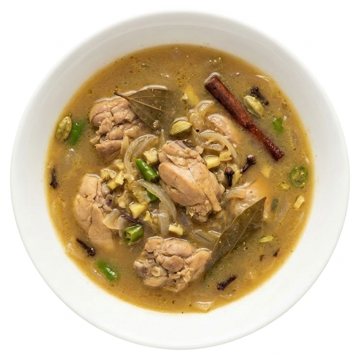
Murg ke Mokul (Mildly Spiced Chicken)

Murg ke Mokul

Mildly Spiced Chicken
Non-vegetarian●●●Origin RajasthanPrep 30–45 minutesCook 50 minutes

A velvety, mildly spiced chicken curry enriched with a fragrant sauce of yogurt, cashew paste, and boiled onions. It has a gentle, warming aroma and a silky, lightly creamy finish.

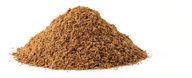
ground spices

9 gMixed with water and fried into the sauce base (step 4)
01
3.6 g2 teaspoons
spice
02
2.6 g1 teaspoon
spice
03
3 g1 teaspoon
spice
Blend with 4 tablespoons of water into a loose paste.

whole spices

2.6 gFried in the hot ghee to flavour it (step 2)
01
0.4 g5 cloves
spice
03
0.5 g10 peppercorns
spice
04
1 g2 leaves
spice
Leave whole; they will be infused into the fat and discarded.

ginger and garlic pastes

65 gFried with the softened onions (step 3)
Stir together in a small bowl.

Everything else

01
66 g5 tablespoons
oil/fat
02
150 g
vegetable
05
Skinless boneless chicken breast · Murgh ka Seenacut into 1-cm / ½-inch thick strips
750 g
poultry
06
30 g2 tablespoons
dairy
07
254 g250 ml
dairy
08
to taste
salt

Method

  1. In a small bowl, mix the ground spices (3.6 g ground coriander, 2.6 g chilli powder and 3 g ground turmeric) with 4 tablespoons of water to form a smooth paste.
  2. Melt 66 g ghee in a large, heavy pan over medium heat. Add the whole spices (0.4 g clove, 0.7 g green cardamom pod, 0.5 g black peppercorn and 1 g bay leaf) and 2 blades of mace, frying for about 1 minute until the cardamom pods colour. Remove and discard the whole spices from the fat using a slotted spoon.
  3. Add 150 g chopped onion to the pan and fry for about 2 minutes until glossy and translucent. Add the ginger and garlic pastes (39 g garlic paste and 26 g ginger paste) and fry for another 2 minutes until the onions turn pale golden.
  4. Add the ground spices paste and fry for 1 to 2 minutes until small droplets of oil separate on the surface. Add 150 g boiled onion paste and cook for 1 to 2 minutes until oil beads appear again. Stir in 31.2 g cashew paste and fry for 1 to 2 minutes until oil surfaces once more.
  5. Add 750 g chicken strips and 2 tablespoons cream, then stir-fry for roughly 5 minutes. Pour in 500 ml water and bring the liquid to a rolling boil.
  6. Take the pan off the heat, mix in 254 g whisked plain yogurt thoroughly, then return the pan to the stove and bring it just shy of a boil.
  7. Turn the heat down to low, cover with a lid, and simmer gently for about 30 minutes, stirring occasionally, until the chicken is tender and the sauce is thin and fluid. Remove from the heat and adjust with salt to taste.

Don't have something?

Ground coriander
  • Coriander seeds

    Dry-roast lightly in a pan and grind to a fine powder; use equal weight (1:1). Offers a noticeably fresher, brighter citrus note.

  • Ground cumin

    Use 50% to 75% of the weight. Lacks the floral, citrusy profile of coriander and turns the gravy heavier, earthier, and darker.

  • Garam masala

    Use 50% of the weight and stir in near the end of cooking. Adds warmth and depth since it contains ground coriander, but introduces stronger spices like clove and cinnamon.

Chilli powder
  • Red chilli powder

    Use 100% of the weight. Provides direct, sharp heat and red colour in equal measure.

  • Kashmiri chilli powder

    Use 150% to 200% of the weight if matching colour, but add a pinch of black pepper or hot chilli if you need equivalent fiery heat.

  • Cayenne pepper

    Use 75% to 100% of the weight. Offers a sharp, clean heat with slightly less earthy depth and less crimson colour.

Ground turmeric
  • Ground ginger

    Use 50% of the weight. Mimics turmeric's warm, earthy, rhizome background, but provides none of the golden-yellow colour.

  • Saffron

    Steep a tiny pinch (0.1 g per 2 g turmeric) in 2 tbsp warm water; use to match the rich golden hue. Contributes an aristocratic, honeyed floral flavour rather than earthy bitterness.

Ghee
  • Unsalted butter

    Use 120% of the weight; melt gently over low heat to avoid burning the milk solids, which will yield a softer, creamier richness rather than a nutty aroma.

  • Vegetable oil

    Use 85% of the weight; holds high cooking temperatures without smoking, but the final dish will lack traditional dairy depth.

  • Mustard oil

    Use equal weight; heat to smoking point and cool slightly before cooking, bearing in mind it introduces an assertive, pungent edge.

Clove
  • Ground cloves

    Use 1 g ground for 4 g whole (or 1 small pinch per 2 to 3 whole cloves). Add with spice powders; disperses intense warmth quickly, so use with restraint.

  • Allspice berries

    Use 100% of the weight whole in tempering. Imparts a warm, clove-like aromatic profile combined with hints of nutmeg and cinnamon.

  • Black cardamom pod

    Use 1 pod for 3 to 4 cloves in whole tempering. Shares a camphor-like warmth and medicinal depth, though it introduces a distinct smoky undertone.

Green cardamom pod
  • Green cardamom seed

    Use 35 to 40% of the total pod weight; lightly bruise the seeds before frying in oil to release their essential oils.

  • Ground green cardamom

    Use 20 to 25% of the pod weight (about 1 generous pinch per pod); stir in toward the end of cooking so the delicate floral notes do not dissipate.

  • White cardamom pod

    Use 1:1 by pod count or weight; crack gently before using, though it is slightly less intensely floral.

Black peppercorn
  • Coarsely ground black pepper

    Use 75% of the weight. Add midway through simmering; spreads heat evenly through the dish instead of delivering isolated bursts.

  • Ground black pepper

    Use 50% of the weight. Stir in near the end of cooking; significantly darkens light gravies and provides an immediate, sharp bite.

Bay leaf
  • Cinnamon stick

    Use a 2 cm piece (about 1 g) for every 1 to 2 bay leaves. Fry in whole-spice temperings; provides the cassia-like warmth typical of Indian tejpatta.

  • Ground cinnamon (cassia)

    Use 0.5 g per leaf. Stir into the sauce during simmering; gives the same warm woodiness but darkens the colour slightly.

Mace blade
  • Ground mace

    Use 0.5 g ground mace for 1 g mace blade; add towards the end of frying spices as ground powder burns much quicker than whole blades.

  • Nutmeg

    Grate finely, using 50% of the weight; sweeter, deeper, and slightly heavier in aroma than delicate mace.

  • Ground nutmeg

    Use 40% of the weight; stir in gently with ground spices, avoiding high direct heat to prevent bitterness.

Onion
  • Shallot

    Use equal weight, finely sliced. Shallots soften and brown faster, giving a slightly sweeter and more delicate base to curries.

  • Cabbage

    Use 80% of the weight, finely shredded and browned slowly with a pinch of asafoetida. Replicates the bulk and natural sweetness in gravies without allium.


Garlic paste
  • Garlic

    Use equal weight; crush or finely grate to a smooth pulp to replicate the same fresh, pungent moisture in your base gravy.

  • Garlic powder

    Use 20 to 25% of the weight; mix with a teaspoon of water before adding to oil so it does not burn, noting it lacks the fresh bite.

Ginger paste
  • Fresh ginger

    Use equal weight; peel and grate very finely on a microplane or pound to a fine paste in a mortar.

  • Ginger

    Use equal weight; mince finely and crush with the flat of a knife before frying.

  • Ground ginger

    Use 20% of the weight; add directly with the dry spice powders, though it yields an earthier, less pungent profile.

Boiled onion paste
  • Onion paste

    Use the same weight, then simmer in a little water for 5–8 minutes and cool; raw paste is sharper and stronger.

  • Fried onion paste

    Use about 75% of the weight; it is sweeter, darker and stronger, so reduce salt and sugar slightly.

  • Boiled onion

    Use the same weight, boil until soft and blend; it is the same thing made fresh.

Cashew paste
  • Cashew nut

    Use 100% of the weight. Soak raw cashews in boiling water for 20 minutes, then blend with just enough water to form a silky, thick paste.

  • Almond

    Use 100% of the weight. Blanch, peel skins completely, and blend with warm water until velvety; gravies will be marginally less sweet.

  • Single cream

    Use 80% of the weight. Stir in near the end of cooking over low heat; provides luxurious gloss and fat without the nut solids.

Skinless boneless chicken breast
  • Boneless chicken breast

    Use the same weight; it is the same cut without the skin, so cook exactly as directed.

  • Skinless boneless chicken

    Use the same weight; cut to the same size and cook as directed. It may include mixed white and dark meat, so it stays juicier.

  • Boneless chicken thigh

    Use the same weight; it is juicier and needs 3–5 minutes longer simmering. Reduce oil slightly if the sauce looks fatty.

Clotted cream
  • Double cream

    Use 100% of the weight. Stir straight into curries off the heat; mimics the rich, buttery mouthfeel of clotted cream or fresh malai.

  • Single cream

    Use 100% of the weight. Simmer the sauce for a few extra minutes to evaporate excess moisture and thicken the texture.

  • Milk solids

    Use 70% of the weight, whisked with a splash of whole milk. Imparts deep, cooked-milk richness with a subtle graininess suited to Mughlai gravies.

Plain yogurt
  • Yogurt

    Use equal weight, whisked thoroughly until smooth before adding to hot dishes to prevent curdling.

  • Coconut milk

    Use equal weight with 1 teaspoon lemon juice mixed in. Provides rich creaminess in curries, but adds a noticeable coconut flavour.

  • Single cream

    Use 80% of the weight plus a squeeze of lemon juice for acidity. Enriches sauces nicely, though it is richer and less tangy.

Similar dishes

Thengakkai Kori
Chicken Curry (II)
Thengakkai Kori is spicier and distinctively coconut-rich, whereas this dish is milder and nuttier from the cashew and ghee.
  • Same: Both chicken curries share a base of yogurt, onions, ginger, garlic, cloves, green cardamom, and turmeric.
  • Different: Thengakkai Kori uses vegetable oil, coconut milk, and cinnamon rather than ghee, cashew paste, boiled onion paste, coriander, and black pepper.
Chicken Ishtoo
Indian-Style Chicken Stew
Chicken Ishtoo tastes lighter and brothier with green-chilli heat and whole-spice aroma, while this dish is silkier, creamier and gently sour from yogurt.
  • Same: Chicken Ishtoo shares mild spicing, onion, ginger and garlic pastes, and whole bay leaf, green cardamom and clove with this dish.
  • Different: Chicken Ishtoo uses vegetable oil, cinnamon, fresh ginger and green chillies and braises chicken in a light broth, while this dish uses ghee, yogurt, cashew paste, boiled onion paste and clotted cream for a creamy sauce.
Shahi Qorma
Prince-like Chicken Curry
Shahi Qorma tastes richer and more intensely floral and warm-spiced, whereas this dish has a milder, nuttier flavor rounded out by cashew paste.
  • Same: Both are chicken curries cooked in ghee seasoned with onion, ginger, garlic, bay leaves, cloves, green cardamom, coriander, and chilli powder.
  • Different: Shahi Qorma uses more than twice as much ghee and includes cinnamon, mace, garam masala, saffron, and kewra water, but it omits this dish's cashew paste, boiled onion paste, and turmeric.
Khad Murg
Baked Chicken
Khad Murg tastes sharper, more citrusy, and floral from lemon juice and saffron rather than mildly spiced, sweet, and nutty like this cashew- and onion-based curry.
  • Same: Khad Murg shares chicken, yogurt, ghee, ginger and garlic pastes, and warm spices like cloves, bay leaf, and green cardamom with this dish.
  • Different: Instead of simmering chicken in a cashew and onion sauce on the stovetop, Khad Murg adds saffron, cinnamon, black cardamom, and lemon juice, then wraps the braised meat in roomali roti and bakes it.