
Lamb Haleem with Fresh Ginger
Lamb haleem is a thick, slow-cooked stew of lamb, wheat and lentils, finished with fried onions, fresh herbs and puffed wheat. It tastes savoury and warming, with gentle chilli heat and a creamy, textured body from the grains and pulses.
Whole spices for the lamb
3.8 gFried with the lamb in the oil (step 2)Ginger garlic paste
120 gDivided between the lamb (step 3) and the ghee base (step 7)Ground spices for the ghee base
22 gStirred into the ghee with the green chilli (step 7)Finishing garam masala
8 gStirred in with the herbs (step 9)Everything else

Method
- Heat 13.5 g vegetable oil in a frying pan over medium-high heat.
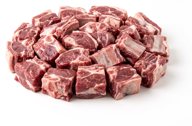
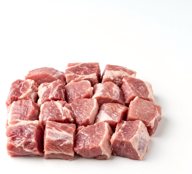
- Add 500 g lamb shoulder and 500 g lamb leg, both cut into 2.5 cm (1 in) pieces, and fry with the whole spices for the lamb (0.4 g green cardamom, 1.9 g black cardamom, 1.1 g clove and 0.4 g indian bay leaf) for 2–3 minutes, until lightly browned.
- Stir in about one-third of the 120 g ginger garlic paste and 11 g sea salt. Cover and cook over low to medium heat for about 1 hour, until the lamb is tender.
- Put 100 g wheat grain, 25.2 g yellow moong dal, washed, 25.2 g channa dal, washed, and 25.8 g urad dal, washed, into a large saucepan and cover with water.
- Bring to the boil, then cover and simmer for about 40 minutes, until the grains and dals are fully cooked and the water has been absorbed.
- Blend the cooked grain and dal mixture with a stick blender until smooth.
- Heat 100 g ghee in a large, deep saucepan. Add the rest of the ginger garlic paste, the ground spices for the ghee base (5.4 g ground coriander, 7.8 g kashmiri chilli powder and 9 g ground turmeric) and 24 g green chilli, finely chopped; stir over medium heat for 1–2 minutes.
- Add the cooked lamb to the saucepan and stir for 3–4 minutes.
- Set aside a small handful of the 100 g coriander leaves, chopped, and 100 g mint leaf, finely julienned, for garnish. Stir the rest into the saucepan with the finishing garam masala (7.8 g).
- Taste and adjust the salt. Scatter over 300 g onion, fried, the reserved coriander and mint, and 30 g puffed wheat.
Don't have something?


 Peanut oil
Use 1:1 by weight. Handles high-heat frying identically and introduces a very subtle, pleasant nuttiness.
 Ghee
Use 1:1 by weight. Yields a much richer, authentic aroma and a glossy, heavier mouthfeel.
 Mustard oil
Use 1:1 by weight. Heat until smoking, then cool slightly before cooking to temper its intensely pungent, sharp mustard kick.




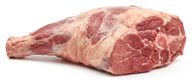 Leg of lamb
Use the same weight; cook as directed, allowing extra time if bone-in.
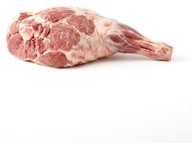 Lamb hind leg
Use the same weight; practically the same cut, so follow the recipe timings.
- Lamb shoulder
Use the same weight; fattier and softer, so skim fat and cook 10–15 minutes longer.


 Green cardamom seed
Use 35 to 40% of the total pod weight; lightly bruise the seeds before frying in oil to release their essential oils.
 Ground green cardamom
Use 20 to 25% of the pod weight (about 1 generous pinch per pod); stir in toward the end of cooking so the delicate floral notes do not dissipate.
 White cardamom pod
Use 1:1 by pod count or weight; crack gently before using, though it is slightly less intensely floral.


 Ground black cardamom
Use 0.5 g of ground seeds for each whole pod. Stir directly into the curry base; delivers identical smoky flavour without woody husks.
- Green cardamom pod
Use equal pod count or weight. Crack slightly and fry whole; tastes sweet, menthol-fresh, and floral rather than dark and smoky.


 Ground cloves
Use 1 g ground for 4 g whole (or 1 small pinch per 2 to 3 whole cloves). Add with spice powders; disperses intense warmth quickly, so use with restraint.
 Allspice berries
Use 100% of the weight whole in tempering. Imparts a warm, clove-like aromatic profile combined with hints of nutmeg and cinnamon.
- Black cardamom pod
Use 1 pod for 3 to 4 cloves in whole tempering. Shares a camphor-like warmth and medicinal depth, though it introduces a distinct smoky undertone.


 Bay leaf
Use the same number or weight. Ordinary bay is milder and lacks the cinnamon-clove note; add early and remove before serving.
 Cassia bark (Chinese cinnamon)
Use about 1 g cassia for every 2 g Indian bay leaf. It gives a warm cinnamon note but not a true laurel flavour; remove before serving.
- Cinnamon stick
Use a small 1 cm piece for 2 leaves. It adds warm sweetness but not bay flavour; remove before serving.


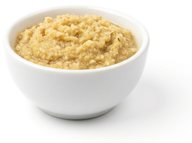
- Ginger and garlic paste
Use the same weight; the difference is only the order of the names.
 Garlic paste
Mix with an equal weight of ginger paste and use the same total weight.
 Garlic
For 20 g paste use about 10 g crushed garlic and 10 g grated ginger root with a splash of water. Add a little extra water if the dish looks dry.


 Bulgur wheat
Use the same weight. Cracked and par-cooked; cooks in about half the time, so add later.
- Dalia or cracked wheat
Use the same weight. Smaller pieces; cooks faster, so check after 10 minutes.
 Rice
Use the same weight. Different texture; cooks in 15–20 minutes, so adjust liquid and time.


 Split green mung beans
Use the same weight; slightly earthier and greener, with similar cooking time.
 Split mung beans
Use the same weight; essentially the same dal, so adjust only the colour and slight flavour.
 Red lentils
Use the same weight; cooks faster and softer, and turns pink, so reduce cooking time.


 Yellow split peas
Use 100% of the weight. Soak for at least 1 hour; takes about 10 minutes longer to cook through and has a marginally earthier flavour.
 Pigeon peas
Use 100% of the weight. Reduces cooking time by about 10 minutes and breaks down softer, giving a smoother consistency rather than distinct grains.
 Black gram
For tempering or tadka only: use 70% of the weight. Browns faster in hot oil, providing a nutty, crunchy bite.


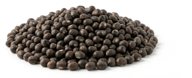 Whole black gram
Use equal weight. Needs longer soaking and cooking; the dark skins impart an earthy flavour and greyish-black hue unless thoroughly rubbed off.
- Chana dal
Use equal weight when tempering (tadka). Provides a comparable nutty, crunchy texture in hot oil, though grains are slightly larger.
- Split mung beans
Use equal weight for batters or dals. Ferments and cooks faster, producing a lighter, less sticky, and less viscous consistency.

 Unsalted butter
Use 120% of the weight; melt gently over low heat to avoid burning the milk solids, which will yield a softer, creamier richness rather than a nutty aroma.
- Vegetable oil
Use 85% of the weight; holds high cooking temperatures without smoking, but the final dish will lack traditional dairy depth.
- Mustard oil
Use equal weight; heat to smoking point and cool slightly before cooking, bearing in mind it introduces an assertive, pungent edge.





 Coriander seeds
Dry-roast lightly in a pan and grind to a fine powder; use equal weight (1:1). Offers a noticeably fresher, brighter citrus note.
 Ground cumin
Use 50% to 75% of the weight. Lacks the floral, citrusy profile of coriander and turns the gravy heavier, earthier, and darker.
 Garam masala
Use 50% of the weight and stir in near the end of cooking. Adds warmth and depth since it contains ground coriander, but introduces stronger spices like clove and cinnamon.


 Dried kashmiri chilli
Grind deseeded dried pods to an equal weight of powder; gives identical vivid red colour and gentle warmth.
 Red chilli powder
Use 25% of the weight mixed with sweet paprika for colour; straight red chilli powder is substantially hotter and will make the dish fiery.
 Chilli powder
Use one-third of the weight; the sauce will be less intensely red and notably sharper in heat.


 Ground ginger
Use 50% of the weight. Mimics turmeric's warm, earthy, rhizome background, but provides none of the golden-yellow colour.
 Saffron
Steep a tiny pinch (0.1 g per 2 g turmeric) in 2 tbsp warm water; use to match the rich golden hue. Contributes an aristocratic, honeyed floral flavour rather than earthy bitterness.


- Chilli powder
Use 10 to 15% of the weight (about 1/4 teaspoon per chilli); imparts dry pungent heat and reddens the dish without the grassy crunch.
 Dried red chilli
Use 1 dried pod per fresh green chilli; snap in half and temper in hot oil for a deeper, toastier heat.


 Coriander (cilantro) or basil
Use the same weight, choosing the coriander element if available. If only basil is available, expect a sweeter, more aniseed flavour.
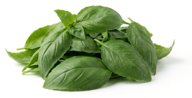 Basil leaves
Use the same weight. Basil is sweeter and more aromatic in a different way; add near the end so it keeps its perfume.
 Coriander paste
Use 1.5 times the weight and reduce other liquid slightly; it is less fresh and more concentrated, so taste before adding more.


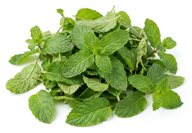 Mint leaves
Use the same weight; identical herb, just the plural listing.
 Dried mint
Use 25% of the fresh weight, about 1 g dried for 4 g fresh; crush between fingers. Flavour is stronger and slightly hay-like.
 Coriander leaf
Use the same weight; it gives a fresh green note but not true mint flavour.


- Ground cumin
Use 50% of the weight mixed with equal parts ground coriander and a pinch of ground cinnamon, ground cloves, and ground green cardamom. Sprinkle near the end for a warming finish.
 Lentil stew spice mix
Use 75% of the weight. Simmer briefly in the gravy; imparts roasted warmth and complexity, though it adds a slight tang and earthy lentil undertone.


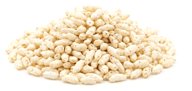 Puffed rice
Use the same weight. It is lighter and crisper, so add it at the very end to avoid softening.
 Poha
Use the same weight and dry-roast until crisp before use. It is flatter and less puffy, with a softer bite.
 Puffed lotus seed
Use the same weight and break larger pieces up. The texture is crunchier and the flavour more neutral.


Similar dishes
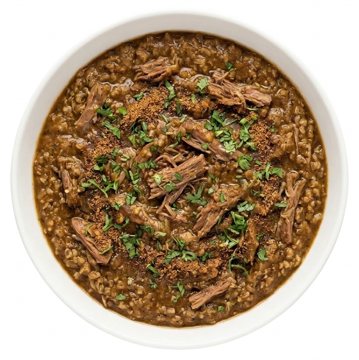
- Same: Halim shares slow-cooked lamb, onion, ginger-garlic paste, turmeric, chilli powder and garam masala with this dish. Both are thick, savoury meat-and-wheat porridges with tender shredded meat.
- Different: Halim uses bulgur wheat instead of whole wheat grain plus moong, channa and urad dal. It uses much more ghee or oil and onion, has no cardamom, clove or bay leaf, no fresh mint or puffed wheat topping, and adds a lime wedge for sourness.
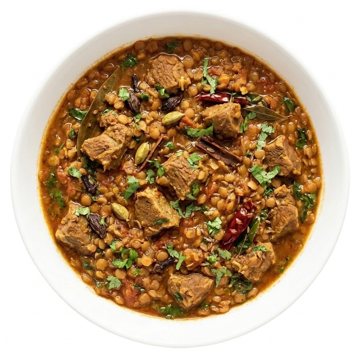
- Same: Lamb Dalcha shares lamb, lentils, onion, ginger-garlic, cardamom, clove, bay leaf, turmeric, coriander and fresh mint and coriander with this dish.
- Different: Lamb Dalcha uses only masoor dal, bone-in lamb shoulder, tomato and lemon juice, and finishes with a vegetable-oil tadka of cumin seed, dried chilli and curry leaf; this dish uses wheat grain, three dals, ghee, puffed wheat and no tomato or lemon.

- Same: Sikampoor Kebab (I) shares lamb, chana dal, onion, green chilli, turmeric, cardamom and coriander leaf with this dish.
- Different: It uses minced lamb and only chana dal, adds an egg-white stuffing and deep-fries in vegetable oil, while this dish slow-cooks lamb cuts with wheat, moong dal, urad dal, ghee, ginger garlic paste, mint and puffed wheat; neither lists a souring agent.

- Same: Dalcha Gosht shares with this dish lamb, ghee, onion, ginger, garlic, green chilli, turmeric, chilli powder, coriander, bay leaf, green and black cardamom, and clove, and both are slow-cooked lamb dishes with lentils.
- Different: Dalcha Gosht uses only chana dal and adds yogurt, lemon juice, cinnamon, mace, curry leaf, steamed rice, and a garlic dried-red-chilli ghee tempering, while this dish uses wheat grain, moong dal, urad dal, vegetable oil, puffed wheat, coriander leaves, mint, and garam masala and is pounded to a thick haleem texture.