Indian cooking
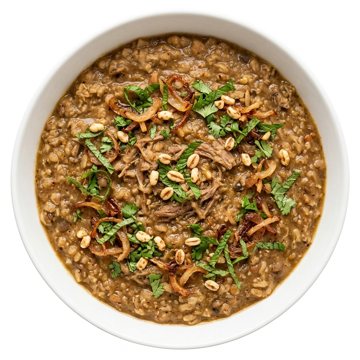
Halim (Ceremonial Meat Porridge)

Halim

Ceremonial Meat Porridge
Non-vegetarian●●●Origin HyderabadPrep 30 minutesCook 1½–2 hours

A slow-cooked, deeply savoury meat and cracked wheat porridge infused with ginger, garlic, and warm spices. It develops a rich, thick texture with tender shreds of meat.

sauté spices

78 gAdded with the ground aromatics (step 2)
Mix together into a smooth paste.

finishing spices

31 gSprinkled over the surface before serving (step 5)
01
31 g4 tablespoons
spice blend
Keep separate for scattering over the finished dish.

Everything else

02
900 g6 onions
vegetable
03
600 g4 onions
vegetable
04
30 g10 cloves
aromatic
05
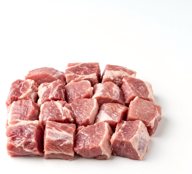
Lamb shoulder · Dastcut into 5-cm / 2-inch pieces
1000 g
meat
06
274 g1½ cups
grain
07
2 g2 tablespoons
herb
08
to taste
salt
09
to taste
fruit

Method

  1. Warm 216 g ghee or vegetable oil in a large, heavy-bottomed pan set over medium heat. Fry 6 sliced onions for about 5 minutes until browned.
  2. Tumble in 4 ground onions, 30 g garlic, 2 tsp turmeric, and the sauté spices. Fry for approximately 1 minute until the mixture darkens in colour.
  3. Add 1000 g meat cut into 5-cm pieces and stir-fry for 15 minutes.
  4. Mix in 1.5 cups bulgar wheat thoroughly and continue to stir-fry for 15 minutes. Season with salt to taste and pour in 2 litres of water. Lower the heat to low, cover, and gently simmer for 1½ hours, stirring from the base at least twice to stop the wheat sticking. Cook until almost all the liquid has been absorbed and oil rises to the surface.
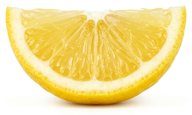
  5. Scatter the finishing spices and 2 g coriander leaf across the top, then serve with lime wedges.

Don't have something?

Ghee or vegetable oil
  • Peanut oil

    Use equal weight; handles high tempering heat well and keeps flavours neutral.

  • Butter

    Use equal weight; cook over gentle heat to prevent browning the milk solids too quickly.

Onion
  • Shallot

    Use equal weight, finely sliced. Shallots soften and brown faster, giving a slightly sweeter and more delicate base to curries.

  • Cabbage

    Use 80% of the weight, finely shredded and browned slowly with a pinch of asafoetida. Replicates the bulk and natural sweetness in gravies without allium.

Garlic
  • Garlic paste

    Use equal weight. Fry gently in oil or ghee with the ginger; incorporates smoothly into curries without visible minced bits.

  • Garlic powder

    Use 15% to 20% of the weight (about 1 g for every 5 to 6 g fresh cloves). Whisk into sauces; gives a savoury, toasted garlic flavour without raw pungency.

  • Shallot

    Use 1.5 times the weight, very finely minced. Sauté until golden; provides savoury allium sweetness, though it lacks garlic's pungent sulphur bite.

Ginger paste
  • Fresh ginger

    Use equal weight; peel and grate very finely on a microplane or pound to a fine paste in a mortar.

  • Ginger

    Use equal weight; mince finely and crush with the flat of a knife before frying.

  • Ground ginger

    Use 20% of the weight; add directly with the dry spice powders, though it yields an earthier, less pungent profile.

Garlic paste
  • Garlic

    Use equal weight; crush or finely grate to a smooth pulp to replicate the same fresh, pungent moisture in your base gravy.

  • Garlic powder

    Use 20 to 25% of the weight; mix with a teaspoon of water before adding to oil so it does not burn, noting it lacks the fresh bite.

Ground turmeric
  • Ground ginger

    Use 50% of the weight. Mimics turmeric's warm, earthy, rhizome background, but provides none of the golden-yellow colour.

  • Saffron

    Steep a tiny pinch (0.1 g per 2 g turmeric) in 2 tbsp warm water; use to match the rich golden hue. Contributes an aristocratic, honeyed floral flavour rather than earthy bitterness.

Chilli powder
  • Red chilli powder

    Use 100% of the weight. Provides direct, sharp heat and red colour in equal measure.

  • Kashmiri chilli powder

    Use 150% to 200% of the weight if matching colour, but add a pinch of black pepper or hot chilli if you need equivalent fiery heat.

  • Cayenne pepper

    Use 75% to 100% of the weight. Offers a sharp, clean heat with slightly less earthy depth and less crimson colour.

Lamb shoulder
  • Lamb

    Use equal weight of diced lamb leg; cooks 15 minutes faster but has less gelatinous richness in slow braises.

  • Pork

    Use equal weight of pork shoulder; slow-cooks in roughly three-quarters of the time and produces a slightly sweeter gravy.

Bulgur wheat
  • Coarse semolina

    Use the same weight; toast it first and use slightly less water, as it absorbs less and is less chewy.

  • Broken rice

    Use the same weight; it is gluten-free and less chewy, so cook a little longer and adjust water.

  • Quinoa

    Use the same weight; cook separately and drain, as it is nuttier and quicker. It will not give the same cracked-wheat bite.

Garam masala
  • Ground cumin

    Use 50% of the weight mixed with equal parts ground coriander and a pinch of ground cinnamon, ground cloves, and ground green cardamom. Sprinkle near the end for a warming finish.


  • Lentil stew spice mix

    Use 75% of the weight. Simmer briefly in the gravy; imparts roasted warmth and complexity, though it adds a slight tang and earthy lentil undertone.

Coriander leaf
  • Coriander

    Use equal weight finely chopped; this is the exact same fresh herb.

  • Mint

    Use half the weight finely chopped; provides vibrant green freshness, though the flavour profile becomes noticeably cooler and sharper.

Lime wedge
  • Lemon wedge

    Use the same weight; more sour and less floral, so adjust salt and sugar.

  • Lime juice

    Use 10–15 g juice per wedge; add at the end; it loses the peel aroma.

  • Lemon juice

    Use 10–15 g per wedge; sharper; taste before adding more.

Similar dishes

Lamb Haleem with Fresh Ginger
It tastes gently spiced and herb-fresh with a soft lentil-wheat body and a crunchy topping, and it is less onion-heavy and less lime-sour than this dish.
  • Same: Lamb Haleem with Fresh Ginger shares slow-cooked lamb, wheat, ghee, onion, ginger-garlic, turmeric, chilli and garam masala with this dish.
  • Different: It adds moong, channa and urad dal, whole wheat grain, whole cardamom, clove and bay leaf, green chilli, fresh coriander and mint, and a puffed wheat topping, while it uses much less onion and no lime.
Bhuna Gosht (I)
Spicy Roast Lamb
Bhuna Gosht (I) tastes simpler and much less chilli-hot than this dish, with no garam masala aroma or lime sourness, and it coats tender meat rather than forming a thick wheat-thickened porridge.
  • Same: Bhuna Gosht (I) shares with this dish slow-cooked lamb, onion, ginger, garlic, turmeric, chilli powder, salt, and oil as the fat.
  • Different: Bhuna Gosht (I) uses bone-in lamb and vegetable oil, has no bulgur wheat, garam masala, lime, coriander leaf, or ghee, uses much less oil and chilli powder, and reduces its juices to a coating rather than cooking to a porridge.
Rarha Meat
Pot-roasted Lamb
Rarha Meat tastes tangy from yogurt and tomato with whole-spice aroma and a thick clinging glaze, while this dish is a thick cracked-wheat porridge with lime sourness.
  • Same: Rarha Meat shares with this dish slow-cooked lamb, ghee or oil, onion, ginger paste, garlic paste, turmeric, chilli powder, garam masala, coriander leaf, and salt.
  • Different: Rarha Meat uses yogurt, tomato, cinnamon stick, black cardamom, and bay leaf and reduces a gravy, while this dish uses bulgur wheat, much more onion, and lime and cooks to a porridge texture.
Qorma Asafjahi
The Sovereign’s Favourite
Qorma Asafjahi is tangier, mildly sweet, and fragrant with saffron, whereas this dish has a more intense, savoury heat from garam masala and chilli.
  • Same: Both are slow-cooked meat preparations made with ghee and seasoned with ginger paste, garlic paste, garam masala, and chilli powder.
  • Different: Qorma Asafjahi is a braised curry made with yogurt, onions, saffron, sugar, and raisins instead of the cracked wheat base and higher spice volume found in this dish.