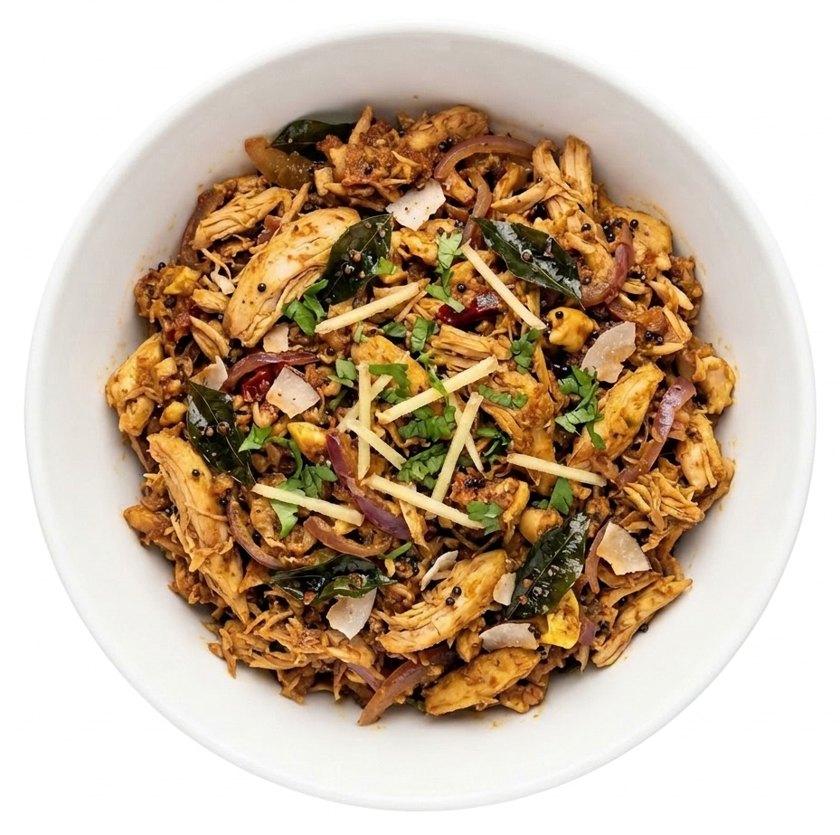
Guntur-style Chicken Stir-fry
A hot, nutty chicken stir-fry made with shredded chicken, a chilli-cashew paste, mustard and curry leaf, and a little coconut. It is aromatic from ginger and fennel, with a warm chilli bite.
Whole spices for the oil
3.5 gAdded to the hot oil before the onion (step 3)Paste spices
6 gSoaked and blended into the chilli-cashew paste (step 1)Ground spices for the sauce
4 gStirred in after the paste and tomato purée (step 5)Everything else

Method
- Soak 3 g dried red chilli and 9 g cashew nut in 79.5 g warm water for 20 minutes. Put them in a blender with 30 g of the soaking water, 10 g fresh ginger and the paste spices; blend until smooth.
- Bring 500 ml water to a boil in a small pan. Add 650 g chicken thigh and simmer gently for 7–8 minutes until cooked. Keep 100–120 ml of the stock, then cool the chicken and shred it.
- Heat 27 g vegetable oil in a heavy pan over medium heat. Add the whole spices for the oil and 2 g curry leaf; let them pop for a few seconds. Add 150 g red onion and fry for 6–7 minutes until starting to soften.
- Lower the heat. Add the chilli-cashew paste and 15.6 g tomato purée; cook for 2 minutes, stirring, and add a little water if it sticks.
- Add the ground spices for the sauce and salt; stir for a few seconds. Pour in 100 ml reserved stock and simmer for 1 minute. Add the shredded chicken and stir to coat. Add 5.1 g desiccated coconut, cover and simmer for 3 minutes until mixed and the coconut has softened.
- Take off the heat. Garnish with 6 g fresh ginger cut into slivers and 1.5 g coriander leaves.
Don't have something?


 Boneless chicken thigh
Use the same weight if boneless is needed; cooks 5–10 minutes faster than bone-in. Juicy and forgiving.
 Chicken leg
Use the same weight; bone-in and larger, so add 5–10 minutes. Similar richness.
 Chicken breast
Use the same weight; much leaner and drier, so reduce cooking time by 5–10 minutes and do not overcook.


 Peanut oil
Use 1:1 by weight. Handles high-heat frying identically and introduces a very subtle, pleasant nuttiness.
 Ghee
Use 1:1 by weight. Yields a much richer, authentic aroma and a glossy, heavier mouthfeel.
 Mustard oil
Use 1:1 by weight. Heat until smoking, then cool slightly before cooking to temper its intensely pungent, sharp mustard kick.


 Mustard seeds
Use equal weight. Pop in hot fat until they crackle and turn greyish; yields an almost identical nutty, pungent finish.
 Yellow mustard seeds
Use equal weight. Fry over medium heat; delivers a milder, sweeter pop and turns bitter quickly if the oil is excessively hot.


 Bay leaf
Fry 1 bay leaf for every 5 curry leaves in hot oil; imparts a warm, woodsy background note, but misses the citrus-sulphury punch entirely.
 Lime juice
Add a small squeeze (about 5 ml per sprig of curry leaves) right before serving; provides sharp citrus top notes without the toasty, herbal aroma.

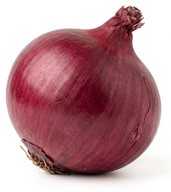
 Onion
Use the same weight; cook a little longer. Milder and less sweet when raw.
 Shallot
Use the same weight; sweeter and softer, so reduce cooking time slightly.
 Spring onion
Use only the white parts, weight for weight, for raw or quick-cooked dishes; green parts are too grassy for long cooking.


 Tomato
Use 200% to 250% of the weight. Finely grate or blend fresh tomatoes, then cook them down until the moisture evaporates and the oil separates.


 Coriander seeds
Dry-roast lightly in a pan and grind to a fine powder; use equal weight (1:1). Offers a noticeably fresher, brighter citrus note.
 Ground cumin
Use 50% to 75% of the weight. Lacks the floral, citrusy profile of coriander and turns the gravy heavier, earthier, and darker.
 Garam masala
Use 50% of the weight and stir in near the end of cooking. Adds warmth and depth since it contains ground coriander, but introduces stronger spices like clove and cinnamon.


 Fennel seed
Grind whole seeds finely; use equal weight (1:1). Provides a fresh, sweet, aniseed aroma that is slightly stronger than pre-ground powder.
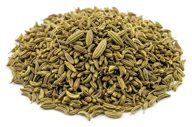 Aniseed
Grind finely; use 75% to 80% of the weight. Has a sharper, sweeter liquorice taste with less of fennel's herbal earthiness.
 Star anise
Grind whole star anise finely; use 30% to 40% of the weight. Very potent aniseed flavour that easily overpowers a dish if not used sparingly.


 Grated desiccated coconut
Use equal weight directly; it is the identical ingredient under a different label.
 Fresh coconut
Grate finely and use 130% to 140% of the weight to compensate for higher moisture; toast gently in a dry pan over low heat if a dry texture is needed.
 Dried coconut
Grate finely using a microplane and use equal weight. Offers a slightly oilier, toastier coconut profile.


 Dried kashmiri chilli
Use equal weight whole. Fry in hot oil or ghee as tempered spice; gives a richer red colour with slightly milder heat.
 Red chilli powder
Use 50% to 70% of the weight. Stir into the oil with ground spices; distributes heat evenly throughout the dish without whole chilli skins.


 Almond
Use 100% of the weight. Soak in boiling water and slip off skins before frying or grinding; gives a lighter, slightly less sweet richness to curries.
 Poppy seed
Use 60% of the weight for gravies. Soak in warm water and grind into a fine paste to thicken royal kormas without adding heavy oiliness.
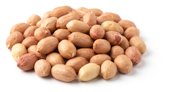 Shelled peanut
Use 100% of the weight. Roast, skin, and grind; creates a thicker, earthier texture typical of Maharashtrian and western Indian curries.


 Stock
Use the same weight in savoury dishes; it adds body, so adjust salt.
 Milk
Use the same weight only in doughs or creamy dishes; it makes the result richer.
 Coconut water
Use the same weight in curries or rice; it adds sweetness and a faint coconut taste.


 Ginger paste
Use equal weight. Sauté in hot fat until the raw allium smell disappears; slightly wetter, but provides identical warmth and pungency.
 Ground ginger
Use 20% to 25% of the weight (1 g for every 4 to 5 g fresh). Stir into the gravy; adds peppery heat and warmth, though it misses the crisp, zesty kick of raw root.


 Ground cloves
Use 1 g ground for 4 g whole (or 1 small pinch per 2 to 3 whole cloves). Add with spice powders; disperses intense warmth quickly, so use with restraint.
 Allspice berries
Use 100% of the weight whole in tempering. Imparts a warm, clove-like aromatic profile combined with hints of nutmeg and cinnamon.
 Black cardamom pod
Use 1 pod for 3 to 4 cloves in whole tempering. Shares a camphor-like warmth and medicinal depth, though it introduces a distinct smoky undertone.


 Black peppercorn
Use 1:1 by weight; pulverise in a spice mill or mortar to a fine powder for immediate, punchy heat.
 Coarsely ground black pepper
Use equal weight; offers the same bite, though it gives a visibly speckled finish and firmer crunch.


 Coriander (cilantro) or basil
Use the same weight, choosing the coriander element if available. If only basil is available, expect a sweeter, more aniseed flavour.
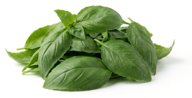 Basil leaves
Use the same weight. Basil is sweeter and more aromatic in a different way; add near the end so it keeps its perfume.
 Coriander paste
Use 1.5 times the weight and reduce other liquid slightly; it is less fresh and more concentrated, so taste before adding more.


Similar dishes

- Same: Trami Kokur Safed and this dish are both chicken dishes seasoned with fennel, clove, ginger, and salt.
- Different: Trami Kokur Safed braises chicken in milk with ghee or vegetable oil and cinnamon, with no chilli, mustard, curry leaf, cashew, coconut, or tomato purée, while this dish is a stir-fry with a chilli-cashew paste and vegetable oil.

- Same: Murg Qorma (I) shares chicken, ginger, dried red chilli, vegetable oil, clove and salt with this dish.
- Different: Murg Qorma (I) simmers chicken in an onion and whole-spice gravy with cinnamon, green cardamom and cumin and finishes with saffron milk, while this dish is a stir-fry with mustard, curry leaf, cashew-chilli paste, coconut, tomato purée and ground fennel and coriander.

- Same: Malyali Kozhi Biryani shares chicken, curry leaf, fennel, coriander, ginger, cashew, coconut and vegetable oil with this dish.
- Different: Malyali Kozhi Biryani is a layered basmati rice dish with coconut milk, butter, green cardamom, bay leaf, cassia bark, garlic paste, green bird’s eye chilli, turmeric, Kashmiri chilli, raisins, sugar and fried onions, while this dish is a chicken stir-fry with mustard seed, clove, desiccated coconut and a chilli-cashew paste and has no rice.
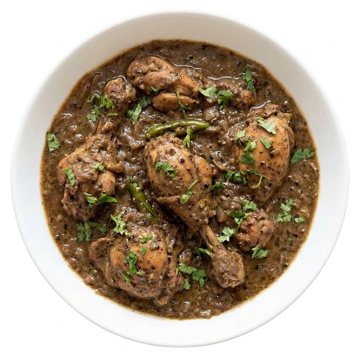
- Same: Murgh Kali Mirch shares chicken, ginger, onion, ground coriander, vegetable oil, salt, coriander leaves, and chilli heat with this dish.
- Different: Murgh Kali Mirch uses chicken on the bone, garlic, black and white peppercorns, green bird’s eye chilli, and lemon juice, while this dish uses chicken thigh, cashew, coconut, mustard seed, curry leaf, tomato purée, fennel, clove, and water in a stir-fry with a chilli-cashew paste.