
Chicken Chettinad
A fragrant South Indian dry poultry dish coated in a rich, tangy coconut-and-tamarind marinade. It delivers bold heat and earthy spice balanced by creamy coconut and bright acidity.
Whole spices for the paste
12 gSautéed with the aromatics in step 1Marinade spices and aromatics
16 gWhisked into the marinade in step 3Everything else

Method
- Warm 1 tablespoon coconut oil in a wide, heavy pan set over medium heat. Tip in 1 teaspoon chopped garlic, 2 g fresh ginger, 2.5–3 g curry leaf, and the whole spices for the paste, frying for several minutes until tender and aromatic, then set aside to cool.
- Transfer the fried aromatics to a blender and process into a silky purée, incorporating a splash of water if required to loosen.
- Whisk the coconut spice paste in a bowl with 31.2 g tamarind extract, 4 tablespoons coconut oil, 30 g coconut milk, 5.1 g lemon juice, the marinade spices and aromatics, and salt to taste. Rub this marinade thoroughly over 750 g chicken, cover, and refrigerate for 1 hour.
- Set up a charcoal grill for medium heat, or heat the oven to 190°C (375°F). Cook the chicken on the grill for roughly 15 minutes, or roast in the oven for around 30 minutes, brushing periodically with butter to taste until fully cooked through.
Don't have something?


 Boneless chicken thigh
Use same weight; thigh is the closest in juiciness and cooking time.
 Boneless chicken breast
Use same weight but reduce simmering by 5 minutes, as breast cooks faster and dries out.
 Boneless chicken piece
Use same weight, cut into even pieces; adjust cooking so all pieces are similar in size.


 Unsalted butter
Use 100% of the weight. If the original recipe relies on salted table butter, add a pinch of salt to balance.
 Ghee
Use 80% to 85% of the weight. Ghee is pure butterfat with moisture removed; it yields a deeper, nuttier flavour and handles high heat better.
 Vegetable oil
Use 80% of the weight for frying or tempering. The dish loses sweet dairy richness but remains glossy and light.


- Vegetable oil
Use the same weight; it is neutral and will not add coconut aroma.
 Groundnut oil
Use the same weight; mild and good for frying, but no coconut flavour.
- Ghee
Use the same weight for richness; it adds a dairy aroma and is not vegan.


 Black mustard seed
Use the same weight. The seeds are smaller and hotter; fry in hot oil until they pop, about 20–30 seconds, and reduce the heat if they darken too fast. The dish will be a little sharper.
 Yellow mustard seeds
Use the same weight. They are milder and larger; fry a few seconds longer until they pop. The finished dish will have less pungency.
 Ground mustard seed
Use 70% of the weight of whole seed, added with the other ground spices rather than fried whole. You lose the popping texture and the heat comes through more evenly.



 Garlic paste
Use equal weight. Fry gently in oil or ghee with the ginger; incorporates smoothly into curries without visible minced bits.
 Garlic powder
Use 15% to 20% of the weight (about 1 g for every 5 to 6 g fresh cloves). Whisk into sauces; gives a savoury, toasted garlic flavour without raw pungency.
 Shallot
Use 1.5 times the weight, very finely minced. Sauté until golden; provides savoury allium sweetness, though it lacks garlic's pungent sulphur bite.


 Ginger paste
Use equal weight. Sauté in hot fat until the raw allium smell disappears; slightly wetter, but provides identical warmth and pungency.
 Ground ginger
Use 20% to 25% of the weight (1 g for every 4 to 5 g fresh). Stir into the gravy; adds peppery heat and warmth, though it misses the crisp, zesty kick of raw root.


 Ground coriander
Use 75% of the weight; stir in along with wet masala or tomato purée rather than frying in hot oil, as the fine powder burns instantly.
 Cumin seed
Use 50% of the weight for tempering in hot oil. Lacks the floral, sweet citrus flavour of coriander, introducing warm, pungent earthiness instead.
 Fennel seed
Use 50% of the weight in tempering; provides pleasant aromatic sweetness, though noticeably aniseedy rather than citrusy.


 Ground black cardamom
Use 0.5 g of ground seeds for each whole pod. Stir directly into the curry base; delivers identical smoky flavour without woody husks.
 Green cardamom pod
Use equal pod count or weight. Crack slightly and fry whole; tastes sweet, menthol-fresh, and floral rather than dark and smoky.


 Ground cumin
Use 70% of the weight; add with ground spices or sauce bases rather than hot oil tempering, where it scorches quickly and turns bitter.
 Black cumin seeds
Use equal weight for oil tempering. Delivers an earthy profile with an additional musky, smoky, and slightly bitter edge.
- Fennel seed
Use 60% of the weight for tempering; offers comparable warm aroma, but leans sweet and liquorice-like rather than savoury and earthy.


 Green cardamom seed
Use 35 to 40% of the total pod weight; lightly bruise the seeds before frying in oil to release their essential oils.
 Ground green cardamom
Use 20 to 25% of the pod weight (about 1 generous pinch per pod); stir in toward the end of cooking so the delicate floral notes do not dissipate.
 White cardamom pod
Use 1:1 by pod count or weight; crack gently before using, though it is slightly less intensely floral.


 Ground cloves
Use 1 g ground for 4 g whole (or 1 small pinch per 2 to 3 whole cloves). Add with spice powders; disperses intense warmth quickly, so use with restraint.
 Allspice berries
Use 100% of the weight whole in tempering. Imparts a warm, clove-like aromatic profile combined with hints of nutmeg and cinnamon.
- Black cardamom pod
Use 1 pod for 3 to 4 cloves in whole tempering. Shares a camphor-like warmth and medicinal depth, though it introduces a distinct smoky undertone.


 Bay leaf
Fry 1 bay leaf for every 5 curry leaves in hot oil; imparts a warm, woodsy background note, but misses the citrus-sulphury punch entirely.
 Lime juice
Add a small squeeze (about 5 ml per sprig of curry leaves) right before serving; provides sharp citrus top notes without the toasty, herbal aroma.


 Dried kashmiri chilli
Use equal weight whole. Fry in hot oil or ghee as tempered spice; gives a richer red colour with slightly milder heat.
 Red chilli powder
Use 50% to 70% of the weight. Stir into the oil with ground spices; distributes heat evenly throughout the dish without whole chilli skins.


 Desiccated coconut
Use the same weight and grind finer; it is drier, so add 1–2 tbsp water if the recipe needs a wet paste.
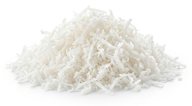 Grated fresh coconut
Use about 1.25 times the weight and blend to a paste; it is fresher and wetter, so reduce other liquid slightly.
 Dried coconut
Use the same weight, soak in warm water for 10 minutes, then grind; it is closer to fresh but still drier.


- Ground ginger
Use 50% of the weight. Mimics turmeric's warm, earthy, rhizome background, but provides none of the golden-yellow colour.
 Saffron
Steep a tiny pinch (0.1 g per 2 g turmeric) in 2 tbsp warm water; use to match the rich golden hue. Contributes an aristocratic, honeyed floral flavour rather than earthy bitterness.


 Tamarind
Use 180% of the weight of compressed tamarind; soak in three times its weight of boiling water for 15 minutes, knead, and strain out the thick pulp.
 Dried mango powder
Use 35% of the weight dissolved in two tablespoons of warm water. Provides sharp tang, though the resulting sauce will be lighter in colour.
 Lemon juice
Use equal weight, added right at the end of cooking. Adds sharp acidity without the deep brown hue or pulpy thickness.


 Single cream
Use equal weight; simmer gently over low heat to prevent curdling. Imparts a comparable rich texture, though it adds dairy richness without any coconut fragrance.
 Cashew paste
Whisk 1 part cashew paste with 2 parts water to match the consistency, then use equal weight. Provides a thick, velvety body without coconut flavour.
 Whole milk
Use equal weight, but reduce other cooking liquids by 20% to compensate for the lower viscosity. The curry will be lighter and lack sweetness.


- Fresh ginger
Use equal weight; peel and grate very finely on a microplane or pound to a fine paste in a mortar.
 Ginger
Use equal weight; mince finely and crush with the flat of a knife before frying.
- Ground ginger
Use 20% of the weight; add directly with the dry spice powders, though it yields an earthier, less pungent profile.


- Garlic
Use equal weight; crush or finely grate to a smooth pulp to replicate the same fresh, pungent moisture in your base gravy.
- Garlic powder
Use 20 to 25% of the weight; mix with a teaspoon of water before adding to oil so it does not burn, noting it lacks the fresh bite.

- Lime juice
Use equal volume or weight; delivers almost identical sharp acidity with a faintly more aromatic, bitter-edged profile.
- Dried mango powder
Use 25% of the weight (about 1 g amchoor for 4 g juice); provides clean fruity tartness without thinning the sauce.
 White vinegar
Use 75% of the volume; gives direct sourness without any citrus floral fragrance.

Similar dishes

- Same: Koli Milagu Masala and this dish are both South Indian Chettinad chicken dishes that use curry leaf, dried red chilli, coriander seeds, cumin, turmeric, ginger, garlic, clove, and green cardamom.
- Different: Koli Milagu Masala is a thick onion-tomato gravy made with vegetable oil, black peppercorn, fennel, poppy seeds, urad dal, cinnamon, and bay leaf, while this dish is a dry chicken leg dish with coconut oil, butter, mustard seed, black cardamom, ground coconut, coconut milk, tamarind extract, and lemon juice.
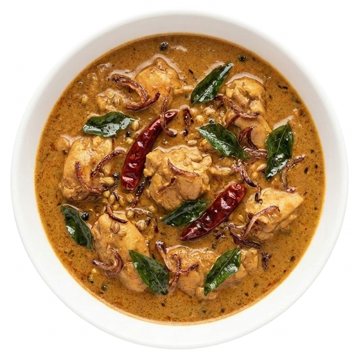
- Same: Kori Gassi shares chicken, coconut milk, dried red chilli, coriander seeds, cumin, curry leaves, turmeric and garlic paste with this dish.
- Different: Kori Gassi uses vegetable oil, onion, fenugreek and black pepper and simmers in much more coconut milk, while this dish is dry and uses butter, coconut oil, tamarind, lemon juice, mustard seed, cardamom and clove.

- Same: Murg Qorma (I) shares chicken, dried red chilli, cumin seed, green cardamom, ginger, and clove with this dish.
- Different: Murg Qorma (I) uses vegetable oil, onion, saffron milk, and cinnamon, and it lacks coconut, tamarind, mustard seed, curry leaf, and lemon juice; it is simmered as a gravy rather than cooked dry.

- Same: Khare Masale ka Murg and this dish both cook chicken with turmeric, dried red chilli, ginger, garlic and cumin seed.
- Different: Khare Masale ka Murg uses ghee, yoghurt, onion and green chilli and simmers in a light sauce, while this dish uses coconut oil, coconut milk, tamarind and curry leaf and finishes dry.