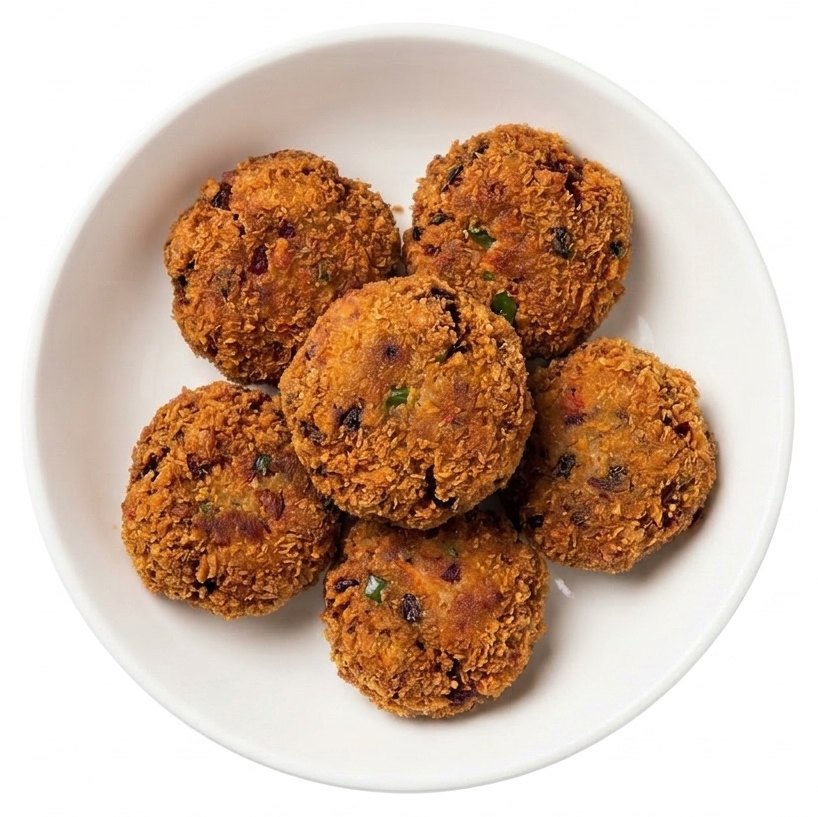
Bengali Beetroot Chop
Bengali beetroot chop is a crisp fried cutlet filled with grated beetroot, carrot and potato, lightly spiced and breadcrumb-coated. It tastes sweet-savoury from the beetroot, with a warm chilli kick and a crunchy outside.
Whole cumin for the oil
2.1 gAdded to the hot oil at the start (step 1)Ground spices for the filling
6 gStirred into the cooled beetroot and potato mixture (step 5)Everything else

Method
- Heat 27 g vegetable oil in a large frying pan over medium heat. Add the whole cumin for the oil (2.1 g cumin seed) and let it sizzle.
- Add 4 g green bird's-eye chilli and 10 g ginger root. Fry for 1 minute.
- Add 130 g carrot and cook for 3–4 minutes.
- Add 300 g beetroot and mix well. Stir in 3 g raisin and 1.5 g coriander, then take the pan off the heat and leave to cool.
- Put the cooled mixture in a large bowl. Add 300 g boiled potato, the ground spices for the filling (the masala: 3 g chaat masala, 1.5 g dried mango powder, 1.3 g kashmiri chilli powder) and salt to taste. Mix well, then stir in 13.2 g dried breadcrumb.
- Divide the mixture into 12 portions and shape each into a round or oval. Chill for about 20 minutes.
- Heat extra vegetable oil for deep-frying in a wok or kadhai to about one-third of the pan's depth, and line a plate with paper towels. Test the oil with a small square of bread: it should sizzle and brown in 30 seconds.
- In a shallow bowl, mix 32.4 g cornstarch with 69.6 g water until smooth. Put 150 g dried breadcrumb in a separate bowl. Coat one cutlet in the cornstarch mixture, then in the breadcrumb.
- Fry the coated cutlet in the hot oil for 3–4 minutes, until golden and crisp. Drain on paper towels. Coat and fry the remaining cutlets one at a time in the same way.
Don't have something?


 Peanut oil
Use 1:1 by weight. Handles high-heat frying identically and introduces a very subtle, pleasant nuttiness.
 Ghee
Use 1:1 by weight. Yields a much richer, authentic aroma and a glossy, heavier mouthfeel.
 Mustard oil
Use 1:1 by weight. Heat until smoking, then cool slightly before cooking to temper its intensely pungent, sharp mustard kick.


 Ground cumin
Use 70% of the weight; add with ground spices or sauce bases rather than hot oil tempering, where it scorches quickly and turns bitter.
 Black cumin seeds
Use equal weight for oil tempering. Delivers an earthy profile with an additional musky, smoky, and slightly bitter edge.
 Fennel seed
Use 60% of the weight for tempering; offers comparable warm aroma, but leans sweet and liquorice-like rather than savoury and earthy.


- Bird's eye green chilli
Use the same weight; heat and flavour are very close.
 Green chilli
Use 1.5 to 2 times the weight; deseed for less heat. Larger chillies are more watery.
 Fresh green chilli
Use 1.5 to 2 times the weight; chop finely and adjust heat by tasting.


 Ginger paste
Use equal weight. Sauté in hot fat until the raw allium smell disappears; slightly wetter, but provides identical warmth and pungency.
 Ground ginger
Use 20% to 25% of the weight (1 g for every 4 to 5 g fresh). Stir into the gravy; adds peppery heat and warmth, though it misses the crisp, zesty kick of raw root.


 Turnip
Use the same weight; peel and cut as for carrot. It is less sweet and slightly peppery, so add a pinch of sugar and expect a softer, more earthy result.
 Potato
Use the same weight; cut into similar pieces and add 5–10 minutes' extra cooking. It gives bulk but no carrot sweetness or colour.
 Courgette
Use the same weight; cut a little larger and add near the end. It releases water, so reduce other liquid slightly and expect a softer texture.


- Carrot
Use the same weight; grate or dice. Cooks 5 minutes faster and gives orange colour, not pink, with a sweeter taste.
 Sweet potato
Use the same weight; cube and cook similarly. Sweeter and less earthy, with a softer texture.
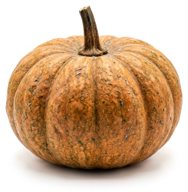 Pumpkin
Use the same weight; cube and cook 5 minutes less. Milder and softer, so the colour and earthiness are lost.


 Dried plum
Use equal weight, pitted and finely chopped. Lends a deeper, slightly more tart sweetness to curries and rice dishes.
 Cashew nut
Use equal weight. Fry lightly in ghee until golden; substitutes the burst of sweetness with a rich, buttery crunch.
 Jaggery
Use 30% of the weight, finely grated. Dissolve straight into the sauce to match the intended sweetness, though without the fruity chew.


 Coriander leaf
Use equal weight, chopped fresh and stirred in off the heat or used as garnish. Matches the citrus-herbal profile identically.
 Mint
Use 40% to 50% of the weight; chop finely and add at the very end. Adds fresh herbal brightness, but shifts the aroma toward cool menthol.


- Potato
Boil until just tender, same weight, then cool and peel; texture and cooking behaviour are almost identical.
 New potato
Use same weight; waxy new potatoes hold shape better in curries, so simmer gently.
- Sweet potato
Use same weight but expect a sweeter taste and softer mash; reduce further cooking to 5 minutes.


 Tandoori snack spice mix
Use the same weight; taste first as it can be smokier and saltier. Add lime or amchoor if the dish needs more tang.
 Dried mango powder
Use about half the weight, mixed with black salt and a pinch of ground cumin. It gives tang and saltiness but lacks the minty, asafoetida notes.
 Black salt
Use about half the weight and add lime juice to taste. It gives the salty, sulphurous edge but not the full tangy blend.


 Ground dried mango powder
Use the same weight; same sour mango flavour. Add early so it can soften into the dish.
 Dried mango powder
Grind to a powder and use the same weight. Slightly coarser unless finely ground.
 Lemon juice
Use 5–6 times the weight, e.g. 1 tsp powder to about 5 tsp juice; add off the heat. Wetter and fresher-tasting.


 Dried kashmiri chilli
Grind deseeded dried pods to an equal weight of powder; gives identical vivid red colour and gentle warmth.
 Red chilli powder
Use 25% of the weight mixed with sweet paprika for colour; straight red chilli powder is substantially hotter and will make the dish fiery.
 Chilli powder
Use one-third of the weight; the sauce will be less intensely red and notably sharper in heat.


 Fresh breadcrumbs
Use the same weight, but adjust liquid slightly as they are moister. Softer set; good for binding.
 Bread slice
Use the same weight of stale bread, whizz to crumbs and dry in a low oven. Closest texture to dried crumbs.
 Coarse semolina
Use about 70% of the weight and rest briefly before cooking. Grittier and absorbs more liquid; use for crunch or binding, not for coating.


 Chickpea flour
Whisk equal weight thoroughly with cold water before stirring into hot sauce; thickens well, but imparts an earthy, nutty taste and pale golden colour.


 Stock
Use the same weight in savoury dishes; it adds body, so adjust salt.
 Milk
Use the same weight only in doughs or creamy dishes; it makes the result richer.
 Coconut water
Use the same weight in curries or rice; it adds sweetness and a faint coconut taste.


Similar dishes

- Same: Bedmi Aloo shares potato, ginger, green chilli, cumin seed, Kashmiri chilli powder and dried mango powder with this dish.
- Different: Bedmi Aloo is a ghee-based turmeric and tomato potato curry with asafoetida, while this dish is a breadcrumb-coated fried beetroot, carrot and potato cutlet with raisins and chaat masala.

- Same: Aloo Aur Anjeer Ki Tikki shares with this dish a crisp breadcrumb-coated potato cutlet style, with cumin, Kashmiri chilli, green chilli, ginger, dried mango powder, coriander, salt, oil and dried breadcrumb.
- Different: Aloo Aur Anjeer Ki Tikki uses mashed potato with a dried fig and mascarpone filling plus mint, while this dish uses grated beetroot, carrot and potato with raisins, chaat masala and a cornstarch-water coating.

- Same: Shakkarkand Ki Tikki and this dish are both breadcrumb-coated fried vegetable cakes made with potato, ginger, green chilli, cumin, chaat masala, cornstarch and salt.
- Different: Shakkarkand Ki Tikki uses sweet potato as its main ingredient and adds coriander leaf and mild chilli powder, while this dish uses beetroot and carrot, plus raisins, dried mango powder, Kashmiri chilli powder and water.

- Same: Tandoori Aloo Chaat shares vegetable oil, green bird's-eye chilli, cumin seed, chaat masala, salt and potato with this dish.
- Different: Tandoori Aloo Chaat uses baby potatoes with buttermilk, chickpea flour, garlic, mint and garam masala, while this dish uses beetroot, carrot, raisins, breadcrumbs, cornstarch, dried mango powder, Kashmiri chilli powder and coriander and is fried as breadcrumb-coated cutlets.