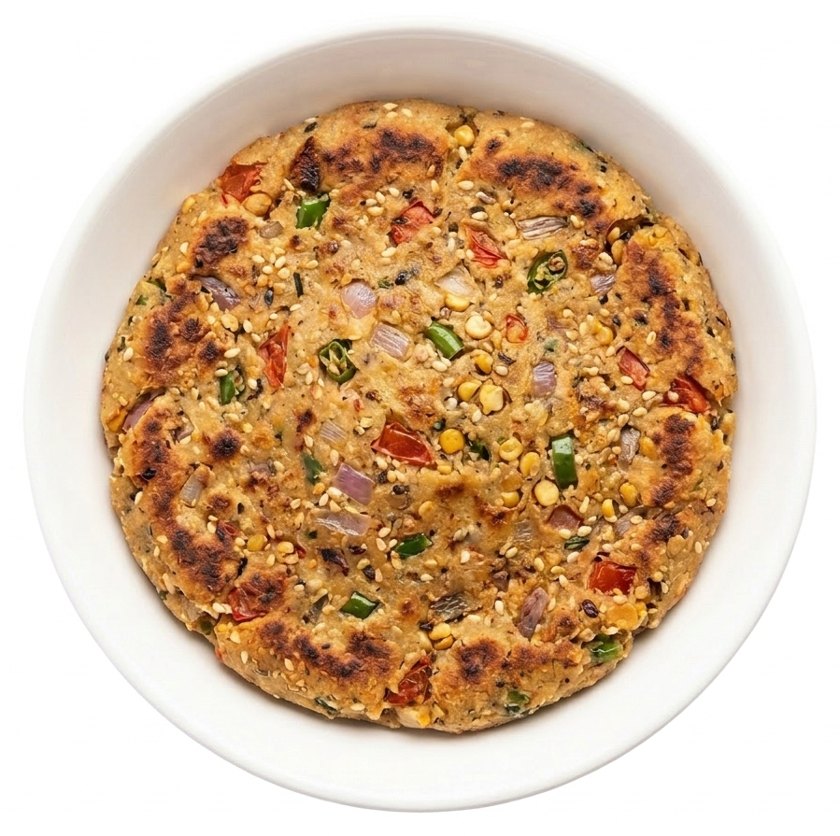
Thali Peeth
A savoury, pan-fried multi-grain flatbread packed with chopped fresh vegetables and warm spices. It has a crisp, lightly browned exterior with a soft, fragrant interior.
Flour spices
6 gToasted with the dal to make the multi-grain flour (step 1)Dough spices
4.9 gMixed into the flour with the vegetables (step 2)Everything else

Method
- Place 50 g chana dal and the flour spices into a dry pan and toast over medium heat until fragrant. Transfer to a spice grinder or blender and grind to a fine powder to create the bread flour.
- Sift 150 g of the prepared flour into a wide bowl. Add 9.9 g green chilli, 6 g fresh ginger, 150 g onion, 120 g tomato, 0.3 g salt, and the dough spices. Create a well in the middle, pour in 125 g water, and bring together into a soft dough.
- Portion the dough evenly into 12 balls. On a board lightly dusted with extra flour, press each ball flat with your palm to form a round roughly 8 cm (3 inches) across.
- Set a tawa, griddle, or heavy frying pan over high heat and add 15 g of the 67.5 g vegetable oil. Lay a dough round flat on the hot surface, spread a thin coating of oil over the top, cover with a lid, and fry for 2 minutes.
- Remove the lid, turn the bread over, and fry the second side for about 1 minute until pale golden-brown. Lift from the pan and repeat with the remaining dough rounds and oil.
Don't have something?


 Whole wheat flour
Use the same weight; mix with 25% gram flour and 10% rice flour by weight, plus a pinch of ajwain and cumin. The dough is denser and less nutty, so rest it for 15 minutes.
 Millet flour
Use 50% millet flour with 50% whole wheat flour by weight, plus 20% gram flour. It is more crumbly, so add water slowly and handle gently.
 Gram flour
Use up to 25% gram flour mixed with whole wheat flour; it adds nuttiness but no grain mix, so add a little rice flour for crispness.


 Chilli powder
Use 10 to 15% of the weight (about 1/4 teaspoon per chilli); imparts dry pungent heat and reddens the dish without the grassy crunch.
 Dried red chilli
Use 1 dried pod per fresh green chilli; snap in half and temper in hot oil for a deeper, toastier heat.


 Ginger paste
Use equal weight. Sauté in hot fat until the raw allium smell disappears; slightly wetter, but provides identical warmth and pungency.
 Ground ginger
Use 20% to 25% of the weight (1 g for every 4 to 5 g fresh). Stir into the gravy; adds peppery heat and warmth, though it misses the crisp, zesty kick of raw root.






 Red chilli powder
Use 100% of the weight. Provides direct, sharp heat and red colour in equal measure.
 Kashmiri chilli powder
Use 150% to 200% of the weight if matching colour, but add a pinch of black pepper or hot chilli if you need equivalent fiery heat.
 Cayenne pepper
Use 75% to 100% of the weight. Offers a sharp, clean heat with slightly less earthy depth and less crimson colour.


 Sour yoghurt
Use the same weight; stir well. Same tang and consistency.
 Full-fat natural yoghurt
Use the same weight; add 10 ml lemon juice per 200 g and rest 10 minutes. Stir before use.
 Yogurt
Use the same weight; whisk with lemon juice to taste. Add off the heat to prevent splitting.


 Tomato purée
Use 40% to 50% of the fresh tomato weight mixed with a splash of water. Imparts a deeper red colour, thicker sauce, and slightly sweeter cooked flavour.
 Plain yogurt
Use 60% of the weight, whisked smooth and added on low heat. Provides rich body and sourness, though the gravy becomes paler and creamier.


 White sesame seed
Use the same weight. Toast lightly before use; white seeds are milder and give a cleaner look.
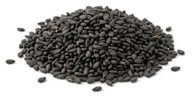 Black sesame seed
Use the same weight. They are stronger and more bitter; toast briefly and use slightly less if the dish is delicate.
 Peanut
Use the same weight, crushed or chopped. It gives crunch but not the same nutty sesame aroma.


 Ground allspice
Use 1.5–2 times the weight; it has a similar warm pungency but is milder and rounder, so the dish loses clove’s sharp medicinal heat.
 Ground cinnamon (cassia)
Use the same weight; it gives warmth but is sweeter and lacks clove’s strength, so use only if the amount is small.


 Cardamom seed
Grind the same weight; remove the pods first for a cleaner, stronger powder.
 Green cardamom pod seed
Grind the same weight of the seeds from green pods; discard the husks for the best flavour.
 Ground green cardamom
Use the same weight; it is the same spice and works directly.



 Coriander seeds
Dry-roast lightly in a pan and grind to a fine powder; use equal weight (1:1). Offers a noticeably fresher, brighter citrus note.
 Ground cumin
Use 50% to 75% of the weight. Lacks the floral, citrusy profile of coriander and turns the gravy heavier, earthier, and darker.
 Garam masala
Use 50% of the weight and stir in near the end of cooking. Adds warmth and depth since it contains ground coriander, but introduces stronger spices like clove and cinnamon.


 Cumin seed
Dry-roast briefly and grind finely; use equal weight (1:1). Imparts an even punchier, nuttier, toasty aroma than pre-ground cumin.
- Ground coriander
Use equal weight (1:1). Adds mild, lemony sweetness rather than cumin's smoky, earthy bite; curries will taste lighter and less savoury.
 Black cumin seeds
Grind finely; use 60% to 75% of the weight. Produces a darker, more complex, smoky-herbal flavour suited to rich gravies.


 Black peppercorn
Use 1:1 by weight; pulverise in a spice mill or mortar to a fine powder for immediate, punchy heat.
 Coarsely ground black pepper
Use equal weight; offers the same bite, though it gives a visibly speckled finish and firmer crunch.


 Peanut oil
Use 1:1 by weight. Handles high-heat frying identically and introduces a very subtle, pleasant nuttiness.
 Ghee
Use 1:1 by weight. Yields a much richer, authentic aroma and a glossy, heavier mouthfeel.
 Mustard oil
Use 1:1 by weight. Heat until smoking, then cool slightly before cooking to temper its intensely pungent, sharp mustard kick.


 Rice
Use the same weight; rinse well and cook with slightly less water than short-grain rice, checking often. Texture will be less sticky.
 Broken rice
Use the same weight but reduce water by about 10%; it cooks faster and gives a softer, stickier result.
 Parboiled rice
Use the same weight; soak for 30 minutes and allow 10–15 minutes longer cooking. It is firmer and less creamy.


- Whole wheat flour
Use the same weight; it is almost the same, though slightly finer, so add water gradually.
 Plain flour
Use the same weight but reduce water by about 10%; the result is lighter and less nutty.
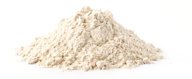 Flour
Use the same weight as plain flour; reduce water slightly and expect less bran and colour.


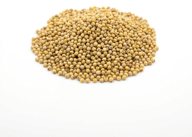 Millet grain
Use the same weight; cook similarly, with a milder flavour and lighter colour.
 White millet
Use the same weight; behaves the same but gives a paler dish.
 Quinoa
Use the same weight, rinsed; cooks faster and has a nuttier, seedier texture.


- Millet grain
Use the same weight; rinse and cook as for white millet, about the same time.
- Dark millet
Use the same weight; it is earthier and slightly firmer, so add 2–3 minutes cooking.
- Quinoa
Use the same weight; rinse and cook 5–7 minutes less, until the grains open.


 Yellow split peas
Use 100% of the weight. Soak for at least 1 hour; takes about 10 minutes longer to cook through and has a marginally earthier flavour.
 Pigeon peas
Use 100% of the weight. Reduces cooking time by about 10 minutes and breaks down softer, giving a smoother consistency rather than distinct grains.
 Black gram
For tempering or tadka only: use 70% of the weight. Browns faster in hot oil, providing a nutty, crunchy bite.


- Ground coriander
Use 75% of the weight; stir in along with wet masala or tomato purée rather than frying in hot oil, as the fine powder burns instantly.
- Cumin seed
Use 50% of the weight for tempering in hot oil. Lacks the floral, sweet citrus flavour of coriander, introducing warm, pungent earthiness instead.
 Fennel seed
Use 50% of the weight in tempering; provides pleasant aromatic sweetness, though noticeably aniseedy rather than citrusy.


- Ground cumin
Use 70% of the weight; add with ground spices or sauce bases rather than hot oil tempering, where it scorches quickly and turns bitter.
- Black cumin seeds
Use equal weight for oil tempering. Delivers an earthy profile with an additional musky, smoky, and slightly bitter edge.
- Fennel seed
Use 60% of the weight for tempering; offers comparable warm aroma, but leans sweet and liquorice-like rather than savoury and earthy.

- Coarsely ground black pepper
Use 75% of the weight. Add midway through simmering; spreads heat evenly through the dish instead of delivering isolated bursts.
- Ground black pepper
Use 50% of the weight. Stir in near the end of cooking; significantly darkens light gravies and provides an immediate, sharp bite.


 Mustard seed
Use 50% of the weight, crush or grind. Sharper heat and less maple-bitter; fry briefly in oil before adding.
 Caraway seeds
Use the same weight, crush lightly. Similar bitter-seed note but more aniseed; reduce other sweet spices slightly.
 Ajwain seeds
Use 25–30% of the weight, crush. Much stronger thyme-like flavour; do not overdo.


Similar dishes

- Same: Like this dish, Missi Roti is a savoury flatbread prepared with chana dal, onions, green chillies, and fresh ginger.
- Different: Missi Roti adds boiled moong dal and turmeric, but omits this dish's tomatoes, sesame seeds, and whole spices like fenugreek, coriander, and cloves.

- Same: Dal Paratha shares with this dish a savoury pan-fried flatbread style, wholemeal flour, green chilli, chilli powder, onion and salt.
- Different: Dal Paratha uses moong dal, wholemeal flour, turmeric, coriander leaf and butter, while this dish uses mixed flours, millets, rice, chana dal, yoghurt, tomato, sesame, fenugreek and a clove-cardamom-cumin-pepper spice mix, and it is fried in vegetable oil.

- Same: Moong Dal Khilwan shares green chilli, tomato, ginger, cumin, coriander, clove, cardamom, black pepper and chilli powder with this dish.
- Different: Moong Dal Khilwan is a simmered whole moong bean dish with a lemon-juice souring agent and asafoetida, dried red chilli and turmeric, while this dish is a pan-fried multi-grain flatbread made with rice, millet, chana dal, wholemeal flour, sesame seed and soured yoghurt.

- Same: Dal ki Kachori and this dish are both savoury Indian breads that use vegetable oil and are spiced with coriander seeds, black pepper, and chilli.
- Different: Dal ki Kachori is a stuffed, deep-fried bread made with self-raising flour and an urad dal filling, while this dish is a pan-fried multi-grain flatbread with rice, millets, wholemeal flour, chana dal, onion, tomato, yoghurt, ginger, green chilli, sesame, fenugreek, cumin, clove, and cardamom.