
Moong Dal Khilwan
Tender whole moong beans are simmered with an aromatic ginger spice parcel, then gently tossed in a warm tempering of cumin, tomatoes, and citrusy lemon.
Potli spices
10 gCrushed and tied into the spice pouch with ginger (step 2)Tempering spices
8 gBloomed in the hot oil (step 4)Finishing spices
1.2 gStirred in near the end of cooking (step 6)Everything else

Method
- Cover 300 g moong dal with ample cold water and leave to soak overnight, then drain thoroughly.
- Pound the potli spices coarsely with a pestle and mortar. Place the crushed spices and 12 g ginger onto a small piece of clean muslin and tie tightly with kitchen twine to form a spice pouch.
- Place the drained dal, 24 g green chilli, the spice pouch, and 750 ml water into a heavy saucepan. Bring to a boil over medium-high heat, then lower the flame, cover, and simmer for 30 minutes until the beans are tender yet intact. Lift out and discard the spice pouch.
- Warm 40.5 g vegetable oil or ghee in a wide frying pan over medium heat. Tip in the tempering spices and sizzle for about 1 minute until the seeds crackle, then pour in 45 ml (3 tbsp) water and season with salt to taste. Stir-fry for 3 to 4 minutes until all the liquid boils off.
- Add the cooked dal to the pan and gently fry for 4 minutes, stirring carefully to keep the beans whole.
- Fold in 120 g tomato and cook for 1 minute. Scatter in the finishing spices and pour over 30.6 g lemon juice. Mix gently to combine, taste to adjust salt if needed, and take off the heat.
Don't have something?
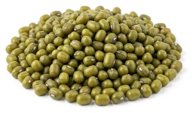
 Whole mung bean
This is the same bean under another name; use the same weight and soak as directed.
 Split green mung beans
Use the same weight; no soaking is needed and it cooks 10–15 minutes faster, so add it later and expect a softer dal.
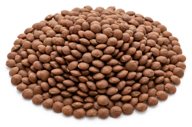 Whole brown lentil
Use the same weight; it has a similar bite but an earthier flavour and needs 5–10 minutes longer.


 Chilli powder
Use 10 to 15% of the weight (about 1/4 teaspoon per chilli); imparts dry pungent heat and reddens the dish without the grassy crunch.
 Dried red chilli
Use 1 dried pod per fresh green chilli; snap in half and temper in hot oil for a deeper, toastier heat.


 Peanut oil
Use equal weight; handles high tempering heat well and keeps flavours neutral.
 Butter
Use equal weight; cook over gentle heat to prevent browning the milk solids too quickly.


 Ground cumin
Use 70% of the weight; add with ground spices or sauce bases rather than hot oil tempering, where it scorches quickly and turns bitter.
 Black cumin seeds
Use equal weight for oil tempering. Delivers an earthy profile with an additional musky, smoky, and slightly bitter edge.
 Fennel seed
Use 60% of the weight for tempering; offers comparable warm aroma, but leans sweet and liquorice-like rather than savoury and earthy.


 Garlic powder
Use double the weight. Stir into hot oil just before adding wet ingredients; mimics the allium savoury background without the sulphurous edge.
 Garlic paste
Use 2 g for every 0.5 g of asafoetida. Sauté in oil until the raw smell clears; adds moisture and sweet allium depth.


 Dried kashmiri chilli
Use equal weight whole. Fry in hot oil or ghee as tempered spice; gives a richer red colour with slightly milder heat.
 Red chilli powder
Use 50% to 70% of the weight. Stir into the oil with ground spices; distributes heat evenly throughout the dish without whole chilli skins.


 Ground ginger
Use 50% of the weight. Mimics turmeric's warm, earthy, rhizome background, but provides none of the golden-yellow colour.
 Saffron
Steep a tiny pinch (0.1 g per 2 g turmeric) in 2 tbsp warm water; use to match the rich golden hue. Contributes an aristocratic, honeyed floral flavour rather than earthy bitterness.


 Tomato purée
Use 40% to 50% of the fresh tomato weight mixed with a splash of water. Imparts a deeper red colour, thicker sauce, and slightly sweeter cooked flavour.
 Plain yogurt
Use 60% of the weight, whisked smooth and added on low heat. Provides rich body and sourness, though the gravy becomes paler and creamier.


 Black peppercorn
Use 1:1 by weight; pulverise in a spice mill or mortar to a fine powder for immediate, punchy heat.
 Coarsely ground black pepper
Use equal weight; offers the same bite, though it gives a visibly speckled finish and firmer crunch.


 Black cardamom seeds
Use equal weight; grind freshly in a mortar or spice mill for an even more vibrant camphor-and-smoke aroma.
 Black cardamom pod
Use 2.5 times the weight in whole pods; crack open, extract the sticky seeds, and grind to a fine powder, discarding the husks.
 Garam masala
Use 60% of the weight; provides some warm resinous smokiness if it contains black cardamom, though it adds cinnamon and clove notes.


 Green cardamom seed
Grind freshly extracted inner black seeds finely; use equal weight (1:1). Greatly superior aroma with potent eucalyptus and citrus notes.
 Green cardamom pod
Lightly crack whole pods and simmer them in the gravy; use 150% of the weight of ground cardamom. Fish out the pods before serving.
 Ground nutmeg
Use 50% of the weight. Delivers warm, sweet aroma, but lacks cardamom's cooling, citrusy top notes.


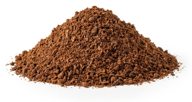 Ground allspice
Use 1.5–2 times the weight; it has a similar warm pungency but is milder and rounder, so the dish loses clove’s sharp medicinal heat.
 Ground cinnamon (cassia)
Use the same weight; it gives warmth but is sweeter and lacks clove’s strength, so use only if the amount is small.


 Lime juice
Use equal volume or weight; delivers almost identical sharp acidity with a faintly more aromatic, bitter-edged profile.
 Dried mango powder
Use 25% of the weight (about 1 g amchoor for 4 g juice); provides clean fruity tartness without thinning the sauce.
 White vinegar
Use 75% of the volume; gives direct sourness without any citrus floral fragrance.


 Fresh ginger
Use equal weight; scrape off the skin and grate or finely julienne according to the recipe.
 Ginger paste
Use equal weight; stir straight into the sizzling aromatics, taking care as the extra moisture may spit.
- Ground ginger
Use 15 to 20% of the weight; add alongside ground spices, noting it imparts warm, dry heat rather than zesty freshness.


- Ground cloves
Use 1 g ground for 4 g whole (or 1 small pinch per 2 to 3 whole cloves). Add with spice powders; disperses intense warmth quickly, so use with restraint.
 Allspice berries
Use 100% of the weight whole in tempering. Imparts a warm, clove-like aromatic profile combined with hints of nutmeg and cinnamon.
- Black cardamom pod
Use 1 pod for 3 to 4 cloves in whole tempering. Shares a camphor-like warmth and medicinal depth, though it introduces a distinct smoky undertone.

- Ground black cardamom
Use 0.5 g of ground seeds for each whole pod. Stir directly into the curry base; delivers identical smoky flavour without woody husks.
- Green cardamom pod
Use equal pod count or weight. Crack slightly and fry whole; tastes sweet, menthol-fresh, and floral rather than dark and smoky.

- Coarsely ground black pepper
Use 75% of the weight. Add midway through simmering; spreads heat evenly through the dish instead of delivering isolated bursts.
- Ground black pepper
Use 50% of the weight. Stir in near the end of cooking; significantly darkens light gravies and provides an immediate, sharp bite.


 Ground coriander
Use 75% of the weight; stir in along with wet masala or tomato purée rather than frying in hot oil, as the fine powder burns instantly.
- Cumin seed
Use 50% of the weight for tempering in hot oil. Lacks the floral, sweet citrus flavour of coriander, introducing warm, pungent earthiness instead.
- Fennel seed
Use 50% of the weight in tempering; provides pleasant aromatic sweetness, though noticeably aniseedy rather than citrusy.

- Red chilli powder
Use 100% of the weight. Provides direct, sharp heat and red colour in equal measure.
 Kashmiri chilli powder
Use 150% to 200% of the weight if matching colour, but add a pinch of black pepper or hot chilli if you need equivalent fiery heat.
 Cayenne pepper
Use 75% to 100% of the weight. Offers a sharp, clean heat with slightly less earthy depth and less crimson colour.


Similar dishes
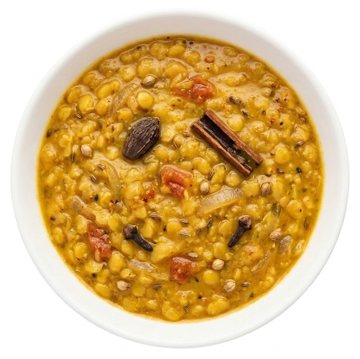
- Same: Both dishes feature lentils simmered and tempered with tomatoes, cumin seeds, dried red chillies, ginger, cloves, and black cardamom.
- Different: Tadka Dal uses split toor dal instead of whole moong beans, cooks onions and garlic in butter, and omits the lemon juice, asafoetida, and ginger spice parcel used in this dish.

- Same: Hari Matar ke Kofte shares the use of green gram, oil or ghee, and a temper of cumin seeds, asafoetida, turmeric, and dried red chillies with this dish.
- Different: Hari Matar ke Kofte turns the gram into fried fritters served in a garlic and yogurt sauce, whereas this dish leaves the moong beans whole and cooks them with tomatoes, ginger, lemon juice, cloves, and cardamom.
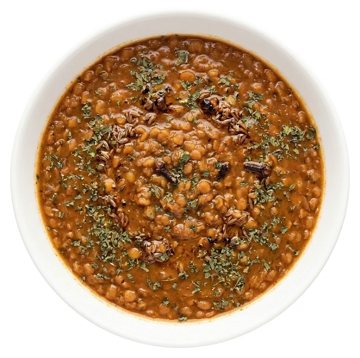
- Same: Both dishes season cooked lentils with a tempering of cumin seeds, asafoetida, ginger, turmeric, and chilli in oil or ghee.
- Different: Masoor ki Dal uses red or black split lentils simmered with rice cooking water rather than whole moong beans, omitting tomatoes, lemon juice, cardamoms, and black pepper.

- Same: Masoor Pappu Charu shares with this dish a lentil base and a tempering built on cumin, asafoetida, dried red chilli and turmeric, with ghee or oil as the fat.
- Different: It uses masoor dal, 600 g onion, tamarind extract, jaggery, mustard seed and curry leaf, while this dish uses whole moong, tomato, lemon juice and a ginger spice parcel and has no onion, tamarind or jaggery.