
Teekha Murg Tikka
Succulent skewered chicken thigh pieces coated in a sharp, aromatic marinade of chillies, dried mango powder, and vinegar, then charred over high heat until smoky and tender.
Marinade masala
138 gMixed into the marinade base (step 2)Everything else

Method
- Cut 750 g skinless, boneless chicken into bite-sized chunks (roughly 4 pieces per leg).
- In a wide dish, stir together the marinade masala, 2 tablespoon boiled onion paste, 1 tablespoon roasted chickpea flour, 2 g chopped coriander leaf, 2 tablespoon chopped onion, 9.9 g chopped green chilli, 1 tablespoon chaat masala, 75 g white malt vinegar, 114 g vegetable oil, and salt to taste until thoroughly blended.
- Toss the chicken in the marinade, rubbing it well over every piece. Cover and refrigerate for 2 hours.
- Preheat a charcoal grill, tandoor, or overhead broiler to medium heat. Thread the chicken pieces onto metal skewers, placing a tray beneath to catch any drips.
- Cook under or over the heat for 6 to 7 minutes until partially done. Remove from the heat and rest the skewers upright over a tray for 2 to 3 minutes to drain off excess moisture.
- Brush the chicken generously with melted butter to taste, then return to the grill for a further 3 to 4 minutes until cooked through and lightly charred. Serve immediately.
Don't have something?


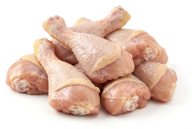 Chicken drumstick
Use the same weight; smaller, so reduce cooking time by 5–10 minutes and check at the bone.
 Chicken thigh
Use the same weight; boneless thigh cooks faster by 5–10 minutes. Juicier and less bony.
 Chicken pieces
Use the same weight; bone-in pieces give similar richness. Adjust time by size.


 Unsalted butter
Use 100% of the weight. If the original recipe relies on salted table butter, add a pinch of salt to balance.
 Ghee
Use 80% to 85% of the weight. Ghee is pure butterfat with moisture removed; it yields a deeper, nuttier flavour and handles high heat better.
 Vegetable oil
Use 80% of the weight for frying or tempering. The dish loses sweet dairy richness but remains glossy and light.


 Fresh ginger
Use equal weight; peel and grate very finely on a microplane or pound to a fine paste in a mortar.
 Ginger
Use equal weight; mince finely and crush with the flat of a knife before frying.
 Ground ginger
Use 20% of the weight; add directly with the dry spice powders, though it yields an earthier, less pungent profile.


 Garlic
Use equal weight; crush or finely grate to a smooth pulp to replicate the same fresh, pungent moisture in your base gravy.
 Garlic powder
Use 20 to 25% of the weight; mix with a teaspoon of water before adding to oil so it does not burn, noting it lacks the fresh bite.


 Onion paste
Use the same weight, then simmer in a little water for 5–8 minutes and cool; raw paste is sharper and stronger.
 Fried onion paste
Use about 75% of the weight; it is sweeter, darker and stronger, so reduce salt and sugar slightly.
 Boiled onion
Use the same weight, boil until soft and blend; it is the same thing made fresh.


 Yellow split pea flour
Use 100% of the weight. Many commercial gram flours are milled from split peas; performs identically in pakora batters and kadhi.
 Cornstarch
For crisping batters or binding cutlets: use 50% to 60% of the weight. Produces a very crisp shell but lacks the earthy, roasted nutty flavour of besan.






 Chilli powder
Use 10 to 15% of the weight (about 1/4 teaspoon per chilli); imparts dry pungent heat and reddens the dish without the grassy crunch.
 Dried red chilli
Use 1 dried pod per fresh green chilli; snap in half and temper in hot oil for a deeper, toastier heat.


 Ground cumin
Use 50% of the weight mixed with equal parts ground coriander and a pinch of ground cinnamon, ground cloves, and ground green cardamom. Sprinkle near the end for a warming finish.
 Lentil stew spice mix
Use 75% of the weight. Simmer briefly in the gravy; imparts roasted warmth and complexity, though it adds a slight tang and earthy lentil undertone.


 Lemon juice
Use 15 g (1 tbsp) for every 5 g of amchoor. Stir in at the very end off the heat; adds liquid and fresh citrus aroma rather than dry fruity tang.
 Tamarind extract
Use 75% of the weight, dissolved in a splash of warm water. Simmer briefly; darkens the gravy and provides a deeper, caramelised sourness.

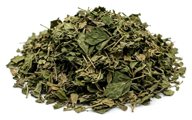
 Ground fenugreek
Use 20% of the weight; stir in during tempering rather than crushing over at the end, and be cautious as it turns bitter easily.
 Fenugreek seeds
Crush lightly and fry in the initial oil tempering, using 25% of the weight; provides bitter notes but lacks leafy aroma.


 Tandoori snack spice mix
Use the same weight; taste first as it can be smokier and saltier. Add lime or amchoor if the dish needs more tang.
 Dried mango powder
Use about half the weight, mixed with black salt and a pinch of ground cumin. It gives tang and saltiness but lacks the minty, asafoetida notes.
 Black salt
Use about half the weight and add lime juice to taste. It gives the salty, sulphurous edge but not the full tangy blend.


 Dried kashmiri chilli
Grind deseeded dried pods to an equal weight of powder; gives identical vivid red colour and gentle warmth.
 Red chilli powder
Use 25% of the weight mixed with sweet paprika for colour; straight red chilli powder is substantially hotter and will make the dish fiery.
- Chilli powder
Use one-third of the weight; the sauce will be less intensely red and notably sharper in heat.


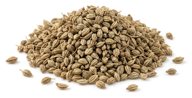 Carom seed
Use the same weight; this is the same spice.
 Cumin seed
Use 75% of the weight, toasted; different, less medicinal flavour.
 Fennel seed
Use 50% of the weight, crushed; sweeter and milder.


 White vinegar
Use 90% of the weight. It is sharper and lacks the mild malty grain undertone, so temper with a tiny pinch of sugar if needed.
- Lemon juice
Use 100% of the weight. Best for marinades or quick chutneys; imparts fresh citrus flavour instead of fermented acidity.


 Peanut oil
Use 1:1 by weight. Handles high-heat frying identically and introduces a very subtle, pleasant nuttiness.
- Ghee
Use 1:1 by weight. Yields a much richer, authentic aroma and a glossy, heavier mouthfeel.
 Mustard oil
Use 1:1 by weight. Heat until smoking, then cool slightly before cooking to temper its intensely pungent, sharp mustard kick.


Similar dishes
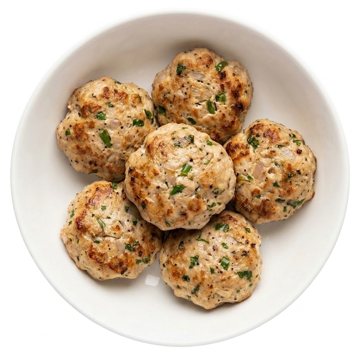
- Same: Murg Manpasand also features chicken seasoned with ginger, garlic, green chillies, garam masala, and fresh coriander.
- Different: Instead of grilling marinated chicken pieces, Murg Manpasand steams and pan-sears chicken patties using minimal oil, adding black peppercorns while omitting this dish's butter, chickpea flour, ajwain, kasuri methi, and the vinegar and amchoor souring agents.

- Same: Murg Banjara shares with this dish chicken leg pieces, skewer grilling, ginger-garlic paste, amchoor, chilli powder, vinegar, and butter.
- Different: Murg Banjara uses a yoghurt marinade with peanut paste, lemon juice, coriander paste, and mustard oil, while this dish uses boiled onion paste, chickpea flour, vegetable oil, white malt vinegar, garam masala, kasuri methi, chaat masala, ajwain, and Kashmiri chilli powder.
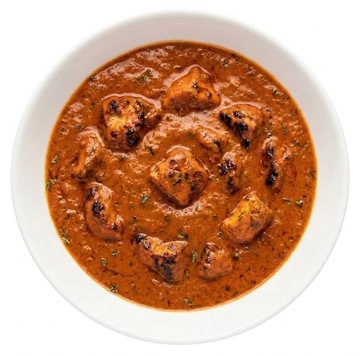
- Same: Both dishes feature charred chicken seasoned with ginger, garlic, green chillies, garam masala, kasuri methi, and butter.
- Different: Murgh Makhni serves the chicken in a rich gravy with cream, yogurt, cinnamon, cloves, and bay leaf, whereas this dish is a dry grilled skewer using chickpea flour, ajwain, and malt vinegar.
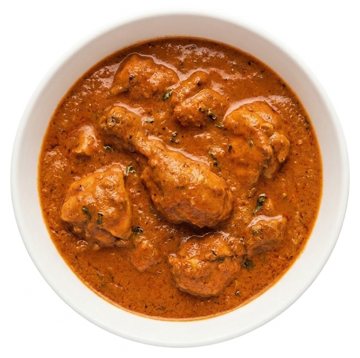
- Same: Butter Chicken shares chicken, ginger paste, garlic paste, kashmiri chilli powder, garam masala, kasuri methi, salt, and vegetable oil with this dish, and both use a spiced marinade before cooking the chicken.
- Different: Butter Chicken uses a yogurt and lime juice marinade and a tomato gravy finished with butter and cream, while this dish uses vinegar, amchoor, chaat masala, ajwain, chickpea flour, and boiled onion paste and is grilled or broiled rather than slow-cooked in gravy.