
Murg Banjara
Chicken pieces are steeped in a zesty ginger-garlic rub followed by a rich, spiced yoghurt marinade, then grilled on skewers and basted with butter until tender and lightly charred.
First marinade paste
5 gStirred with lemon juice and salt in step 1Second marinade spices
18 gWhisked into the yoghurt mixture in step 2Everything else

Method
- In a shallow dish, stir together the first marinade paste, 30.6 g lemon juice, and 0.3 g salt. Rub the mixture thoroughly over 850 g chicken legs, cover, and chill in the refrigerator for 1 hour.
- In a separate bowl, whisk together 240 g plain yogurt, 125 g roasted gram flour, 81 g mustard oil, 1 tablespoon vinegar, 2 tablespoons chopped herbs, salt to taste, and the second marinade spices. Remove the chicken from the first marinade, discard any excess liquid, and coat the pieces thoroughly in the yoghurt mixture. Cover and refrigerate for 2 to 3 hours.
- Prepare a charcoal barbecue or preheat an overhead grill (broiler) to medium. Thread the marinated chicken onto metal skewers set above a drip tray to catch any juices, and cook for 10 to 15 minutes, turning occasionally, until nearly cooked through.
- Suspend the skewers over a tray away from the heat for 2 to 3 minutes to let excess moisture drain. Brush the chicken generously with melted butter to taste and grill for another 3 to 4 minutes until fully cooked and nicely browned.
Don't have something?


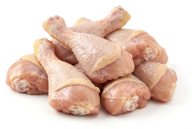 Chicken drumstick
Use the same weight; smaller, so reduce cooking time by 5–10 minutes and check at the bone.
 Chicken thigh
Use the same weight; boneless thigh cooks faster by 5–10 minutes. Juicier and less bony.
 Chicken pieces
Use the same weight; bone-in pieces give similar richness. Adjust time by size.


 Unsalted butter
Use 100% of the weight. If the original recipe relies on salted table butter, add a pinch of salt to balance.
 Ghee
Use 80% to 85% of the weight. Ghee is pure butterfat with moisture removed; it yields a deeper, nuttier flavour and handles high heat better.
 Vegetable oil
Use 80% of the weight for frying or tempering. The dish loses sweet dairy richness but remains glossy and light.


 Garlic
Use equal weight; crush or finely grate to a smooth pulp to replicate the same fresh, pungent moisture in your base gravy.
 Garlic powder
Use 20 to 25% of the weight; mix with a teaspoon of water before adding to oil so it does not burn, noting it lacks the fresh bite.


 Fresh ginger
Use equal weight; peel and grate very finely on a microplane or pound to a fine paste in a mortar.
 Ginger
Use equal weight; mince finely and crush with the flat of a knife before frying.
 Ground ginger
Use 20% of the weight; add directly with the dry spice powders, though it yields an earthier, less pungent profile.


 Lime juice
Use equal volume or weight; delivers almost identical sharp acidity with a faintly more aromatic, bitter-edged profile.
 Dried mango powder
Use 25% of the weight (about 1 g amchoor for 4 g juice); provides clean fruity tartness without thinning the sauce.
 White vinegar
Use 75% of the volume; gives direct sourness without any citrus floral fragrance.


 Yogurt
Use equal weight, whisked thoroughly until smooth before adding to hot dishes to prevent curdling.
 Coconut milk
Use equal weight with 1 teaspoon lemon juice mixed in. Provides rich creaminess in curries, but adds a noticeable coconut flavour.
 Single cream
Use 80% of the weight plus a squeeze of lemon juice for acidity. Enriches sauces nicely, though it is richer and less tangy.


 Peanut
For 100 g paste, grind 70–80 g roasted peanuts with a little water until smooth; add water gradually.
 Cashew paste
Use the same weight; it is creamier and milder, so reduce any added cream or sugar slightly.
 Almond paste
Use the same weight; it is sweeter and thicker, so loosen with a little water or stock.


- Lemon juice
Use 15 g (1 tbsp) for every 5 g of amchoor. Stir in at the very end off the heat; adds liquid and fresh citrus aroma rather than dry fruity tang.
 Tamarind extract
Use 75% of the weight, dissolved in a splash of warm water. Simmer briefly; darkens the gravy and provides a deeper, caramelised sourness.


 Red chilli powder
Use 100% of the weight. Provides direct, sharp heat and red colour in equal measure.
 Kashmiri chilli powder
Use 150% to 200% of the weight if matching colour, but add a pinch of black pepper or hot chilli if you need equivalent fiery heat.
 Cayenne pepper
Use 75% to 100% of the weight. Offers a sharp, clean heat with slightly less earthy depth and less crimson colour.


 Coriander leaves
Use the same weight, blend with a little water to a paste. It is fresher and brighter; add a little less water to the dish.
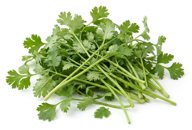 Coriander (cilantro) stem
Use the same weight, blended with water. It gives a stronger, slightly earthier flavour, so use a little less if the stems are mature.
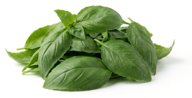 Basil leaves
Use the same weight, blended with a little water. It is sweeter and more aniseed-like, so use in dishes where that change is welcome.


 Peanut oil
Use equal weight. It handles high-heat cooking well, but lacks the signature pungent, nasal heat of mustard oil.
- Vegetable oil
Use equal weight. Neutral in flavour, so your curry will lack the characteristic Bengali or North Indian pungent punch.


- White vinegar
Use 100% of the weight directly. It delivers an identical sharp, clean acidity to curries and marinades.
- Lemon juice
Use 100% of the weight. Add towards the end of cooking off the heat; introduces a fruity citrus aroma rather than pungent acetic sharpness.
- Tamarind extract
Use 75% of the weight diluted in a splash of warm water. Gives a rich, fruity sourness and darkens the gravy.
Similar dishes

- Same: Murg Methi Tikka also uses grilled chicken marinated with ginger, garlic, lemon juice, chilli powder, and mustard oil, finished with butter.
- Different: It uses chicken breasts instead of legs and adds fenugreek, green chillies, and chickpea flour, while omitting the amchoor and vinegar found in this dish.

- Same: Both recipes feature chicken seasoned with ginger, garlic, lemon juice, and salt.
- Different: Kali Mirch ka Murg is a pan-cooked curry made with onions, black peppercorns, and vegetable oil, omitting the yogurt, chilli powder, mustard oil, amchoor, vinegar, and grilled skewer preparation of this dish.

- Same: Both dishes cook chicken with plain yogurt, ginger paste, and garlic paste.
- Different: Murg Kali Mirch is prepared as a stovetop curry using onions, vegetable oil, and cracked black pepper, omitting this dish's butter-basted grilling method, mustard oil, chilli powder, amchoor, vinegar, and lemon juice.

- Same: Teekha Murg Tikka is also skewered chicken leg marinated with ginger, garlic, amchoor and chilli powder, then grilled and basted with butter.
- Different: It lacks this dish's yogurt, peanut paste, mustard oil, lemon juice and coriander paste, and instead uses malt vinegar, boiled onion paste, chickpea flour, ajwain, kasuri methi, chaat masala and vegetable oil.