
Patra Ni Macchi
Parsi-style fish coated in a vivid green coconut, herb and chilli paste, then wrapped and steamed. It tastes fresh and herby with gentle heat and a tang from lemon and vinegar.
Fish rub
3 gSprinkled over the fish with salt (step 2)Green paste masala
2.1 gBlended into the green paste (step 3)Everything else


Method
- Set up a steamer: place a trivet and an upturned saucer or lid in a saucepan, add water to below the trivet and bring to the boil.
- Lay 600 g lemon sole on a plate, sprinkle with the fish rub (3 g ground turmeric) and 0.3 g salt, and set aside.
- For the paste, blend 13.5 g vegetable oil, 30 g spring onion, 90 g coriander leaves and stems, 50 g mint leaves, 110 g freshly grated coconut (or desiccated coconut soaked for 2 minutes in warm water and drained), 4 g green bird’s eye chilli, 9 g garlic, the green paste masala (2.1 g toasted cumin seed), 45.9 g lemon juice and 8.4 g granulated sugar with a little salt until smooth.
- Place each fish portion on foil or greaseproof paper (or a banana leaf), smear a thick layer of the green paste on both sides, and fold and seal the edges into parcels, leaving room for air inside.
- Add 30 g malt vinegar to the steamer water and bring back to the boil.
- Steam the fish parcels over the boiling water for 12–14 minutes, until cooked; cook in batches if they do not fit.
- Transfer the parcels to a plate, open them, baste the fish with the juices and garnish with coriander leaves.
Don't have something?


 Sole
Use the same weight; cook for 2–3 minutes less if the fillets are thin, as sole overcooks quickly.
 Flat fish fillet
Use the same weight; score thick fillets and simmer gently for 5–8 minutes until just flaking.
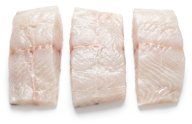 Firm white fish fillet
Use the same weight; cut into similar-sized pieces and cook 2–3 minutes longer than sole.


 Ground ginger
Use 50% of the weight. Mimics turmeric's warm, earthy, rhizome background, but provides none of the golden-yellow colour.
 Saffron
Steep a tiny pinch (0.1 g per 2 g turmeric) in 2 tbsp warm water; use to match the rich golden hue. Contributes an aristocratic, honeyed floral flavour rather than earthy bitterness.


 White malt vinegar
Use the same weight; sharper and clearer; reduce salt slightly.
 White vinegar
Use 90% of the weight, diluted with 10% water; harsher, so taste.
 Lime juice
Use the same weight; fresher sourness but no malt flavour; reduce salt.


 Coriander (cilantro) or basil
Use the same weight, choosing the coriander element if available. If only basil is available, expect a sweeter, more aniseed flavour.
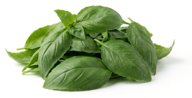 Basil leaves
Use the same weight. Basil is sweeter and more aromatic in a different way; add near the end so it keeps its perfume.
 Coriander paste
Use 1.5 times the weight and reduce other liquid slightly; it is less fresh and more concentrated, so taste before adding more.


 Peanut oil
Use 1:1 by weight. Handles high-heat frying identically and introduces a very subtle, pleasant nuttiness.
 Ghee
Use 1:1 by weight. Yields a much richer, authentic aroma and a glossy, heavier mouthfeel.
 Mustard oil
Use 1:1 by weight. Heat until smoking, then cool slightly before cooking to temper its intensely pungent, sharp mustard kick.


 Spring onion green
Use the same weight; use only the green parts, so the dish loses some of the white onion base.
 Onion
Use 60% of the weight, finely sliced; stronger and sharper, so cook it down more.
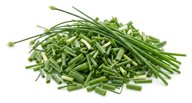 Chive
Use the same weight; milder and best added late or as a garnish, not as a cooked base.

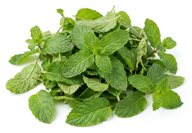
 Mint leaf
Use the same weight; identical herb, just the singular listing.
 Dried mint
Use 25% of the fresh weight, about 1 g dried for 4 g fresh; crush and add early so it softens.
- Coriander leaves
Use the same weight; it keeps the fresh green taste but loses the cooling mint aroma.


 Fresh coconut
Grate the same weight just before use; keep the texture coarse for garnishes.
 Grated desiccated coconut
Use 70% of the weight, soak in warm water for 10 minutes and squeeze dry before use.
 Desiccated coconut
Use 70% of the weight, soak in warm water for 10 minutes and drain; it will be drier and less milky.


- Bird's eye green chilli
Use the same weight; heat and flavour are very close.
 Green chilli
Use 1.5 to 2 times the weight; deseed for less heat. Larger chillies are more watery.
 Fresh green chilli
Use 1.5 to 2 times the weight; chop finely and adjust heat by tasting.


 Garlic paste
Use equal weight. Fry gently in oil or ghee with the ginger; incorporates smoothly into curries without visible minced bits.
 Garlic powder
Use 15% to 20% of the weight (about 1 g for every 5 to 6 g fresh cloves). Whisk into sauces; gives a savoury, toasted garlic flavour without raw pungency.
 Shallot
Use 1.5 times the weight, very finely minced. Sauté until golden; provides savoury allium sweetness, though it lacks garlic's pungent sulphur bite.


 Cumin seed
Use the same weight; dry-toast over low heat for 30–60 seconds until aromatic, then cool.
 Ground cumin
Use 75–80% of the weight; add near the end as it burns easily. More intense, less crunch.
 Caraway seeds
Use the same weight; toast lightly. The flavour is different, more rye-like, so use only if you like it.


- Lime juice
Use equal volume or weight; delivers almost identical sharp acidity with a faintly more aromatic, bitter-edged profile.
 Dried mango powder
Use 25% of the weight (about 1 g amchoor for 4 g juice); provides clean fruity tartness without thinning the sauce.
- White vinegar
Use 75% of the volume; gives direct sourness without any citrus floral fragrance.


 Jaggery
Use equal weight; grate or shave finely so it dissolves rapidly, giving a warm, caramel-like sweetness and slightly darker sauce.

Similar dishes

- Same: Grilled Sea Bream with Coconut & Coriander Chutney shares fish, coconut, coriander, green chilli, lemon juice and vegetable oil with this dish.
- Different: It uses whole sea bream griddled and finished under the grill with a chutney containing mustard seed, chana dal, curry leaf, ginger, fennel and caraway, while this dish wraps lemon sole in a herb-coconut paste and steams it with vinegar, mint and spring onion.

- Same: Maharashtrian Fish Kalwan shares white fish, turmeric, malt vinegar, vegetable oil, green bird’s eye chilli, coriander leaves, coconut, cumin seed and garlic with this dish.
- Different: Maharashtrian Fish Kalwan is a curry with coconut milk, tamarind paste, ginger, curry leaves, Kashmiri chilli powder and black peppercorn, while this dish uses mint, spring onion, lemon juice, sugar and toasted cumin in a green coconut paste and is wrapped and steamed.

- Same: Goan Fish Caldine shares white fish, turmeric, green bird's eye chilli, coriander, cumin and vegetable oil with this dish.
- Different: Goan Fish Caldine is a simmered curry with cod, onion, tomato, ginger, coconut milk, tamarind paste, black peppercorn and coriander seeds, while this dish is steamed lemon sole in a green coconut-herb paste with mint, spring onion and lemon juice.

- Same: Kerala Meen Mappas shares fish, coconut, green bird’s eye chilli, garlic, turmeric and vegetable oil with this dish.
- Different: Kerala Meen Mappas uses coconut milk, mustard seeds, curry leaves, onion, ginger, tamarind and lime and is simmered as a curry, while this dish uses grated coconut, coriander, mint, lemon juice and vinegar in a paste and is wrapped and steamed.