
Kerala Meen Mappas
A creamy, gently spiced Kerala-style fish curry with coconut milk, mustard seeds and curry leaves. It tastes rich and mild-hot, with a sour lift from tamarind and lime.
Whole spices for the oil
3.5 gAdded to the hot oil first (step 3)Ground spice mix
7 gStirred into the pan with water before the fish (step 7)Everything else

Method
- Mix 1.1 g ground black pepper, 3 g ground turmeric and 2.6 g kashmiri chilli powder in a small bowl.
- Warm 13.5 g vegetable or coconut oil in a wide pan over medium heat.
- Add 3.5 g black mustard seed and cook until they start to pop.
- Add 110 g onion and fry for 6–7 minutes, stirring often, until soft.
- Add 3 g curry leaf and 4 g green bird’s eye chilli and fry for 1 minute.
- Add 10 g ginger and 24 g garlic, stir, and cook for 1 minute.
- Stir in the ground spice mix and 99.4 g water.
- Add 800 g sea bream steaks and turn them gently to coat in the masala.
- Pour in 406 g coconut milk, stir in 6 g tamarind paste and season with salt to taste.
- Turn the fish once, cover, and simmer on low for 10–12 minutes, until the fish is opaque and flakes; swirl the pan once halfway through.
- Finish with lime juice to taste.
Don't have something?


 Sunflower oil
Use the same weight. Neutral, no change to flavour.
 Groundnut oil
Use the same weight. Slightly nutty, suits Indian dishes.
 Mustard oil
Use the same weight but heat to smoking point first. Strong pungent flavour changes the dish.


 Mustard seeds
Use equal weight. Pop in hot fat until they crackle and turn greyish; yields an almost identical nutty, pungent finish.
 Yellow mustard seeds
Use equal weight. Fry over medium heat; delivers a milder, sweeter pop and turns bitter quickly if the oil is excessively hot.






 Bay leaf
Fry 1 bay leaf for every 5 curry leaves in hot oil; imparts a warm, woodsy background note, but misses the citrus-sulphury punch entirely.
 Lime juice
Add a small squeeze (about 5 ml per sprig of curry leaves) right before serving; provides sharp citrus top notes without the toasty, herbal aroma.


- Bird's eye green chilli
Use the same weight; heat and flavour are very close.
 Green chilli
Use 1.5 to 2 times the weight; deseed for less heat. Larger chillies are more watery.
 Fresh green chilli
Use 1.5 to 2 times the weight; chop finely and adjust heat by tasting.


 Ginger paste
Use equal weight. Sauté in hot fat until the raw allium smell disappears; slightly wetter, but provides identical warmth and pungency.
 Ground ginger
Use 20% to 25% of the weight (1 g for every 4 to 5 g fresh). Stir into the gravy; adds peppery heat and warmth, though it misses the crisp, zesty kick of raw root.



 Garlic paste
Use equal weight. Fry gently in oil or ghee with the ginger; incorporates smoothly into curries without visible minced bits.
 Garlic powder
Use 15% to 20% of the weight (about 1 g for every 5 to 6 g fresh cloves). Whisk into sauces; gives a savoury, toasted garlic flavour without raw pungency.
 Shallot
Use 1.5 times the weight, very finely minced. Sauté until golden; provides savoury allium sweetness, though it lacks garlic's pungent sulphur bite.


 Stock
Use the same weight in savoury dishes; it adds body, so adjust salt.
 Milk
Use the same weight only in doughs or creamy dishes; it makes the result richer.
 Coconut water
Use the same weight in curries or rice; it adds sweetness and a faint coconut taste.


 Sea bass
Use the same weight; reduce cooking by 1–2 minutes.
 Pomfret
Use the same weight; similar firm flesh, and score the skin if cooking whole.
 Firm white fish fillet
Use the same weight; reduce cooking by 2–3 minutes and handle gently.


 Single cream
Use equal weight; simmer gently over low heat to prevent curdling. Imparts a comparable rich texture, though it adds dairy richness without any coconut fragrance.
 Cashew paste
Whisk 1 part cashew paste with 2 parts water to match the consistency, then use equal weight. Provides a thick, velvety body without coconut flavour.
 Whole milk
Use equal weight, but reduce other cooking liquids by 20% to compensate for the lower viscosity. The curry will be lighter and lack sweetness.


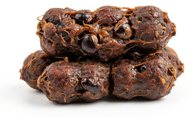 Tamarind pulp
Use 120–150% of the weight and strain; pulp is less concentrated, so simmer a little longer to thicken.
 Tamarind extract
Use 150–200% of the weight and reduce gently; extract is already diluted.
- Lime juice
Use 60–70% of the weight with a pinch of jaggery; sharper, so add near the end off the heat.
 Lemon juice
Use equal volume or weight; slightly sweeter and less pungent, but otherwise an imperceptible swap.
 Dried mango powder
Use 25% of the weight; imparts dry, fruity sourness, best stirred in right at the end of cooking.
- Tamarind extract
Use 50% of the weight; delivers pleasant fruity tang but turns pale sauces considerably darker.


 Black peppercorn
Use 1:1 by weight; pulverise in a spice mill or mortar to a fine powder for immediate, punchy heat.
 Coarsely ground black pepper
Use equal weight; offers the same bite, though it gives a visibly speckled finish and firmer crunch.


- Ground ginger
Use 50% of the weight. Mimics turmeric's warm, earthy, rhizome background, but provides none of the golden-yellow colour.
 Saffron
Steep a tiny pinch (0.1 g per 2 g turmeric) in 2 tbsp warm water; use to match the rich golden hue. Contributes an aristocratic, honeyed floral flavour rather than earthy bitterness.


 Dried kashmiri chilli
Grind deseeded dried pods to an equal weight of powder; gives identical vivid red colour and gentle warmth.
 Red chilli powder
Use 25% of the weight mixed with sweet paprika for colour; straight red chilli powder is substantially hotter and will make the dish fiery.
 Chilli powder
Use one-third of the weight; the sauce will be less intensely red and notably sharper in heat.

Similar dishes

- Same: Goan Fish Caldine shares coconut milk, tamarind, green bird’s eye chilli, onion, garlic, ginger, turmeric and a simmered fish-in-coconut-curry style with this dish.
- Different: Goan Fish Caldine uses cod, Goan vinegar, tomato, sugar, coriander leaf, cumin seed, black peppercorn and coriander seeds, while this dish uses sea bream, mustard seeds, curry leaves, Kashmiri chilli powder and lime juice.

- Same: Kerala Fish Moilee shares coconut milk, tamarind paste, black mustard seed, turmeric, black pepper, water, curry leaf, ginger, garlic, onion and green chilli with this dish.
- Different: Kerala Fish Moilee uses white fish instead of sea bream, adds lime, sugar, green cardamom and coriander leaf, has more vegetable oil and less onion, ginger, garlic and curry leaf, and lacks Kashmiri chilli powder.

- Same: It shares sea bream, turmeric, curry leaves, tamarind, onion, garlic, ginger and Kashmiri chilli powder with this dish.
- Different: It uses a whole fish, banana leaf, lemon, ground coriander and sugar and is roasted in a leaf parcel, while this dish is a coconut-milk curry with mustard seeds, green chilli and lime juice.

- Same: Maharashtrian Fish Kalwan shares with this dish a coconut-milk fish curry base with tamarind, curry leaves, green bird’s eye chilli, ginger, garlic, turmeric and Kashmiri chilli powder.
- Different: Maharashtrian Fish Kalwan uses firm white fish, fresh coconut, cumin seed, black peppercorn, malt vinegar and coriander leaves, while this dish uses sea bream, onion, black mustard seed, lime juice and much more coconut milk.