Indian cooking
Indian cooking / Dishes / Paneer di Bhurji
Paneer di Bhurji (Paneer Scramble)

Paneer di Bhurji

Paneer Scramble
Vegetarian●●●Origin PunjabPrep 20 minutesCook 20–25 minutes

A textured scramble of crumbled paneer and tender split chickpeas cooked into an aromatic tomato and onion base. Warm whole and ground spices give it a robust, savoury flavour with a fresh kick of heat from green chillies.

Turmeric-chilli paste

4.1 gMixed with water and fried into the onion base (step 4)
01
1.5 g½ teaspoon
spice
02
2.6 g1 teaspoon
spice
Stir with 2 tablespoons of water to form a smooth paste.

Tempering cumin

2.1 gBloomed in hot ghee (step 2)
01
2.1 g1 teaspoon
spice
Keep whole for the hot fat.

Ginger-garlic paste

26 gStir-fried with the browned onions (step 3)
Combine the pastes together.

Finishing spices

12 gStirred into the scramble at the end (step 8)
Mix the ground spices together.

Everything else

01
53 g4 tablespoons
oil/fat
02
90 g
vegetable
03
175 g
vegetable
05
450 g
dairy
06
Green chilli · Hari Mirchde-seeded and cut into long strips
24 g4 chillies
vegetable
07
to taste
salt
08
Ginger · Adrakpeeled and cut into juliennes
19 g1 piece
aromatic
09
4 g4 tablespoons
herb

Method

  1. Blend the turmeric-chilli paste with 2 tablespoons of water in a small ramekin until uniform.
  2. Set a heavy pan over medium heat and melt 52.8 g ghee. Add the tempering cumin and fry for about 1 minute until sizzled and fragrant.
  3. Toss in 90 g onion and sauté for 5 minutes until soft and light golden. Stir in the ginger-garlic paste and cook for 1 minute until the moisture boils off.
  4. Pour in the loosened turmeric-chilli paste and cook for 30 seconds, stirring until the pan dries out.
  5. Add 175 g tomato and fry for roughly 5 minutes, mashing occasionally, until juices evaporate and the sauce thickens.
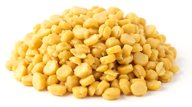
  6. Fold in 300 g cooked chana dal and stir-fry for 2 minutes until droplets of fat begin to surface.
  7. Mix in 450 g paneer, 24 g green chilli, and salt to taste. Fry gently for 1 minute to warm everything through.
  8. Tip in the finishing spices, stir well to distribute the aromatics, and immediately pull the pan from the heat. Check and correct the salt level.
  9. Plate the scramble and scatter over 19.2 g ginger and 4 g coriander leaf before serving.

Don't have something?

Ground turmeric
  • Ground ginger

    Use 50% of the weight. Mimics turmeric's warm, earthy, rhizome background, but provides none of the golden-yellow colour.

  • Saffron

    Steep a tiny pinch (0.1 g per 2 g turmeric) in 2 tbsp warm water; use to match the rich golden hue. Contributes an aristocratic, honeyed floral flavour rather than earthy bitterness.

Chilli powder
  • Red chilli powder

    Use 100% of the weight. Provides direct, sharp heat and red colour in equal measure.

  • Kashmiri chilli powder

    Use 150% to 200% of the weight if matching colour, but add a pinch of black pepper or hot chilli if you need equivalent fiery heat.

  • Cayenne pepper

    Use 75% to 100% of the weight. Offers a sharp, clean heat with slightly less earthy depth and less crimson colour.

Ghee
  • Unsalted butter

    Use 120% of the weight; melt gently over low heat to avoid burning the milk solids, which will yield a softer, creamier richness rather than a nutty aroma.

  • Vegetable oil

    Use 85% of the weight; holds high cooking temperatures without smoking, but the final dish will lack traditional dairy depth.

  • Mustard oil

    Use equal weight; heat to smoking point and cool slightly before cooking, bearing in mind it introduces an assertive, pungent edge.

Cumin seed
  • Ground cumin

    Use 70% of the weight; add with ground spices or sauce bases rather than hot oil tempering, where it scorches quickly and turns bitter.

  • Black cumin seeds

    Use equal weight for oil tempering. Delivers an earthy profile with an additional musky, smoky, and slightly bitter edge.

  • Fennel seed

    Use 60% of the weight for tempering; offers comparable warm aroma, but leans sweet and liquorice-like rather than savoury and earthy.

Onion
  • Shallot

    Use equal weight, finely sliced. Shallots soften and brown faster, giving a slightly sweeter and more delicate base to curries.

  • Cabbage

    Use 80% of the weight, finely shredded and browned slowly with a pinch of asafoetida. Replicates the bulk and natural sweetness in gravies without allium.

Ginger paste
  • Fresh ginger

    Use equal weight; peel and grate very finely on a microplane or pound to a fine paste in a mortar.

  • Ginger

    Use equal weight; mince finely and crush with the flat of a knife before frying.

  • Ground ginger

    Use 20% of the weight; add directly with the dry spice powders, though it yields an earthier, less pungent profile.

Garlic paste
  • Garlic

    Use equal weight; crush or finely grate to a smooth pulp to replicate the same fresh, pungent moisture in your base gravy.

  • Garlic powder

    Use 20 to 25% of the weight; mix with a teaspoon of water before adding to oil so it does not burn, noting it lacks the fresh bite.

Tomato
  • Tomato purée

    Use 40% to 50% of the fresh tomato weight mixed with a splash of water. Imparts a deeper red colour, thicker sauce, and slightly sweeter cooked flavour.

  • Plain yogurt

    Use 60% of the weight, whisked smooth and added on low heat. Provides rich body and sourness, though the gravy becomes paler and creamier.

Cooked chana dal
  • Chana dal

    Boil raw chana dal in salted water until tender but holding shape; use 40% raw weight to achieve the cooked weight required. Retains authentic nutty bite.

  • Pigeon peas

    Cook until soft and use equal weight. It breaks down much faster than chana dal, producing a softer, smoother, and less textured gravy.

  • Dried chickpea

    Soak, boil until soft, and chop roughly; use equal cooked weight. Flesh is meatier and less sweet than split chana dal.

Paneer
  • Extra-firm tofu

    Use equal weight, pressed well to remove excess moisture and cut into cubes. Pan-fry lightly before adding; absorbs sauces similarly, though it lacks dairy sweetness.

  • Halloumi

    Use equal weight, soaked in warm water for 20 minutes to leach out excess salt. Holds shape during frying, but has a denser, saltier chew.

Green chilli
  • Chilli powder

    Use 10 to 15% of the weight (about 1/4 teaspoon per chilli); imparts dry pungent heat and reddens the dish without the grassy crunch.

  • Dried red chilli

    Use 1 dried pod per fresh green chilli; snap in half and temper in hot oil for a deeper, toastier heat.

Coarsely ground black pepper
  • Black peppercorn

    Crush whole peppercorns roughly in a mortar or under a heavy skillet; use equal weight. Yields the exact same fiery heat and crunchy bite.

  • Ground black pepper

    Use 70% of the weight. It disperses heat much more aggressively through sauces and can darken the dish, lacking the crunchy specks of coarse pepper.

Ground green cardamom
  • Green cardamom seed

    Grind freshly extracted inner black seeds finely; use equal weight (1:1). Greatly superior aroma with potent eucalyptus and citrus notes.

  • Green cardamom pod

    Lightly crack whole pods and simmer them in the gravy; use 150% of the weight of ground cardamom. Fish out the pods before serving.

  • Ground nutmeg

    Use 50% of the weight. Delivers warm, sweet aroma, but lacks cardamom's cooling, citrusy top notes.

Ground clove
  • Ground allspice

    Use 1.5–2 times the weight; it has a similar warm pungency but is milder and rounder, so the dish loses clove’s sharp medicinal heat.

  • Ground cinnamon (cassia)

    Use the same weight; it gives warmth but is sweeter and lacks clove’s strength, so use only if the amount is small.

Ground nutmeg
  • Nutmeg

    Grate whole nutmeg finely on a microplane; use 80% to 100% of the weight. Freshly grated nutmeg has significantly more aromatic oils and a more vibrant aroma.

  • Ground mace

    Use 100% to 120% of the weight. Mace is nutmeg's outer husk, providing almost identical warmth but with a lighter, slightly more delicate, floral edge.

  • Ground cinnamon (cassia)

    Use 75% of the weight. Adds comparable warmth and sweetness, though it lacks the musky, nutty undertone of nutmeg.

Ground fenugreek
  • Fenugreek seeds

    Grind whole seeds finely in a spice grinder; use equal weight (1:1). Ensure it cooks through gently, as undercooked or burnt ground seeds become intensely bitter.

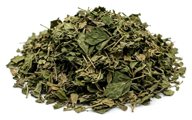
  • Dried fenugreek leaves

    Crush dried leaves between your palms and add towards the end; use 50% of the weight. Gives the unmistakable maple-herb aroma without the sharp bitterness of the seeds.


  • Yellow mustard seeds

    Grind finely; use 50% of the weight. Adds an earthy, sharp bite, though it lacks the distinctive sweet-curry smell.

Ginger
  • Fresh ginger

    Use equal weight; scrape off the skin and grate or finely julienne according to the recipe.

  • Ginger paste

    Use equal weight; stir straight into the sizzling aromatics, taking care as the extra moisture may spit.

  • Ground ginger

    Use 15 to 20% of the weight; add alongside ground spices, noting it imparts warm, dry heat rather than zesty freshness.

Coriander leaf
  • Coriander

    Use equal weight finely chopped; this is the exact same fresh herb.

  • Mint

    Use half the weight finely chopped; provides vibrant green freshness, though the flavour profile becomes noticeably cooler and sharper.

Similar dishes

Aloo Vadiyan
Spicy Lentil Dumplings with Potatoes
Aloo Vadiyan is tangier and milder due to the yogurt base, lacking the sharp chilli heat and warm, aromatic depth of cloves and nutmeg found in this dish.
  • Same: Both dishes are cooked in ghee using a base of onions, tomatoes, ginger, and garlic seasoned with cumin seeds, turmeric, chilli powder, and fenugreek.
  • Different: Aloo Vadiyan is a saucy potato curry simmered with yogurt and ground coriander, whereas this dish is a dry scramble made with paneer, chana dal, fresh green chillies, black pepper, cardamom, cloves, and nutmeg.
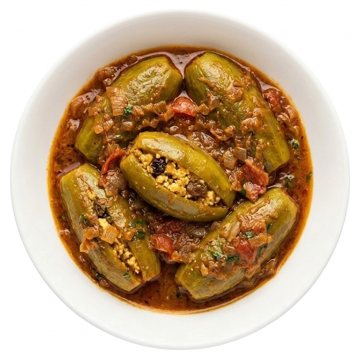
Potoler Dolma
Wax Gourd Curry
Potoler Dolma has a sweeter, pungent finish from raisins and mustard oil, whereas this dish is more intensely peppery, earthy, and savoury.
  • Same: Both dishes feature paneer cooked with an onion and tomato base, cumin seeds, ginger, garlic, and green chillies.
  • Different: Potoler Dolma stuffs the paneer with raisins inside wax gourds simmered in mustard oil, whereas this dish scrambles paneer directly with chana dal in ghee using black pepper, nutmeg, cloves, cardamom, and fenugreek.
Achari Paneer
Paneer in Pickling Spices
Achari Paneer tastes significantly tangier and sharper due to the yogurt, amchoor, and pungent pickling seeds, whereas this dish is richer and warmer from ghee, tomatoes, cloves, cardamom, and nutmeg.
  • Same: Achari Paneer also features paneer cooked with onions, green chillies, ginger, garlic, cumin seeds, turmeric, and chilli powder.
  • Different: Rather than scrambling the paneer with chana dal, tomatoes, and ghee, Achari Paneer cooks cubed paneer in vegetable oil with a yogurt gravy and pickling spices including mustard, nigella, aniseed, and amchoor.
Dhingri Dulma
Mushroom, (Bell) Pepper & Paneer Curry
Dhingri Dulma is more concentrated and tangier from the heavier tomato base, lacking the sharp raw heat of green chillies and the earthy, savoury bulk of split chickpeas.
  • Same: Dhingri Dulma also uses 450 grams of paneer cooked into a tomato base seasoned with ginger, garlic, black pepper, cloves, cardamom, and fenugreek.
  • Different: Dhingri Dulma uses black cumin instead of regular cumin, omits the chana dal, onions, green chillies, and turmeric, and relies on nearly triple the quantity of tomatoes.