Indian cooking
Indian cooking / Dishes / Potoler Dolma
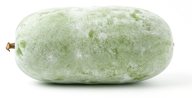
Potoler Dolma (Wax Gourd Curry)

Potoler Dolma

Wax Gourd Curry
Vegetarian●●●Origin West BengalPrep 25–30 minutesCook 30 minutes

Tender wax gourds are stuffed with spiced paneer and raisins, then gently simmered in a fragrant mustard oil and tomato sauce. The dish balances savoury richness with subtle sweetness and warming aromatics.

Whole spices

2.1 gFried in the hot oil (step 3)
01
2.1 g1 teaspoon
spice
Keep whole for tempering.

Ginger-garlic paste

21 gStir-fried with the browned onions (step 3)
Mix the pastes together thoroughly.

Ground chilli

2.6 gAdded alongside the tomatoes (step 4)
01
2.6 g1 teaspoon
spice
Keep as a dry powder.

Finishing garam masala

2.6 gSprinkled into the curry just before taking off the heat (step 5)
01
2.6 g1 teaspoon
spice blend
Leave as a ground powder.

Everything else

01
300 g
vegetable
02
137 g150 ml
oil/fat
03
7 g2 teaspoons
vegetable
04
8 g2 teaspoons
vegetable
05
0.3 g1 teaspoon
herb
07
0.7 g2 teaspoons
herb
08
3.3 g1 teaspoon
vegetable
09
6 g2 teaspoons
fruit
10
to taste
salt

Method

  1. Cut a lengthwise slit down one side of 300 g wax gourd and clear out the internal seeds. In a bowl, thoroughly mix 200 g paneer, 0.7 g coriander leaf, 3.3 g green chilli, 2 teaspoon raisin, and salt to taste to form the filling.
  2. Heat 137 g mustard oil in a deep pan or kadhai to 180°C (350°F). Fry the prepared wax gourds for 2 to 3 minutes until par-cooked, then lift them out with a slotted spoon to drain on paper towels. Set aside the frying oil. Once cool enough to handle, spoon the paneer mixture into the cavities of the gourds.
  3. Transfer 6 tablespoons of the reserved mustard oil to a wide, heavy pan set over medium heat. Tip in the whole spices and let them crackle for 1 minute. Add 2 teaspoon onion and fry for 5 to 7 minutes until rich golden brown, then add the ginger-garlic paste and cook for another 2 to 3 minutes.
  4. Add 2 teaspoon tomato and the ground chilli. Stir-fry for 1 to 2 minutes until the tomatoes break down and the oil separates to the top.
  5. Pour in 125 ml water and bring to a boil. Place the stuffed gourds into the sauce, cover, and cook over low heat for 10 to 15 minutes until tender throughout. Dust with the finishing garam masala and 0.3 g coriander leaf, stir gently, and remove from the heat.

Don't have something?

Wax gourd
  • Ash gourd

    Use the same weight; peel, deseed and cut to the same size. It holds shape slightly better, so give it 2–3 minutes more.

  • Bottle gourd

    Use the same weight; peel and deseed. It is softer and waterier, so cook 3–4 minutes less and reduce added water.

  • Pumpkin

    Use the same weight; peel and deseed. It is sweeter and softens faster, so cook 3–5 minutes less.

Mustard oil
  • Peanut oil

    Use equal weight. It handles high-heat cooking well, but lacks the signature pungent, nasal heat of mustard oil.

  • Vegetable oil

    Use equal weight. Neutral in flavour, so your curry will lack the characteristic Bengali or North Indian pungent punch.

Cumin seed
  • Ground cumin

    Use 70% of the weight; add with ground spices or sauce bases rather than hot oil tempering, where it scorches quickly and turns bitter.

  • Black cumin seeds

    Use equal weight for oil tempering. Delivers an earthy profile with an additional musky, smoky, and slightly bitter edge.

  • Fennel seed

    Use 60% of the weight for tempering; offers comparable warm aroma, but leans sweet and liquorice-like rather than savoury and earthy.

Onion
  • Shallot

    Use equal weight, finely sliced. Shallots soften and brown faster, giving a slightly sweeter and more delicate base to curries.

  • Cabbage

    Use 80% of the weight, finely shredded and browned slowly with a pinch of asafoetida. Replicates the bulk and natural sweetness in gravies without allium.

Ginger paste
  • Fresh ginger

    Use equal weight; peel and grate very finely on a microplane or pound to a fine paste in a mortar.

  • Ginger

    Use equal weight; mince finely and crush with the flat of a knife before frying.

  • Ground ginger

    Use 20% of the weight; add directly with the dry spice powders, though it yields an earthier, less pungent profile.

Garlic paste
  • Garlic

    Use equal weight; crush or finely grate to a smooth pulp to replicate the same fresh, pungent moisture in your base gravy.

  • Garlic powder

    Use 20 to 25% of the weight; mix with a teaspoon of water before adding to oil so it does not burn, noting it lacks the fresh bite.

Chilli powder
  • Red chilli powder

    Use 100% of the weight. Provides direct, sharp heat and red colour in equal measure.

  • Kashmiri chilli powder

    Use 150% to 200% of the weight if matching colour, but add a pinch of black pepper or hot chilli if you need equivalent fiery heat.

  • Cayenne pepper

    Use 75% to 100% of the weight. Offers a sharp, clean heat with slightly less earthy depth and less crimson colour.

Tomato
  • Tomato purée

    Use 40% to 50% of the fresh tomato weight mixed with a splash of water. Imparts a deeper red colour, thicker sauce, and slightly sweeter cooked flavour.

  • Plain yogurt

    Use 60% of the weight, whisked smooth and added on low heat. Provides rich body and sourness, though the gravy becomes paler and creamier.

Garam masala
  • Ground cumin

    Use 50% of the weight mixed with equal parts ground coriander and a pinch of ground cinnamon, ground cloves, and ground green cardamom. Sprinkle near the end for a warming finish.

  • Lentil stew spice mix

    Use 75% of the weight. Simmer briefly in the gravy; imparts roasted warmth and complexity, though it adds a slight tang and earthy lentil undertone.

Coriander leaf
  • Coriander

    Use equal weight finely chopped; this is the exact same fresh herb.

  • Mint

    Use half the weight finely chopped; provides vibrant green freshness, though the flavour profile becomes noticeably cooler and sharper.

Paneer
  • Extra-firm tofu

    Use equal weight, pressed well to remove excess moisture and cut into cubes. Pan-fry lightly before adding; absorbs sauces similarly, though it lacks dairy sweetness.

  • Halloumi

    Use equal weight, soaked in warm water for 20 minutes to leach out excess salt. Holds shape during frying, but has a denser, saltier chew.


Green chilli
  • Chilli powder

    Use 10 to 15% of the weight (about 1/4 teaspoon per chilli); imparts dry pungent heat and reddens the dish without the grassy crunch.

  • Dried red chilli

    Use 1 dried pod per fresh green chilli; snap in half and temper in hot oil for a deeper, toastier heat.

Raisin
  • Dried plum

    Use equal weight, pitted and finely chopped. Lends a deeper, slightly more tart sweetness to curries and rice dishes.

  • Cashew nut

    Use equal weight. Fry lightly in ghee until golden; substitutes the burst of sweetness with a rich, buttery crunch.

  • Jaggery

    Use 30% of the weight, finely grated. Dissolve straight into the sauce to match the intended sweetness, though without the fruity chew.

Similar dishes

Paneer Pasanda
Stuffed Paneer in a Spicy Tomato Sauce
Paneer Pasanda tastes richer, creamier, and nuttier from the cashews and ghee, without the sharp, pungent undertone of mustard oil present in this dish.
  • Same: Both dishes feature stuffed components containing paneer and dried fruit simmered in a spiced tomato gravy with onion, ginger, garlic, and garam masala.
  • Different: Paneer Pasanda uses batter-fried paneer slices as the casing instead of wax gourd, incorporates cashew paste and fried onion paste, and cooks in ghee and vegetable oil rather than mustard oil.
Achari Paneer
Paneer in Pickling Spices
Achari Paneer is noticeably more sour and pungent from the amchoor, yogurt, and pickling seeds, lacking the gentle sweetness provided by the raisins in this dish.
  • Same: Achari Paneer shares the use of paneer, cumin seeds, chilli powder, garam masala, and an aromatics base of onion, ginger, and garlic with this dish.
  • Different: Achari Paneer cooks paneer directly in vegetable oil with yogurt, amchoor, and pickling spices like fenugreek, nigella, and aniseed, whereas this dish stuffs the paneer and raisins into wax gourds simmered in mustard oil and tomato.
Bharwan Parwal
Stuffed Wax Gourd
Bharwan Parwal is tangier and spicier due to the yogurt, amchoor, and heavy green chillies, lacking the subtle sweetness that raisins give this dish.
  • Same: Both dishes feature stuffed wax gourds simmered in an onion- and tomato-based gravy seasoned with cumin seeds, ginger, garlic, and garam masala.
  • Different: Bharwan Parwal stuffs the gourds with chana dal instead of paneer and raisins, uses ghee and vegetable oil rather than mustard oil, and adds yogurt, amchoor, turmeric, and ground coriander to the gravy.
Paneer di Bhurji
Paneer Scramble
Paneer di Bhurji tastes robustly savoury and hot from green chilli and ground spices, without the raisin sweetness or mustard-oil edge of this dish.
  • Same: Paneer di Bhurji shares paneer, tomato, cumin seed, chilli powder, ginger paste, garlic paste, green chilli and coriander leaf with this dish.
  • Different: Paneer di Bhurji uses ghee and cooked chana dal and crumbles the paneer, while this dish uses mustard oil, wax gourd and raisins and stuffs the paneer; it also adds turmeric, black pepper, cardamom, clove, nutmeg and fenugreek.