Indian cooking
Indian cooking / Dishes / Achari Paneer
Achari Paneer (Paneer in Pickling Spices)

Achari Paneer

Paneer in Pickling Spices
Vegetarian●●●Origin PunjabPrep 20 minutes, plus marinating timeCook 15 minutes

Cubes of paneer and crunchy peppers cooked in a tangy, spiced yogurt gravy infused with classic pickling seeds. The dish is savoury, tart, and distinctly fragrant with mustard, fennel, and nigella.

Marinade spices

6 gSplit between the paneer marinade (step 1) and the sauce base (step 4)
01
3 g1 teaspoon
spice
02
2.6 g1 teaspoon
spice
Stir the powders together.

Whole pickling seeds

16 gFried in hot oil (step 2)
01
5 g2½ teaspoons
spice
02
3.7 g1 teaspoon
spice
03
3.3 g1 teaspoon
spice
04
1.5 g½ teaspoon
spice
05
2.1 g1 teaspoon
spice
Keep whole; they go into the hot oil together.

Ginger and garlic paste

8 gFried with the browned onions (step 4)
Combine both pastes in a small bowl.

Finishing spices

6 gScattered into the yogurt gravy (step 5)
01
3.9 g1½ teaspoons
souring agent
Mix the ground spices together.

Everything else

02
54 g4 tablespoons
oil/fat
03
450 g3 onions
vegetable
04
Green chilli · Hari Mirchde-seeded and chopped
36–48 g6–8 chillies
vegetable
05
254 g250 ml
dairy
06
Green bell pepper · Shimla Mirchcut into bite-sized pieces
360 g3 peppers
vegetable
07
to taste
salt
08
Green chilli · Hari Mirchslit in half lengthways and de-seeded, to garnish
12–18 g2–3 chillies
vegetable

Method

  1. Dice 500 g paneer into 5 cm (2 inch) blocks and lightly score the faces with a knife. Whisk half of the marinade spices with 30 ml (2 tbsp) water, rub over the paneer in a shallow dish, season with salt to taste, and rest for 10 minutes.
  2. Warm 54 g vegetable oil in a heavy pan set over medium heat. Tip in the whole pickling seeds and fry for roughly 1 minute until they crackle and pop.
  3. Tumble in 450 g onion and 36–48 g green chilli. Sauté for around 5 minutes until the onions turn a delicate golden brown.
  4. Drop in the ginger and garlic paste alongside the remaining half of the marinade spices, stirring continuously over the heat for 1 minute.
  5. Pour in 254 g plain yogurt, dust over the finishing spices, and season with salt to taste. Drop the heat to low and simmer gently for about 2 minutes so the sauce reduces slightly without catching or parching.
  6. Fold in the marinated paneer along with 3 peppers, cut into bite-sized pieces. Cook for another 3 minutes, then pull the pan off the heat and allow the flavours to settle as it cools.
  7. Gently warm through just prior to serving, finishing the dish with 12–18 g green chilli scattered across the top.

Don't have something?

Ground turmeric
  • Ground ginger

    Use 50% of the weight. Mimics turmeric's warm, earthy, rhizome background, but provides none of the golden-yellow colour.

  • Saffron

    Steep a tiny pinch (0.1 g per 2 g turmeric) in 2 tbsp warm water; use to match the rich golden hue. Contributes an aristocratic, honeyed floral flavour rather than earthy bitterness.

Chilli powder
  • Red chilli powder

    Use 100% of the weight. Provides direct, sharp heat and red colour in equal measure.

  • Kashmiri chilli powder

    Use 150% to 200% of the weight if matching colour, but add a pinch of black pepper or hot chilli if you need equivalent fiery heat.

  • Cayenne pepper

    Use 75% to 100% of the weight. Offers a sharp, clean heat with slightly less earthy depth and less crimson colour.

Paneer
  • Extra-firm tofu

    Use equal weight, pressed well to remove excess moisture and cut into cubes. Pan-fry lightly before adding; absorbs sauces similarly, though it lacks dairy sweetness.

  • Halloumi

    Use equal weight, soaked in warm water for 20 minutes to leach out excess salt. Holds shape during frying, but has a denser, saltier chew.

Vegetable oil
  • Peanut oil

    Use 1:1 by weight. Handles high-heat frying identically and introduces a very subtle, pleasant nuttiness.

  • Ghee

    Use 1:1 by weight. Yields a much richer, authentic aroma and a glossy, heavier mouthfeel.

  • Mustard oil

    Use 1:1 by weight. Heat until smoking, then cool slightly before cooking to temper its intensely pungent, sharp mustard kick.

Aniseed
  • Fennel seed

    Use equal weight. Fry or grind as directed; slightly greener and less intensely sweet, but the closest liquorice-adjacent match.

  • Star anise

    Use 50% of the weight. Grind finely or infuse whole in simmering liquid and discard before serving; delivers a stronger, woodier liquorice profile.

Fenugreek seed
  • Mustard seed

    Use 50% of the weight, crush or grind. Sharper heat and less maple-bitter; fry briefly in oil before adding.

  • Caraway seeds

    Use the same weight, crush lightly. Similar bitter-seed note but more aniseed; reduce other sweet spices slightly.

  • Ajwain seeds

    Use 25–30% of the weight, crush. Much stronger thyme-like flavour; do not overdo.

Mustard seed
  • Black mustard seed

    Use the same weight. The seeds are smaller and hotter; fry in hot oil until they pop, about 20–30 seconds, and reduce the heat if they darken too fast. The dish will be a little sharper.

  • Yellow mustard seeds

    Use the same weight. They are milder and larger; fry a few seconds longer until they pop. The finished dish will have less pungency.

  • Ground mustard seed

    Use 70% of the weight of whole seed, added with the other ground spices rather than fried whole. You lose the popping texture and the heat comes through more evenly.

Nigella seeds
  • Black cumin seeds

    Use equal weight. Imparts an earthy, slightly bitter note in temperings, though it lacks nigella's oniony sharpness.

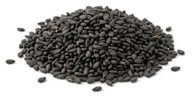
  • Black sesame seeds

    Use equal weight. Gives a similar speckled appearance and light crunch on breads, but provides a nutty rather than herbaceous, onion-like flavour.

Cumin seed
  • Ground cumin

    Use 70% of the weight; add with ground spices or sauce bases rather than hot oil tempering, where it scorches quickly and turns bitter.

  • Black cumin seeds

    Use equal weight for oil tempering. Delivers an earthy profile with an additional musky, smoky, and slightly bitter edge.

  • Fennel seed

    Use 60% of the weight for tempering; offers comparable warm aroma, but leans sweet and liquorice-like rather than savoury and earthy.

Onion
  • Shallot

    Use equal weight, finely sliced. Shallots soften and brown faster, giving a slightly sweeter and more delicate base to curries.

  • Cabbage

    Use 80% of the weight, finely shredded and browned slowly with a pinch of asafoetida. Replicates the bulk and natural sweetness in gravies without allium.

Green chilli
  • Chilli powder

    Use 10 to 15% of the weight (about 1/4 teaspoon per chilli); imparts dry pungent heat and reddens the dish without the grassy crunch.

  • Dried red chilli

    Use 1 dried pod per fresh green chilli; snap in half and temper in hot oil for a deeper, toastier heat.

Garlic paste
  • Garlic

    Use equal weight; crush or finely grate to a smooth pulp to replicate the same fresh, pungent moisture in your base gravy.

  • Garlic powder

    Use 20 to 25% of the weight; mix with a teaspoon of water before adding to oil so it does not burn, noting it lacks the fresh bite.

Ginger paste
  • Fresh ginger

    Use equal weight; peel and grate very finely on a microplane or pound to a fine paste in a mortar.

  • Ginger

    Use equal weight; mince finely and crush with the flat of a knife before frying.

  • Ground ginger

    Use 20% of the weight; add directly with the dry spice powders, though it yields an earthier, less pungent profile.

Plain yogurt
  • Yogurt

    Use equal weight, whisked thoroughly until smooth before adding to hot dishes to prevent curdling.

  • Coconut milk

    Use equal weight with 1 teaspoon lemon juice mixed in. Provides rich creaminess in curries, but adds a noticeable coconut flavour.

  • Single cream

    Use 80% of the weight plus a squeeze of lemon juice for acidity. Enriches sauces nicely, though it is richer and less tangy.

Amchoor
  • Lemon juice

    Use 15 g (1 tbsp) for every 5 g of amchoor. Stir in at the very end off the heat; adds liquid and fresh citrus aroma rather than dry fruity tang.

  • Tamarind extract

    Use 75% of the weight, dissolved in a splash of warm water. Simmer briefly; darkens the gravy and provides a deeper, caramelised sourness.

Garam masala
  • Ground cumin

    Use 50% of the weight mixed with equal parts ground coriander and a pinch of ground cinnamon, ground cloves, and ground green cardamom. Sprinkle near the end for a warming finish.


  • Lentil stew spice mix

    Use 75% of the weight. Simmer briefly in the gravy; imparts roasted warmth and complexity, though it adds a slight tang and earthy lentil undertone.

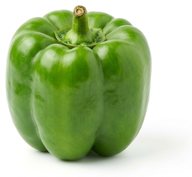
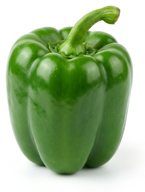
Green bell pepper
  • Bell pepper

    Use the same weight, deseeded and diced; colour may change but flavour is similar.

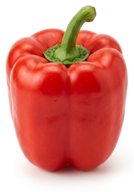
  • Red bell pepper

    Use the same weight; sweeter and more colourful.

  • Yellow bell pepper

    Use the same weight; milder and sweeter.

Similar dishes

Achari Paneer Tikka
Grilled (Broiled) Paneer in Pickling Spices
Achari Paneer Tikka tastes smokier with a sweeter, sharper mustard-oil bite, unlike the mild, saucy tartness from the yogurt and amchoor in this dish.
  • Same: Achari Paneer Tikka also features paneer spiced with ginger, garlic, turmeric, and the core pickling spices of mustard, fenugreek, and nigella seeds.
  • Different: Instead of being simmered in an onion and yogurt gravy with vegetable oil, it uses pungent mustard oil and Gurh Keri mango pickle and is grilled dry on skewers.
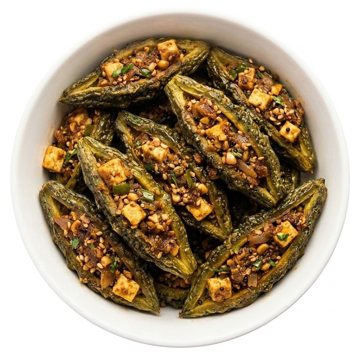
Bharwan Karele
Slow-cooked Stuffed Bitter Gourds
Bharwan Karele combines prominent bitterness with nutty and tamarind-sweet notes, while this dish is savoury and sharply yogurt-tart with pickling spice aroma.
  • Same: Bharwan Karele also uses paneer, green chillies, and whole spices like mustard, cumin, and fenugreek seeds cooked in vegetable oil.
  • Different: Bharwan Karele bakes whole bitter gourds stuffed with paneer, peanuts, sesame seeds, and tamarind extract, whereas this dish simmers paneer cubes in a stovetop yogurt gravy spiced with amchoor and nigella seeds.
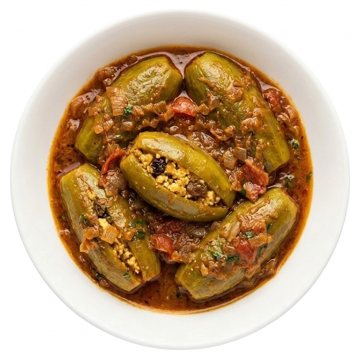
Potoler Dolma
Wax Gourd Curry
Potoler Dolma is subtly sweet and rich from raisins and tomato, rather than tart and pungent like this dish with its amchoor and yogurt.
  • Same: Both dishes feature paneer cooked with onions, ginger, garlic, green chillies, cumin, chilli powder, and garam masala.
  • Different: Potoler Dolma stuffs the paneer and raisins into wax gourds simmered in mustard oil and tomatoes, whereas this dish cooks loose paneer cubes in vegetable oil, yogurt, and whole pickling spices like fenugreek, nigella, and aniseed.
Lehsuni Paneer Tikka
Garlic-flavoured Paneer
Lehsuni Paneer Tikka tastes garlicky, creamy, and charred with chaat-masala tang, while this dish tastes tart and fragrant from mustard, fennel, nigella, fenugreek, and amchoor.
  • Same: Lehsuni Paneer Tikka shares paneer, plain yogurt, chilli powder, turmeric, garam masala, green chilli, and vegetable oil with this dish.
  • Different: Lehsuni Paneer Tikka adds double cream, chickpea flour, ajwain seeds, chaat masala, vinegar, and much more garlic paste, and it is grilled rather than cooked as a yogurt gravy with onion, bell pepper, amchoor, and pickling seeds.