Indian cooking
Indian cooking / Dishes / Odi Pulao
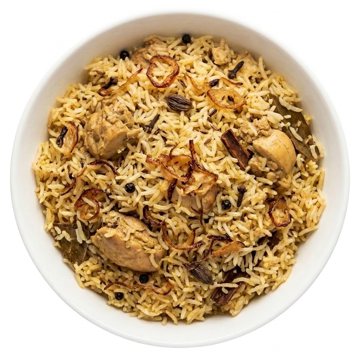
Odi Pulao (Andhra Chicken Pulao)

Odi Pulao

Andhra Chicken Pulao
Non-vegetarian●●●Origin Andhra PradeshPrep 1¾ hoursCook 40 minutes

A rich, layered Andhra chicken and rice dish slow-cooked with ghee, milk, and cream. The chicken is gently simmered in a spiced tomato, nut, and coconut sauce before being steamed together with fragrant parboiled basmati.

Chicken spices

12 gAdded with the chicken and aromatics (step 2)
01
8 g½ tablespoon
aromatic
03
0.7 g10 cloves
spice
04
1.5 g3 pieces
spice
Leave the whole spices intact alongside the ground garlic.

Poppy seeds

8 gStirred into the chicken sauce (step 3)
01
8 g1 tablespoon
spice
Keep whole ready to stir into the sauce.

Whole spices for the rice

6 gBoiled in the rice water (step 4)
01
0.5 g7 cloves
spice
02
0.9 g5 pieces
spice
04
2 g4 pieces
spice
Keep whole to perfume the cooking water.

Everything else

01
2400 g2 chickens
poultry
02
450 g3 onions
vegetable
03
250 g
oil/fat
04
240 g2 tomatoes
vegetable
05
8 g1 tablespoon
aromatic
06
Green chilli · Hari Mirchslit in half lengthways and de-seeded
48 g8 chillies
vegetable
07
380 g375 ml
dairy
09
18 g12 cashews
nut/seed
10
12 g1 tablespoon
nut/seed
11
120 g4 limes
souring agent
12
to taste
salt
13
1000 g
grain
14
125 g
oil/fat
15
127 g125 ml
dairy
16
517 g500 ml
dairy
17
to taste
salt

Method

  1. Submerge 2400 g chicken in a large pan of boiling water for 2 minutes, then drain, rinse with cold water, strip away the skin, and cut into serving pieces.
  2. Melt 250 g ghee in a large, heavy pot over low heat. Add 3 sliced onions and fry, stirring continuously, until tender and light brown. Add the chicken pieces, 2 chopped tomatoes, 7.5 g ground ginger, 48 g green chilli, 6 cardamom pods, salt to taste, and the chicken spices. Cook for 5 minutes, then turn up the heat to brown the meat.
  3. Cover the pot and simmer over low heat for roughly 45 minutes, stirring occasionally, until oil separates from the sauce. Stir in 380 g plain yogurt and cook uncovered for 8 to 10 minutes. Mix in 127 g coconut milk, 12 cashew nuts, 1 tablespoon chironji kernels, and the poppy seeds, heating until barely bubbling. Stir in the juice of 4 limes, remove from the heat, and cover.
  4. Soak 1000 g basmati rice in a bowl of salted water for 20 minutes, then drain. Bring 2 litres of water to a boil in a large pot over high heat along with 0.5 teaspoon caraway seeds, salt to taste, and the whole spices for the rice. Tip in the drained rice and boil for roughly 15 minutes, stirring occasionally, until parcooked to two-thirds doneness. Drain the rice thoroughly and discard the whole spices.
  5. Spread half of 125 g ghee across the bottom of a deep, heavy pot. Layer half of the parboiled rice across the base, distribute all of the chicken and its gravy evenly over the top, and cover with the remaining rice. Drizzle over the rest of the ghee, 127 g single cream, and pour 517 g milk evenly across the surface. Cover tightly with a weighted lid and steam over low heat for 40 minutes until the rice is tender.

Don't have something?

Chicken
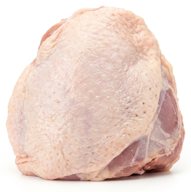
  • Turkey thigh

    Use 100% of the weight, cut into equivalent bone-in or boneless pieces. Simmer for an extra 5 to 10 minutes; flavour and texture are very similar.

  • Lamb

    Use 100% of the weight. Cut into bite-sized pieces and extend simmering time by 35 to 50 minutes, adding extra liquid to allow the meat to tenderise.

Large onion
  • Onion

    Use the same weight, about 150–200 g per large onion; chop or slice as the recipe says.

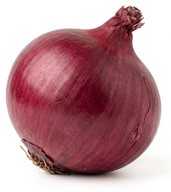
  • Red onion

    Use the same weight; a little sharper, so cook it a few minutes longer to soften.

  • Shallot

    Use the same weight; sweeter and softer, and it cooks faster, so lower the heat slightly.

Ghee
  • Unsalted butter

    Use 120% of the weight; melt gently over low heat to avoid burning the milk solids, which will yield a softer, creamier richness rather than a nutty aroma.

  • Vegetable oil

    Use 85% of the weight; holds high cooking temperatures without smoking, but the final dish will lack traditional dairy depth.

  • Mustard oil

    Use equal weight; heat to smoking point and cool slightly before cooking, bearing in mind it introduces an assertive, pungent edge.

Tomato
  • Tomato purée

    Use 40% to 50% of the fresh tomato weight mixed with a splash of water. Imparts a deeper red colour, thicker sauce, and slightly sweeter cooked flavour.

  • Plain yogurt

    Use 60% of the weight, whisked smooth and added on low heat. Provides rich body and sourness, though the gravy becomes paler and creamier.

Ginger
  • Fresh ginger

    Use equal weight; scrape off the skin and grate or finely julienne according to the recipe.

  • Ginger paste

    Use equal weight; stir straight into the sizzling aromatics, taking care as the extra moisture may spit.

  • Ground ginger

    Use 15 to 20% of the weight; add alongside ground spices, noting it imparts warm, dry heat rather than zesty freshness.

Ground garlic
  • Garlic powder

    Use equal weight (1:1). Behaves virtually identically, dissolving seamlessly into dry rubs or wet gravies.

  • Garlic paste

    Use 300% to 400% of the weight (e.g. 3–4 g paste for 1 g ground). Sauté in oil to cook off the raw moisture; imparts a fresher, sharper punch.

  • Garlic

    Finely mince or grate fresh cloves; use 300% to 400% of the weight. Fry gently in oil early in the cooking process to mellow the pungency.

Green chilli
  • Chilli powder

    Use 10 to 15% of the weight (about 1/4 teaspoon per chilli); imparts dry pungent heat and reddens the dish without the grassy crunch.

  • Dried red chilli

    Use 1 dried pod per fresh green chilli; snap in half and temper in hot oil for a deeper, toastier heat.

Cassia bark
  • Ceylon cinnamon

    True cinnamon: thinner, papery quills, milder and sweeter. Use about 1.5 times the weight, and taste.

  • Ground cinnamon (cassia)

    Use about a third of the weight (0.5 g ground for a 2.5 cm piece), stirred in with the ground spices rather than fried whole, since the powder burns quickly.

  • Cassia buds

    Use 60-70% of the weight; stronger and more peppery, so taste before adding more.

Clove
  • Ground cloves

    Use 1 g ground for 4 g whole (or 1 small pinch per 2 to 3 whole cloves). Add with spice powders; disperses intense warmth quickly, so use with restraint.

  • Allspice berries

    Use 100% of the weight whole in tempering. Imparts a warm, clove-like aromatic profile combined with hints of nutmeg and cinnamon.

  • Black cardamom pod

    Use 1 pod for 3 to 4 cloves in whole tempering. Shares a camphor-like warmth and medicinal depth, though it introduces a distinct smoky undertone.

Green cardamom pod
  • Green cardamom seed

    Use 35 to 40% of the total pod weight; lightly bruise the seeds before frying in oil to release their essential oils.

  • Ground green cardamom

    Use 20 to 25% of the pod weight (about 1 generous pinch per pod); stir in toward the end of cooking so the delicate floral notes do not dissipate.

  • White cardamom pod

    Use 1:1 by pod count or weight; crack gently before using, though it is slightly less intensely floral.

Bay leaf
  • Cinnamon stick

    Use a 2 cm piece (about 1 g) for every 1 to 2 bay leaves. Fry in whole-spice temperings; provides the cassia-like warmth typical of Indian tejpatta.

  • Ground cinnamon (cassia)

    Use 0.5 g per leaf. Stir into the sauce during simmering; gives the same warm woodiness but darkens the colour slightly.

Plain yogurt
  • Yogurt

    Use equal weight, whisked thoroughly until smooth before adding to hot dishes to prevent curdling.

  • Coconut milk

    Use equal weight with 1 teaspoon lemon juice mixed in. Provides rich creaminess in curries, but adds a noticeable coconut flavour.

  • Single cream

    Use 80% of the weight plus a squeeze of lemon juice for acidity. Enriches sauces nicely, though it is richer and less tangy.

Coconut milk
  • Single cream

    Use equal weight; simmer gently over low heat to prevent curdling. Imparts a comparable rich texture, though it adds dairy richness without any coconut fragrance.


  • Cashew paste

    Whisk 1 part cashew paste with 2 parts water to match the consistency, then use equal weight. Provides a thick, velvety body without coconut flavour.

  • Whole milk

    Use equal weight, but reduce other cooking liquids by 20% to compensate for the lower viscosity. The curry will be lighter and lack sweetness.

Cashew nut
  • Almond

    Use 100% of the weight. Soak in boiling water and slip off skins before frying or grinding; gives a lighter, slightly less sweet richness to curries.

  • Poppy seed

    Use 60% of the weight for gravies. Soak in warm water and grind into a fine paste to thicken royal kormas without adding heavy oiliness.

  • Shelled peanut

    Use 100% of the weight. Roast, skin, and grind; creates a thicker, earthier texture typical of Maharashtrian and western Indian curries.

Poppy seed
  • Cashew nut

    Use equal weight. Soak in warm water for 20 minutes and grind to a smooth paste; produces an even creamier, slightly richer gravy than poppy seeds.

  • White sesame seed

    Use equal weight. Soak and grind finely; provides similar thickening and body with a slightly nuttier, faintly bitter edge.

  • Almond

    Use equal weight. Blanch, peel, and grind finely with a splash of water; lends a velvety body and gentle sweetness to gravies.

Chironji kernel
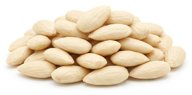
  • Blanched almond

    Use the same weight, soak 20 minutes and use whole or grind; slightly sweeter and less bitter.

  • Cashew nut

    Use the same weight, soak 20 minutes; creamier and milder than chironji.

  • Pistachio

    Use the same weight, blanch and peel; stronger in flavour, so use slightly less if you want subtlety.

Lime juice
  • Lemon juice

    Use equal volume or weight; slightly sweeter and less pungent, but otherwise an imperceptible swap.

  • Dried mango powder

    Use 25% of the weight; imparts dry, fruity sourness, best stirred in right at the end of cooking.

  • Tamarind extract

    Use 50% of the weight; delivers pleasant fruity tang but turns pale sauces considerably darker.

Basmati rice
  • Plain boiled rice

    Use 2.5 times the weight if substituting pre-cooked rice. Fold in gently at the end of the recipe; grains will be shorter and less fragrant.

Caraway seeds
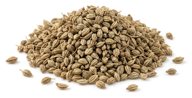
  • Fennel seed

    Same weight, lightly crushed; sweeter and milder but the closest match for the anise note.

  • Cumin seed

    Use two-thirds the weight; earthier and warmer, losing most of the aniseed character — good in breads and root vegetables.

  • Carom seeds

    Use half the weight; much more pungent and thyme-like, so add early in hot oil to soften it.

Single cream
  • Whole milk

    Use equal weight, whisked with a small knob of unsalted butter. Simmer gently over low heat to reduce curdling; sauce will be slightly lighter.

  • Clotted cream

    Use 50% weight combined with 50% whole milk, whisked until smooth. Adds intense richness, so stir in at the very end off the heat.

  • Cashew paste

    Use 60% cashew paste mixed with 40% warm water. Creates a silky, luxurious thickening that won't split even under high heat.

Milk
  • Whole milk

    Use equal weight; provides the standard rich dairy fat and body expected in creamy Indian bases.

  • Single cream

    Dilute 3 parts cream with 1 part water to match the weight; yields a richer, glossier gravy that resists curdling.

  • Plain yogurt

    Whisk thoroughly and use equal weight; adds extra body and a mild pleasant acidity, best added off the heat.

Similar dishes

Murga ka Safed Pulao
White Chicken Pulao
It tastes noticeably milder, buttery, and sweet-savory without the sharp chilli heat, nutty richness, or tangy acidity of this dish.
  • Same: Murga ka Safed Pulao shares chicken and basmati rice cooked with milk, green chillies, ginger, garlic, cinnamon, cloves, and cardamom.
  • Different: It uses butter instead of ghee and is simmered in milk and finished in the oven, omitting this dish's yogurt, lime juice, coconut milk, cream, cashews, and poppy seeds.
Murg Pulao
Chicken Pulao
Murg Pulao is more savoury and peppery with rich caramelized onion notes, whereas this dish is milder in warm spice but far creamier, nuttier, and punchier with fresh chilli heat and lime.
  • Same: Murg Pulao also combines chicken and basmati rice cooked in ghee with yogurt, ginger, garlic, cinnamon, cloves, bay leaf, and green cardamom.
  • Different: Murg Pulao stews the rice directly in a spiced poultry broth with onions, cumin, black cardamom, coriander, and black peppercorns, omitting the milk, cream, coconut milk, cashews, poppy seeds, green chillies, and lime juice layered into this dish.
Sofiyani Pulao
Bohri Muslim Pulao
Sofiyani Pulao has a milder, delicately sweet and milky flavor compared to the spicier, richer, and nuttier profile of this dish.
  • Same: Both dishes steam parboiled basmati rice layered with chicken, yogurt, milk, ghee, and warm spices like cinnamon and cloves.
  • Different: Sofiyani Pulao adds khoya and uses a dough seal for steaming, but leaves out the coconut milk, cream, cashews, poppy seeds, and bay leaves used in this dish.
Chicken Ishtoo
Indian-Style Chicken Stew
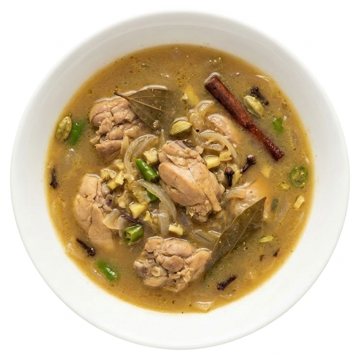
Chicken Ishtoo tastes much lighter and brothy with sweet onion and sharp ginger notes, lacking the rich dairy creaminess, nuttiness, and sour tang of this dish.
  • Same: Chicken Ishtoo shares the chicken braised with whole spices like cinnamon, cloves, cardamom, and bay leaves, along with garlic, ginger, and green chillies.
  • Different: Chicken Ishtoo is a wet stew cooked in vegetable oil with sliced onions, omitting the basmati rice, ghee, dairy (milk, cream, yogurt), coconut milk, cashews, poppy seeds, and lime juice used in this dish.