Indian cooking
Indian cooking / Dishes / Munakkaigguru
Munakkaigguru (Drumstick Curry)

Munakkaigguru

Drumstick Curry
Vegetarian●●●Origin Tamil NaduPrep 30 minutes, plus cooling timeCook 30 minutes

A fragrant South Indian vegetable curry featuring tender drumsticks and potatoes cooked in a spiced coconut milk gravy with a bright finish of fresh lime.

Curry masala

18 gAdded with the potatoes and tomatoes (step 4)
Combine together in a small bowl.

Everything else

01
250 g
vegetable
02
Drumstick · Sahjancut into 6-cm / 2½-inch pieces and tied in bundles
240 g6 pods
vegetable
03
40 g3 tablespoons
oil/fat
04
450 g3 onions
vegetable
05
240 g2 tomatoes
vegetable
06
Green chilli · Hari Mirchslit in half lengthways and de-seeded
18 g3 chillies
vegetable
07
~100 g1 bunch
herb
09
15 g1 tablespoon
souring agent

Method

  1. Boil 250 g potato in a saucepan of water for about 10 minutes until tender. Drain, allow to cool slightly, and peel off the skins.
  2. In a large, heavy-based pan, bring 500 ml of water to a boil. Add the 6 drumsticks (cut into 6-cm / 2½-inch pieces and tied in bundles) and boil for 10 minutes until tender. Drain, saving 250 ml of the cooking water.
  3. Heat 40.5 g vegetable oil in the heavy-based pan over medium heat. Add 450 g onion and fry for 5 to 7 minutes until richly golden.
  4. Add the peeled potatoes, 240 g tomato, and the curry masala to the pan. Fry thoroughly for 2 to 3 minutes to coat everything and cook out the spices.
  5. Add the drumsticks and the 250 ml reserved cooking water. Bring to a boil and cook for 5 to 10 minutes.
  6. Turn down the heat to low. Stir in 18 g green chilli, 100 g coriander leaf, and 254 g coconut milk, then let the curry simmer gently for 2 to 3 minutes.
  7. Stir in 15.3 g lime juice and take the pan off the heat.

Don't have something?

Potato
  • Eggplant

    Use equal weight. Cut into large chunks; cooks down much faster (10-12 minutes) and softens into the sauce rather than staying starchy and firm.

  • Paneer

    Use 80% of the weight. Cube and add in the last 5-10 minutes of cooking; adds rich dairy protein instead of starchy bulk.

  • Dried chickpea

    Use 45% dry weight. Soak overnight and boil until fully soft before stirring into the sauce to simmer for 10 minutes.

Drumstick
  • Small aubergine

    Use equal weight, cut into quarters lengthways. Simmer until tender; readily absorbs sambar broth, though it turns soft rather than fibrous.

  • Potato

    Use 80% of the weight, cut into thick batons. Cook until just fork-tender; holds its shape well in curries and dals, though it tastes starchier.

Vegetable oil
  • Peanut oil

    Use 1:1 by weight. Handles high-heat frying identically and introduces a very subtle, pleasant nuttiness.

  • Ghee

    Use 1:1 by weight. Yields a much richer, authentic aroma and a glossy, heavier mouthfeel.

  • Mustard oil

    Use 1:1 by weight. Heat until smoking, then cool slightly before cooking to temper its intensely pungent, sharp mustard kick.

Onion
  • Shallot

    Use equal weight, finely sliced. Shallots soften and brown faster, giving a slightly sweeter and more delicate base to curries.

  • Cabbage

    Use 80% of the weight, finely shredded and browned slowly with a pinch of asafoetida. Replicates the bulk and natural sweetness in gravies without allium.

Tomato
  • Tomato purée

    Use 40% to 50% of the fresh tomato weight mixed with a splash of water. Imparts a deeper red colour, thicker sauce, and slightly sweeter cooked flavour.

  • Plain yogurt

    Use 60% of the weight, whisked smooth and added on low heat. Provides rich body and sourness, though the gravy becomes paler and creamier.

Ginger paste
  • Fresh ginger

    Use equal weight; peel and grate very finely on a microplane or pound to a fine paste in a mortar.

  • Ginger

    Use equal weight; mince finely and crush with the flat of a knife before frying.

  • Ground ginger

    Use 20% of the weight; add directly with the dry spice powders, though it yields an earthier, less pungent profile.

Garlic paste
  • Garlic

    Use equal weight; crush or finely grate to a smooth pulp to replicate the same fresh, pungent moisture in your base gravy.

  • Garlic powder

    Use 20 to 25% of the weight; mix with a teaspoon of water before adding to oil so it does not burn, noting it lacks the fresh bite.

Ground turmeric
  • Ground ginger

    Use 50% of the weight. Mimics turmeric's warm, earthy, rhizome background, but provides none of the golden-yellow colour.

  • Saffron

    Steep a tiny pinch (0.1 g per 2 g turmeric) in 2 tbsp warm water; use to match the rich golden hue. Contributes an aristocratic, honeyed floral flavour rather than earthy bitterness.

Chilli powder
  • Red chilli powder

    Use 100% of the weight. Provides direct, sharp heat and red colour in equal measure.

  • Kashmiri chilli powder

    Use 150% to 200% of the weight if matching colour, but add a pinch of black pepper or hot chilli if you need equivalent fiery heat.

  • Cayenne pepper

    Use 75% to 100% of the weight. Offers a sharp, clean heat with slightly less earthy depth and less crimson colour.

Ground coriander
  • Coriander seeds

    Dry-roast lightly in a pan and grind to a fine powder; use equal weight (1:1). Offers a noticeably fresher, brighter citrus note.

  • Ground cumin

    Use 50% to 75% of the weight. Lacks the floral, citrusy profile of coriander and turns the gravy heavier, earthier, and darker.

  • Garam masala

    Use 50% of the weight and stir in near the end of cooking. Adds warmth and depth since it contains ground coriander, but introduces stronger spices like clove and cinnamon.

Ground cumin
  • Cumin seed

    Dry-roast briefly and grind finely; use equal weight (1:1). Imparts an even punchier, nuttier, toasty aroma than pre-ground cumin.

  • Ground coriander

    Use equal weight (1:1). Adds mild, lemony sweetness rather than cumin's smoky, earthy bite; curries will taste lighter and less savoury.

  • Black cumin seeds

    Grind finely; use 60% to 75% of the weight. Produces a darker, more complex, smoky-herbal flavour suited to rich gravies.

Green chilli
  • Chilli powder

    Use 10 to 15% of the weight (about 1/4 teaspoon per chilli); imparts dry pungent heat and reddens the dish without the grassy crunch.

  • Dried red chilli

    Use 1 dried pod per fresh green chilli; snap in half and temper in hot oil for a deeper, toastier heat.

Coriander leaf
  • Coriander

    Use equal weight finely chopped; this is the exact same fresh herb.

  • Mint

    Use half the weight finely chopped; provides vibrant green freshness, though the flavour profile becomes noticeably cooler and sharper.

Coconut milk
  • Single cream

    Use equal weight; simmer gently over low heat to prevent curdling. Imparts a comparable rich texture, though it adds dairy richness without any coconut fragrance.


  • Cashew paste

    Whisk 1 part cashew paste with 2 parts water to match the consistency, then use equal weight. Provides a thick, velvety body without coconut flavour.

  • Whole milk

    Use equal weight, but reduce other cooking liquids by 20% to compensate for the lower viscosity. The curry will be lighter and lack sweetness.

Lime juice
  • Lemon juice

    Use equal volume or weight; slightly sweeter and less pungent, but otherwise an imperceptible swap.

  • Dried mango powder

    Use 25% of the weight; imparts dry, fruity sourness, best stirred in right at the end of cooking.

  • Tamarind extract

    Use 50% of the weight; delivers pleasant fruity tang but turns pale sauces considerably darker.

Similar dishes

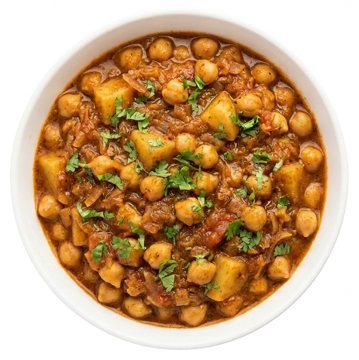
Channa Masala
Chickpea (Garbanzo Bean) Curry
Channa Masala tastes earthier and less creamy, lacking the rich coconut flavor, tart lime acidity, and sharp heat of the fresh green chillies in this dish.
  • Same: Channa Masala shares a base of potatoes, onions, and tomatoes seasoned with ginger-garlic paste, ground turmeric, chilli powder, cumin, and coriander.
  • Different: Channa Masala incorporates chickpeas instead of drumsticks and omits the coconut milk, lime juice, and fresh green chillies found in this dish.
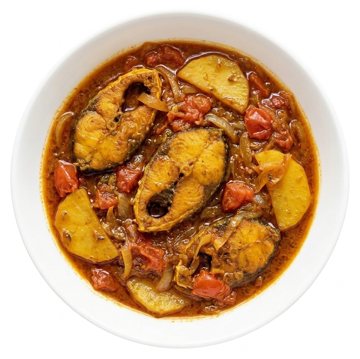
Year Chapa
Fried Fish in Tomato Sauce
Year Chapa is more deeply savoury and tomato-forward, lacking the creamy sweetness of coconut milk and the sharp citrus tang of lime present in this dish.
  • Same: Both dishes cook potatoes in an onion and tomato base seasoned with vegetable oil, ginger, garlic, turmeric, chilli powder, cumin, and coriander.
  • Different: Year Chapa incorporates deep-fried fish and substantially more potatoes, but it omits drumsticks, coconut milk, lime juice, green chillies, and fresh coriander leaf.
Mamsummunakkai Pulussu
Lamb & Drumstick Curry
It tastes tangy and meaty from tamarind and lamb, with a rice-thickened sauce, while this dish tastes coconut-rich and bright from lime.
  • Same: Mamsummunakkai Pulussu shares drumstick, onion, turmeric, chilli powder, ground coriander, ground cumin, ginger paste, garlic paste, and coriander leaf with this dish.
  • Different: It adds lamb, ghee, curry leaf, and ground rice as a thickener, and uses tamarind extract or lime juice, while this dish has potato, tomato, coconut milk, vegetable oil, and a lime juice finish.
Aloo Vadiyan
Spicy Lentil Dumplings with Potatoes
It tastes tangy from yogurt and savory-rich from ghee and lentil dumplings, while this dish is coconut-milk rich and lime-bright.
  • Same: Aloo Vadiyan shares potato, onion, tomato, ginger-garlic paste, turmeric, chilli powder and ground coriander with this dish.
  • Different: It uses ghee instead of vegetable oil, adds urad dal vadi, yogurt and fenugreek, and lacks drumstick, coconut milk, green chilli and lime juice.