
Mamsummunakkai Pulussu
A fragrant South Indian meat curry featuring tender lamb and drumstick pods simmered in a spiced, tangy sauce thickened with ground rice.
Ground spices and aromatics
24 gFried with the lamb and onions (step 3)Everything else


Method
- Grind 12 g basmati rice in a small blender with a splash of water until completely smooth, then stir the paste into 250 ml water until evenly blended and set aside.
- Melt 13.2 g ghee in a heavy-based saucepan set over medium heat, add 300 g onion, and sauté for about 4 minutes until lightly browned.
- Add the ground spices and aromatics, 250 g lamb, and salt to taste, cooking for about 5 minutes until any released liquid evaporates.
- Stir in 250 g drumsticks and cook for 1 minute.
- Add 1 litre water and 1 teaspoon tamarind extract, turn the heat to low, and simmer gently for 1 to 1½ hours until the meat is tender.
- Add 2 g curry leaf, 100 g coriander leaf, and the reserved rice mixture, then simmer for 5 to 10 minutes until the gravy thickens slightly.
Don't have something?

 Plain boiled rice
Use 2.5 times the weight if substituting pre-cooked rice. Fold in gently at the end of the recipe; grains will be shorter and less fragrant.


 Unsalted butter
Use 120% of the weight; melt gently over low heat to avoid burning the milk solids, which will yield a softer, creamier richness rather than a nutty aroma.
 Vegetable oil
Use 85% of the weight; holds high cooking temperatures without smoking, but the final dish will lack traditional dairy depth.
 Mustard oil
Use equal weight; heat to smoking point and cool slightly before cooking, bearing in mind it introduces an assertive, pungent edge.






 Ground ginger
Use 50% of the weight. Mimics turmeric's warm, earthy, rhizome background, but provides none of the golden-yellow colour.
 Saffron
Steep a tiny pinch (0.1 g per 2 g turmeric) in 2 tbsp warm water; use to match the rich golden hue. Contributes an aristocratic, honeyed floral flavour rather than earthy bitterness.


 Red chilli powder
Use 100% of the weight. Provides direct, sharp heat and red colour in equal measure.
 Kashmiri chilli powder
Use 150% to 200% of the weight if matching colour, but add a pinch of black pepper or hot chilli if you need equivalent fiery heat.
 Cayenne pepper
Use 75% to 100% of the weight. Offers a sharp, clean heat with slightly less earthy depth and less crimson colour.



 Coriander seeds
Dry-roast lightly in a pan and grind to a fine powder; use equal weight (1:1). Offers a noticeably fresher, brighter citrus note.
 Ground cumin
Use 50% to 75% of the weight. Lacks the floral, citrusy profile of coriander and turns the gravy heavier, earthier, and darker.
 Garam masala
Use 50% of the weight and stir in near the end of cooking. Adds warmth and depth since it contains ground coriander, but introduces stronger spices like clove and cinnamon.


 Cumin seed
Dry-roast briefly and grind finely; use equal weight (1:1). Imparts an even punchier, nuttier, toasty aroma than pre-ground cumin.
- Ground coriander
Use equal weight (1:1). Adds mild, lemony sweetness rather than cumin's smoky, earthy bite; curries will taste lighter and less savoury.
 Black cumin seeds
Grind finely; use 60% to 75% of the weight. Produces a darker, more complex, smoky-herbal flavour suited to rich gravies.


 Fresh ginger
Use equal weight; peel and grate very finely on a microplane or pound to a fine paste in a mortar.
 Ginger
Use equal weight; mince finely and crush with the flat of a knife before frying.
- Ground ginger
Use 20% of the weight; add directly with the dry spice powders, though it yields an earthier, less pungent profile.


 Garlic
Use equal weight; crush or finely grate to a smooth pulp to replicate the same fresh, pungent moisture in your base gravy.
 Garlic powder
Use 20 to 25% of the weight; mix with a teaspoon of water before adding to oil so it does not burn, noting it lacks the fresh bite.


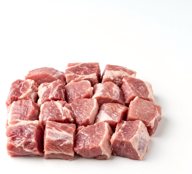



 Small aubergine
Use equal weight, cut into quarters lengthways. Simmer until tender; readily absorbs sambar broth, though it turns soft rather than fibrous.
 Potato
Use 80% of the weight, cut into thick batons. Cook until just fork-tender; holds its shape well in curries and dals, though it tastes starchier.


 Tamarind paste
Use about 50% of the weight, whisk with double its weight of water; paste is concentrated, so add gradually and taste.
 Lime juice
Use about 75–80% of the weight; sharper and less sweet, add a pinch of jaggery or sugar and salt.
 Dried mango powder
Use about 30% of the weight, stir into the hot dish; dry and tangy, so add extra water or a little sugar.


 Bay leaf
Fry 1 bay leaf for every 5 curry leaves in hot oil; imparts a warm, woodsy background note, but misses the citrus-sulphury punch entirely.
- Lime juice
Add a small squeeze (about 5 ml per sprig of curry leaves) right before serving; provides sharp citrus top notes without the toasty, herbal aroma.


Similar dishes

- Same: Masaledar Mutton shares a base of lamb, onions, ginger, garlic, ghee, and core spices like turmeric, cumin, coriander, and chilli powder with this dish.
- Different: Masaledar Mutton uses tomatoes, vegetable oil, fresh green chillies, bay leaf, and garam masala, but omits the drumsticks, curry leaves, tamarind, and rice thickener found in this dish.
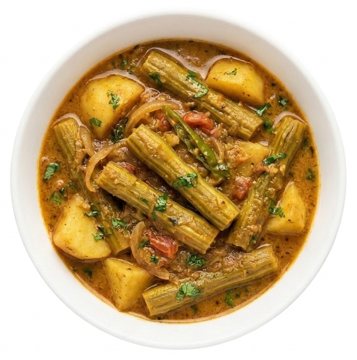
- Same: Munakkaigguru and this dish are South Indian drumstick curries that use onion, ginger paste, garlic paste, turmeric, chilli powder, ground coriander, ground cumin, and coriander leaf in a simmered spiced sauce.
- Different: Munakkaigguru uses potato, tomato, green chilli, coconut milk, vegetable oil, and lime juice, while this dish uses lamb, ghee, basmati rice as a thickener, tamarind or lime, and curry leaf.
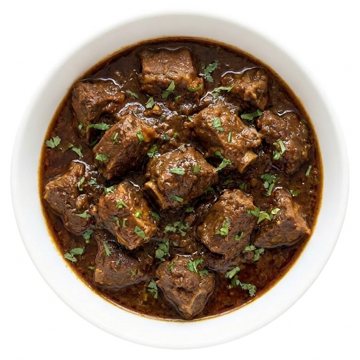
- Same: Chippa Gosht shares lamb as the main meat, seasoned with ginger paste, garlic paste, ground turmeric, and chilli powder.
- Different: Chippa Gosht is slow-cooked in an earthenware pot using vegetable oil and lemon juice, omitting this dish's ghee, onions, drumsticks, ground rice thickener, tamarind, curry leaves, cumin, and ground coriander.

- Same: Nahari shares lamb, onion, ginger paste, garlic paste, ground coriander, chilli powder and turmeric with this dish.
- Different: Nahari uses mustard oil, yogurt, lamb stock, chickpea flour, black cardamom, clove, cinnamon and black pepper, while this dish uses ghee, ground rice, drumstick, tamarind or lime juice, curry leaf and coriander leaf.