Indian cooking
Indian cooking / Dishes / Khaman Dhokla
Khaman Dhokla (Gujarati Savoury Steamed Cake)

Khaman Dhokla

Gujarati Savoury Steamed Cake
VegetarianOrigin Gujarat

Khaman dhokla is a soft, steamed savoury cake made from chickpea flour and semolina, finished with a sweet mustard-seed tadka. It tastes tangy, lightly sweet and savoury, with a fluffy crumb and a glossy topping.

Batter turmeric

1.5 gMixed into the dry batter ingredients (step 3)
01
1.5 g½ teaspoon
spice
Keep ground; it goes into the dry mix.

Tadka mustard seeds

3.5 gAdded to the hot oil for the tadka (step 8)
01
3.5 g1 teaspoon
spice
Keep whole; they go into the hot oil and pop.

Everything else

01
14 g1 tablespoon
oil/fat
02
1.5 g1 chilli
vegetable
03
20 g5 cm
aromatic
05
21 g2 tablespoons
grain
06
15 g1 tablespoon
souring agent
07
13 g1 tablespoon
sweetener
08
6 g2 teaspoons
other
09
to taste
salt
10
27 g2 tablespoons
oil/fat
11
3 g1 teaspoon
nut/seed
12
2.5–3 g10–12 leaves
herb
13
4.2 g1 teaspoon
sweetener
14
50 g50 ml
liquid
15
Coconut · Nariyalfreshly grated
6 g1 tablespoon
fruit
16
to taste
herb

Method

  1. Line an 18 cm cake tin with baking parchment and brush the sides with a little of the 13.5 g vegetable oil.
  2. Pound 2 g green bird’s eye chilli and 20 g fresh ginger to a coarse paste.
  3. Sift 130 g chickpea flour into a bowl, then add 21 g coarse semolina, the batter turmeric (1.5 g ground turmeric), the chilli-ginger paste, 15.3 g lemon juice, 12.6 g granulated sugar, salt to taste and the rest of the 13.5 g vegetable oil.
  4. Pour in about 150 ml water a little at a time, mixing to a thick batter that still flows, then leave it to rest for 5 minutes.
  5. Set a steamer over a pan of water and bring the water to a boil; make sure the water does not touch the steamer base.
  6. Stir 6 g fruit salt into the rested batter; when it begins to bubble, pour the batter into the prepared tin and steam over medium heat for 18–20 minutes, until a light press leaves it feeling soft and spongy.
  7. Leave the dhokla to rest for 5 minutes, run a knife around the tin, turn it out onto a plate, remove the parchment and prick the top all over with a toothpick.
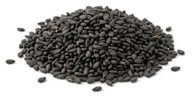
  8. For the tadka, heat 27 g vegetable oil in a saucepan over medium heat, add the tadka mustard seeds (3.2 g black/brown mustard seed) and let them pop for a few seconds.
  9. Add 3 g sesame seed and stir until they colour lightly, then add 2.5–3 g curry leaf.
  10. Turn off the heat, stir in 4.2 g granulated sugar and 49.7 g warm water, then pour the tadka over the dhokla and let it soak in for a few minutes.
  11. Cut into squares and serve warm, scattered with 6 g freshly grated coconut and coriander leaves to taste.

Don't have something?

Vegetable oil
  • Peanut oil

    Use 1:1 by weight. Handles high-heat frying identically and introduces a very subtle, pleasant nuttiness.

  • Ghee

    Use 1:1 by weight. Yields a much richer, authentic aroma and a glossy, heavier mouthfeel.

  • Mustard oil

    Use 1:1 by weight. Heat until smoking, then cool slightly before cooking to temper its intensely pungent, sharp mustard kick.

Green bird's eye chilli
  • Bird's eye green chilli

    Use the same weight; heat and flavour are very close.

  • Green chilli

    Use 1.5 to 2 times the weight; deseed for less heat. Larger chillies are more watery.

  • Fresh green chilli

    Use 1.5 to 2 times the weight; chop finely and adjust heat by tasting.

Fresh ginger
  • Ginger paste

    Use equal weight. Sauté in hot fat until the raw allium smell disappears; slightly wetter, but provides identical warmth and pungency.

  • Ground ginger

    Use 20% to 25% of the weight (1 g for every 4 to 5 g fresh). Stir into the gravy; adds peppery heat and warmth, though it misses the crisp, zesty kick of raw root.

Chickpea flour
  • Yellow split pea flour

    Use 100% of the weight. Many commercial gram flours are milled from split peas; performs identically in pakora batters and kadhi.

  • Cornstarch

    For crisping batters or binding cutlets: use 50% to 60% of the weight. Produces a very crisp shell but lacks the earthy, roasted nutty flavour of besan.

Coarse semolina
  • Semolina

    Use the same weight; it is finer, so add liquid gradually and soak for less time.

  • Fine semolina

    Use the same weight; it absorbs faster and gives a smoother, less grainy texture.

  • Cream of wheat

    Use the same weight; toast it first if the recipe calls for roasting, and watch the liquid.

Ground turmeric
  • Ground ginger

    Use 50% of the weight. Mimics turmeric's warm, earthy, rhizome background, but provides none of the golden-yellow colour.

  • Saffron

    Steep a tiny pinch (0.1 g per 2 g turmeric) in 2 tbsp warm water; use to match the rich golden hue. Contributes an aristocratic, honeyed floral flavour rather than earthy bitterness.


Lemon juice
  • Lime juice

    Use equal volume or weight; delivers almost identical sharp acidity with a faintly more aromatic, bitter-edged profile.

  • Dried mango powder

    Use 25% of the weight (about 1 g amchoor for 4 g juice); provides clean fruity tartness without thinning the sauce.

  • White vinegar

    Use 75% of the volume; gives direct sourness without any citrus floral fragrance.

Granulated sugar
  • Jaggery

    Use equal weight; grate or shave finely so it dissolves rapidly, giving a warm, caramel-like sweetness and slightly darker sauce.

Fruit salt
  • Baking soda

    Mix equal weights with citric acid and use the same total weight as fruit salt.

  • Baking powder

    Use 1.5 times the weight; it is weaker and contains starch, so the rise is slightly less.

  • Bicarbonate of soda

    Same as baking soda: mix equal weights with citric acid and use the same total weight as fruit salt.

Black mustard seed
  • Mustard seeds

    Use equal weight. Pop in hot fat until they crackle and turn greyish; yields an almost identical nutty, pungent finish.

  • Yellow mustard seeds

    Use equal weight. Fry over medium heat; delivers a milder, sweeter pop and turns bitter quickly if the oil is excessively hot.

Sesame seed
  • White sesame seed

    Use the same weight. Toast lightly before use; white seeds are milder and give a cleaner look.

  • Black sesame seed

    Use the same weight. They are stronger and more bitter; toast briefly and use slightly less if the dish is delicate.

  • Peanut

    Use the same weight, crushed or chopped. It gives crunch but not the same nutty sesame aroma.

Curry leaf
  • Bay leaf

    Fry 1 bay leaf for every 5 curry leaves in hot oil; imparts a warm, woodsy background note, but misses the citrus-sulphury punch entirely.

  • Lime juice

    Add a small squeeze (about 5 ml per sprig of curry leaves) right before serving; provides sharp citrus top notes without the toasty, herbal aroma.

Water
  • Stock

    Use the same weight in savoury dishes; it adds body, so adjust salt.

  • Milk

    Use the same weight only in doughs or creamy dishes; it makes the result richer.

  • Coconut water

    Use the same weight in curries or rice; it adds sweetness and a faint coconut taste.

Coconut
  • Fresh coconut

    Use equal weight freshly grated or diced. Delivers the identical sweet, milky taste and juicy texture.

  • Desiccated coconut

    Use 60% of the weight and soak in hot water or milk for 15 minutes before using. The finished dish will be slightly sweeter and less fibrous.

  • Dried coconut

    Finely grate and use 50% of the weight, soaked in hot water for 20 minutes. Yields a firmer chew and a denser, oilier coconut aroma.

Coriander leaves
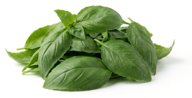
  • Coriander (cilantro) or basil

    Use the same weight, choosing the coriander element if available. If only basil is available, expect a sweeter, more aniseed flavour.

  • Basil leaves

    Use the same weight. Basil is sweeter and more aromatic in a different way; add near the end so it keeps its perfume.

  • Coriander paste

    Use 1.5 times the weight and reduce other liquid slightly; it is less fresh and more concentrated, so taste before adding more.

Similar dishes

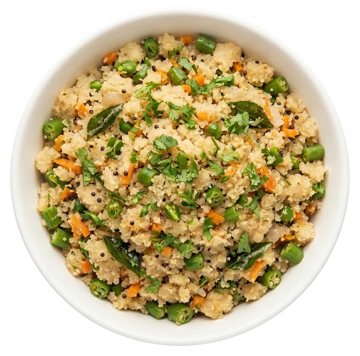
Upma
South Indian Spiced Semolina
Upma is soft, savoury and lightly spiced, while this dish is tangy, lightly sweet and savoury with a fluffy crumb and glossy topping.
  • Same: Upma shares coarse semolina, vegetable oil, mustard seed, curry leaf, green chilli, ginger, turmeric, salt and coriander with this dish.
  • Different: Upma cooks semolina with onion, green bean and carrot in a savoury tempering, while this dish steams chickpea flour and semolina with fruit salt and adds lemon juice, sugar, sesame, coconut and a sweet tadka.
Avasara Adai
Quick Semolina (Farina) & Gram (Chickpea) Pancakes
Avasara Adai tastes savoury and spiced with crisp edges, while this dish is tangy, lightly sweet and fluffy with a glossy mustard-seed topping.
  • Same: Avasara Adai shares semolina, chickpea flour, ginger, green chilli, curry leaf, mustard seed, vegetable oil and salt with this dish.
  • Different: Avasara Adai adds onion, fresh coconut, cumin, asafoetida and dried red chilli, and it is cooked as griddle pancakes rather than steamed with fruit salt, lemon juice, sugar and turmeric.
Batata Vada (Indian Kitchen)
Deep-Fried Spiced Potato
Batata Vada is crisp outside and soft, savoury and gently hot inside with a fresh citrus note, while this dish is tangy, lightly sweet and savoury with a fluffy crumb and glossy sweet mustard-seed topping.
  • Same: Batata Vada shares chickpea flour, vegetable oil, green bird’s eye chilli, turmeric, lemon juice, curry leaf, coriander and salt with this dish.
  • Different: Batata Vada is deep-fried mashed-potato balls in a chickpea-flour coating, with garlic and asafoetida, while this dish is a steamed chickpea-flour and semolina cake set with fruit salt and topped with a mustard-seed, sesame, coconut and sugar tadka.
Chickpea Sundal
Stir-Fried Spicy Chickpeas
Chickpea Sundal tastes fresh, lightly spicy and nutty, with less sweetness and a looser stir-fried texture than this dish’s tangy, lightly sweet, fluffy steamed cake.
  • Same: Chickpea Sundal shares chickpea, vegetable oil, mustard seed, curry leaf, green chilli, coconut, coriander and lemon juice with this dish.
  • Different: Chickpea Sundal uses whole canned chickpeas and is stir-fried, while this dish uses chickpea flour and semolina and is steamed with fruit salt; it adds asafoetida and dried Kashmiri chilli but lacks turmeric, ginger, sugar and sesame.