
Upma
Upma is a South Indian semolina dish cooked with vegetables and a mustard-and-curry-leaf tempering. It is soft, savoury and lightly spiced.
Whole spices for the oil
3.5 gAdded to the hot oil at the start (step 2)Turmeric for the vegetables
1.5 gStirred in after the onions soften, with the ginger (step 5)Everything else

Method
- Heat 27 g vegetable oil in a wide pan over medium heat.
- Add the whole spices for the oil (3.2 g black/brown mustard seed) and 2.5 g curry leaf; let the seeds pop for 1 minute.
- Add 4 g green bird’s eye chilli, finely chopped, and fry for 30 seconds.
- Add 150 g onion, finely chopped, and cook for 7–8 minutes until soft and pale.
- Stir in the turmeric for the vegetables (1.5 g ground turmeric) and 10 g fresh ginger, finely chopped; cook for 1 minute.
- Add 80 g green bean, chopped, and 60 g carrot, finely chopped; cook for 3 minutes until partly tender.
- Pour in 350 ml water and bring to the boil; cook for 3 minutes until the vegetables are tender.
- Add 260 g coarse semolina in small handfuls, stirring quickly, and cook for 1 minute until mixed thoroughly.
- Stir in salt to taste; small lumps are fine.
- Take the pan off the heat, cover and leave so the semolina finishes steaming.
- Garnish with coriander leaves, chopped.
Don't have something?


 Peanut oil
Use 1:1 by weight. Handles high-heat frying identically and introduces a very subtle, pleasant nuttiness.
 Ghee
Use 1:1 by weight. Yields a much richer, authentic aroma and a glossy, heavier mouthfeel.
 Mustard oil
Use 1:1 by weight. Heat until smoking, then cool slightly before cooking to temper its intensely pungent, sharp mustard kick.


 Mustard seeds
Use equal weight. Pop in hot fat until they crackle and turn greyish; yields an almost identical nutty, pungent finish.
 Yellow mustard seeds
Use equal weight. Fry over medium heat; delivers a milder, sweeter pop and turns bitter quickly if the oil is excessively hot.


 Bay leaf
Fry 1 bay leaf for every 5 curry leaves in hot oil; imparts a warm, woodsy background note, but misses the citrus-sulphury punch entirely.
 Lime juice
Add a small squeeze (about 5 ml per sprig of curry leaves) right before serving; provides sharp citrus top notes without the toasty, herbal aroma.


- Bird's eye green chilli
Use the same weight; heat and flavour are very close.
 Green chilli
Use 1.5 to 2 times the weight; deseed for less heat. Larger chillies are more watery.
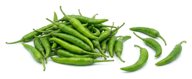 Fresh green chilli
Use 1.5 to 2 times the weight; chop finely and adjust heat by tasting.





 Ground ginger
Use 50% of the weight. Mimics turmeric's warm, earthy, rhizome background, but provides none of the golden-yellow colour.
 Saffron
Steep a tiny pinch (0.1 g per 2 g turmeric) in 2 tbsp warm water; use to match the rich golden hue. Contributes an aristocratic, honeyed floral flavour rather than earthy bitterness.


 Ginger paste
Use equal weight. Sauté in hot fat until the raw allium smell disappears; slightly wetter, but provides identical warmth and pungency.
- Ground ginger
Use 20% to 25% of the weight (1 g for every 4 to 5 g fresh). Stir into the gravy; adds peppery heat and warmth, though it misses the crisp, zesty kick of raw root.


 French bean
Use the same weight, top and tail; same result.
 French green bean
Use the same weight; same result.
 Cluster bean
Use the same weight, cut into lengths; firmer and earthier, cook slightly longer.


 Turnip
Use the same weight; peel and cut as for carrot. It is less sweet and slightly peppery, so add a pinch of sugar and expect a softer, more earthy result.
 Potato
Use the same weight; cut into similar pieces and add 5–10 minutes' extra cooking. It gives bulk but no carrot sweetness or colour.
 Courgette
Use the same weight; cut a little larger and add near the end. It releases water, so reduce other liquid slightly and expect a softer texture.


 Semolina
Use the same weight; it is finer, so add liquid gradually and soak for less time.
 Fine semolina
Use the same weight; it absorbs faster and gives a smoother, less grainy texture.
 Cream of wheat
Use the same weight; toast it first if the recipe calls for roasting, and watch the liquid.


 Coriander (cilantro) or basil
Use the same weight, choosing the coriander element if available. If only basil is available, expect a sweeter, more aniseed flavour.
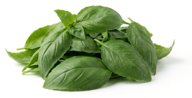 Basil leaves
Use the same weight. Basil is sweeter and more aromatic in a different way; add near the end so it keeps its perfume.
 Coriander paste
Use 1.5 times the weight and reduce other liquid slightly; it is less fresh and more concentrated, so taste before adding more.


Similar dishes
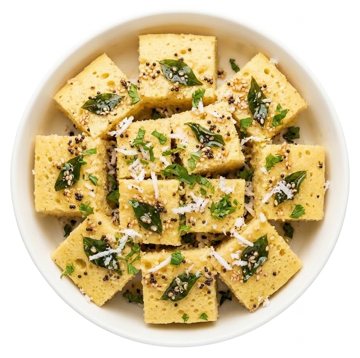
- Same: Khaman Dhokla shares vegetable oil, mustard seed, curry leaf, green chilli, ginger, turmeric, salt and coriander with this dish, and both use a mustard-and-curry-leaf tempering.
- Different: Khaman Dhokla is steamed from chickpea flour and a little semolina with lemon juice, sugar, fruit salt, sesame seed and coconut, while this dish is cooked semolina with onion, carrot and green bean.

- Same: Both are South Indian dishes built on coarse semolina and have a soft texture.
- Different: Kesari Bhaath uses ghee, sugar, milk, saffron, cashew nut and green cardamom, while this dish uses vegetable oil, mustard seed, curry leaf, green chilli, onion, turmeric, ginger, green bean and carrot, with no sugar or saffron.

- Same: Upama and this dish are both savoury South Indian semolina preparations made with onion, green chilli, ginger, mustard seed, salt and coriander.
- Different: Upama uses ghee instead of vegetable oil, adds chana dal, urad dal, cumin seed and cashew nut, and finishes with lime, while this dish uses curry leaf, turmeric, carrot and green bean and has no lime, lentils or cashews.

- Same: Suji Paratha and this dish both use semolina, salt and oil as core ingredients.
- Different: Suji Paratha uses fine semolina and olive oil only, is made into a dough and griddled crisp, while this dish uses coarse semolina cooked with vegetables, mustard seed, curry leaf, green chilli, turmeric and ginger.