
Kandahari Murg Tikka
Succulent grilled chicken skewers marinated in tangy pomegranate seeds, vibrant herbs, yoghurt, and warming spices. The result is smokey, tender meat with a sharp, fruity bite.
Herb paste spice
0.5 gPuréed with the fresh seasonings (step 2)Marinade spices
18 gStirred into the yoghurt marinade (step 3)Everything else

Method
- Place 750 g chicken onto a chopping board and strike it gently with a meat mallet to flatten the pieces slightly.
- Combine 1 tablespoon pomegranate seeds, 2.5–3 g curry leaf, 1 g coriander leaf, 36–48 g green chilli, and the herb paste spice in a compact blender, then blend until completely smooth.
- In a wide dish, whisk together the puréed herb paste, the marinade spices, 200 g yoghurt, 1 tablespoon onion, 6 g fresh ginger, 1 teaspoon dried fenugreek, 15.3 g lemon juice, 54 g vegetable oil, and salt to taste. Coat the chicken thoroughly in this marinade, cover, and chill in the refrigerator for about 4 hours.
- Set up a charcoal barbecue for medium heat, or preheat your oven to 190°C (375°F/Gas 5). Push the marinated chicken onto metal skewers and grill or bake for 6–7 minutes, until about half-cooked.
- Lift the skewers away from the heat source and suspend them upright for 2–3 minutes so excess juices can run off.
- Brush the chicken with melted butter, return the skewers to the barbecue or oven, and cook for another 2–3 minutes until the meat is cooked through. Slide onto a platter and serve immediately.
Don't have something?


 Boneless chicken breast
Use the same weight; it is the same cut without the skin, so cook exactly as directed.
 Skinless boneless chicken
Use the same weight; cut to the same size and cook as directed. It may include mixed white and dark meat, so it stays juicier.
 Boneless chicken thigh
Use the same weight; it is juicier and needs 3–5 minutes longer simmering. Reduce oil slightly if the sauce looks fatty.


 Pomegranate
Use the same weight of seeds from fresh fruit; about one fruit gives 100 g seeds. Deseed carefully.
 Dried pomegranate seeds
Use 20% of the weight, soak and crush; they add sourness, not fresh garnish.
 Green grape
Use the same weight, halved; good for garnish but less crunchy and less sour.


 Mint
Use 3 to 4 times the weight, finely chopped. Stir in towards the very end of cooking; provides a fresher, brighter herbal lift rather than deep, concentrated menthol.
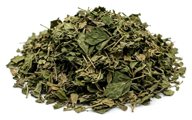 Dried fenugreek leaves
Use equal weight, crushed between your palms. Offers savoury, earthy bitterness rather than cooling mint, but works nicely in marinades and rich gravies.


 Bay leaf
Fry 1 bay leaf for every 5 curry leaves in hot oil; imparts a warm, woodsy background note, but misses the citrus-sulphury punch entirely.
 Lime juice
Add a small squeeze (about 5 ml per sprig of curry leaves) right before serving; provides sharp citrus top notes without the toasty, herbal aroma.


 Chilli powder
Use 10 to 15% of the weight (about 1/4 teaspoon per chilli); imparts dry pungent heat and reddens the dish without the grassy crunch.
 Dried red chilli
Use 1 dried pod per fresh green chilli; snap in half and temper in hot oil for a deeper, toastier heat.


 Fresh ginger
Use equal weight; peel and grate very finely on a microplane or pound to a fine paste in a mortar.
 Ginger
Use equal weight; mince finely and crush with the flat of a knife before frying.
 Ground ginger
Use 20% of the weight; add directly with the dry spice powders, though it yields an earthier, less pungent profile.


 Garlic
Use equal weight; crush or finely grate to a smooth pulp to replicate the same fresh, pungent moisture in your base gravy.
 Garlic powder
Use 20 to 25% of the weight; mix with a teaspoon of water before adding to oil so it does not burn, noting it lacks the fresh bite.


 Greek yoghurt
Use the same weight straight from the pot. It is thick and slightly tangier; stir well before use.
 Full-fat natural yoghurt
Use about 175% of the weight and strain through muslin for 3–4 hours to yield the same weight of thick yoghurt.
 Hung yoghurt
Use the same weight. It is essentially the same ingredient; adjust salt or sugar to taste.






- Ginger paste
Use equal weight. Sauté in hot fat until the raw allium smell disappears; slightly wetter, but provides identical warmth and pungency.
- Ground ginger
Use 20% to 25% of the weight (1 g for every 4 to 5 g fresh). Stir into the gravy; adds peppery heat and warmth, though it misses the crisp, zesty kick of raw root.


 Dried kashmiri chilli
Grind deseeded dried pods to an equal weight of powder; gives identical vivid red colour and gentle warmth.
 Red chilli powder
Use 25% of the weight mixed with sweet paprika for colour; straight red chilli powder is substantially hotter and will make the dish fiery.
- Chilli powder
Use one-third of the weight; the sauce will be less intensely red and notably sharper in heat.


 Dried fenugreek leaf
Use the same weight and crush finely; it is virtually the same.
- Dried fenugreek leaves
Use the same weight and crush finely; it is slightly stronger in aroma.
 Ground dried fenugreek leaf
Use the same weight; this is the same herb.


- Lime juice
Use equal volume or weight; delivers almost identical sharp acidity with a faintly more aromatic, bitter-edged profile.
 Dried mango powder
Use 25% of the weight (about 1 g amchoor for 4 g juice); provides clean fruity tartness without thinning the sauce.
 White vinegar
Use 75% of the volume; gives direct sourness without any citrus floral fragrance.


 Peanut oil
Use 1:1 by weight. Handles high-heat frying identically and introduces a very subtle, pleasant nuttiness.
 Ghee
Use 1:1 by weight. Yields a much richer, authentic aroma and a glossy, heavier mouthfeel.
 Mustard oil
Use 1:1 by weight. Heat until smoking, then cool slightly before cooking to temper its intensely pungent, sharp mustard kick.


 Melted ghee
Use the same weight; nuttier and keeps better. Reduce salt if the butter was salted.
- Vegetable oil
Use 80% of the weight; no dairy flavour and less richness. Good for frying, less good for finishing.
 Melted unsalted butter
Use the same weight; adjust salt in the dish if your butter was salted.


Similar dishes
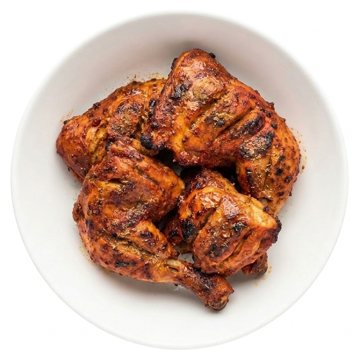
- Same: Tandoori Murg shares with this dish a yoghurt marinade for chicken, ginger paste, garlic paste, ground dried fenugreek leaves, vegetable oil, salt, and a melted butter finish.
- Different: Tandoori Murg uses a whole chicken in a double marinade with red chilli paste, garam masala, chaat masala, and extra lemon juice, while this dish uses boneless breast and adds pomegranate seed, dried mint, curry leaf, coriander leaf, green chilli, onion, fresh ginger, and Kashmiri chilli powder.

- Same: Both dishes use chicken cooked with vegetable oil, onion, garlic paste, ginger paste, and lemon juice.
- Different: Kali Mirch ka Murg is prepared as a thick stovetop curry featuring black peppercorns, lacking this dish's skewer-grilling method, fresh herbs, green chillies, and Kashmiri chilli powder.
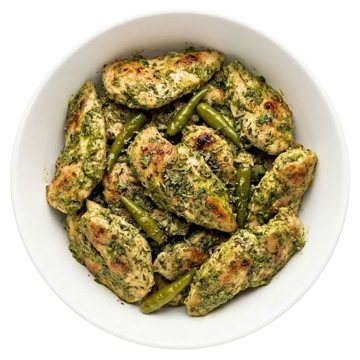
- Same: Murg Parche also marinates chicken in green chillies, ginger paste, garlic paste, salt, and vegetable oil.
- Different: Murg Parche is pan-fried or steamed with a yogurt marinade, lacking the lemon juice, onion, fresh ginger, curry leaves, mint, coriander, and Kashmiri chilli powder used in this grilled skewer dish.
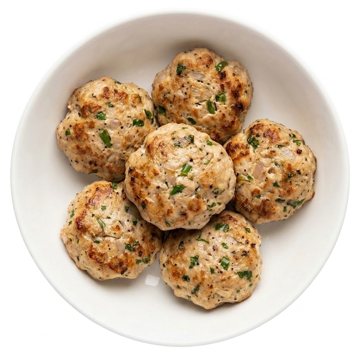
- Same: Murg Manpasand shares a chicken base seasoned with onion, ginger, garlic, green chillies, fresh coriander, and vegetable oil with this dish.
- Different: Instead of skewering and grilling marinated chicken, Murg Manpasand shapes it into patties that are steamed and pan-seared, incorporating black peppercorns and garam masala while omitting the lemon juice, Kashmiri chilli powder, mint, and curry leaves of this dish.