
Kadhi Pakoda
Kadhi pakoda is a North Indian dish of onion chickpea-flour fritters served in a creamy, tangy yoghurt curry. It tastes sour from the yoghurt, aromatic from the spices, and savoury with the crisp pakoras.
Pakora spices
3.7 gStirred into the pakora batter (step 1)
Kadhi base spice
1.5 gWhisked into the yoghurt and flour base (step 4)Tempering spices
7 gAdded to the hot oil (step 5)Everything else

Method
- In a bowl, combine 70 g chickpea flour, the pakora spices, 2 g baking powder, 1.5 g coriander leaves, 150 g onion and salt to taste.
- Add 50 to 60 ml water a little at a time and mix to a thick, tacky batter. Set aside.
- Heat oil for deep-frying to 170°C (340°F), or until a cube of bread browns in 30 seconds. Spoon in small amounts of the batter and fry until crisp and golden all over. Drain on kitchen paper.
- In another bowl, mix 50 g chickpea flour, 250 g greek yoghurt, the kadhi base spice and salt to taste. Add 450 ml water and whisk until smooth.
- Heat 27 g vegetable oil in a heavy-based saucepan over medium heat. Add the tempering spices and let them sizzle.
- Add 9 g garlic and 10 g fresh ginger and sauté for 1 minute over medium heat.
- Pour in the yoghurt mixture and keep stirring as it simmers so it stays smooth and does not catch or curdle. Simmer for 8 to 10 minutes, stirring halfway through.
- Check the seasoning. Scatter over coriander sprig and sliced green bird's eye chilli. Top with the pakoras and serve with rice.
Don't have something?


 Yellow split pea flour
Use 100% of the weight. Many commercial gram flours are milled from split peas; performs identically in pakora batters and kadhi.
 Cornstarch
For crisping batters or binding cutlets: use 50% to 60% of the weight. Produces a very crisp shell but lacks the earthy, roasted nutty flavour of besan.


 Hung natural yoghurt
Use the same weight and whisk smooth; same thick consistency.
 Full-fat natural yoghurt
Use 1.25 times the weight and strain through muslin for 30 minutes; looser if not strained.
 Hung yogurt
Use the same weight; virtually identical.


 Ground ginger
Use 50% of the weight. Mimics turmeric's warm, earthy, rhizome background, but provides none of the golden-yellow colour.
 Saffron
Steep a tiny pinch (0.1 g per 2 g turmeric) in 2 tbsp warm water; use to match the rich golden hue. Contributes an aristocratic, honeyed floral flavour rather than earthy bitterness.


 Peanut oil
Use 1:1 by weight. Handles high-heat frying identically and introduces a very subtle, pleasant nuttiness.
 Ghee
Use 1:1 by weight. Yields a much richer, authentic aroma and a glossy, heavier mouthfeel.
 Mustard oil
Use 1:1 by weight. Heat until smoking, then cool slightly before cooking to temper its intensely pungent, sharp mustard kick.


 Garlic powder
Use double the weight. Stir into hot oil just before adding wet ingredients; mimics the allium savoury background without the sulphurous edge.
 Garlic paste
Use 2 g for every 0.5 g of asafoetida. Sauté in oil until the raw smell clears; adds moisture and sweet allium depth.


 Mustard seeds
Use equal weight. Pop in hot fat until they crackle and turn greyish; yields an almost identical nutty, pungent finish.
 Yellow mustard seeds
Use equal weight. Fry over medium heat; delivers a milder, sweeter pop and turns bitter quickly if the oil is excessively hot.


 Ground cumin
Use 70% of the weight; add with ground spices or sauce bases rather than hot oil tempering, where it scorches quickly and turns bitter.
 Black cumin seeds
Use equal weight for oil tempering. Delivers an earthy profile with an additional musky, smoky, and slightly bitter edge.
 Fennel seed
Use 60% of the weight for tempering; offers comparable warm aroma, but leans sweet and liquorice-like rather than savoury and earthy.


 Dried kashmiri chilli
Use equal weight whole. Fry in hot oil or ghee as tempered spice; gives a richer red colour with slightly milder heat.
 Red chilli powder
Use 50% to 70% of the weight. Stir into the oil with ground spices; distributes heat evenly throughout the dish without whole chilli skins.

- Garlic paste
Use equal weight. Fry gently in oil or ghee with the ginger; incorporates smoothly into curries without visible minced bits.
- Garlic powder
Use 15% to 20% of the weight (about 1 g for every 5 to 6 g fresh cloves). Whisk into sauces; gives a savoury, toasted garlic flavour without raw pungency.
 Shallot
Use 1.5 times the weight, very finely minced. Sauté until golden; provides savoury allium sweetness, though it lacks garlic's pungent sulphur bite.


 Ginger paste
Use equal weight. Sauté in hot fat until the raw allium smell disappears; slightly wetter, but provides identical warmth and pungency.
- Ground ginger
Use 20% to 25% of the weight (1 g for every 4 to 5 g fresh). Stir into the gravy; adds peppery heat and warmth, though it misses the crisp, zesty kick of raw root.


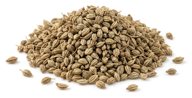 Carom seed
Use the same weight; this is the same spice.
- Cumin seed
Use 75% of the weight, toasted; different, less medicinal flavour.
- Fennel seed
Use 50% of the weight, crushed; sweeter and milder.

 Mild paprika
For the Kashmiri powder role use the same weight; add cayenne pepper at 10% of the weight if more heat is wanted.
 Kashmiri red chilli powder
For the powder role use the same weight; slightly hotter and deeper in colour.
 Green bird's eye chilli
For the fresh chilli role use the same weight; add gradually as it is much hotter than Kashmiri powder.


 Baking soda
Use 25% of the baking powder's weight (e.g. 1 g for 4 g) and add 2 g cream of tartar or 1 tsp lime juice per 100 g flour. Mix quickly and bake at once.
 Bicarbonate of soda
Same as baking soda: use 25% of the weight with an acid such as cream of tartar, lemon juice or yogurt. Expect a slightly soapy taste if overused.
 Self-raising flour
Replace the plain flour plus baking powder with the same weight of self-raising flour; omit added baking powder and reduce salt slightly.


 Coriander (cilantro) or basil
Use the same weight, choosing the coriander element if available. If only basil is available, expect a sweeter, more aniseed flavour.
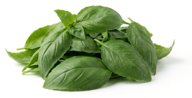 Basil leaves
Use the same weight. Basil is sweeter and more aromatic in a different way; add near the end so it keeps its perfume.
 Coriander paste
Use 1.5 times the weight and reduce other liquid slightly; it is less fresh and more concentrated, so taste before adding more.





- Vegetable oil
Use the same weight. It is neutral and behaves the same in frying and tempering; no noticeable change in flavour.
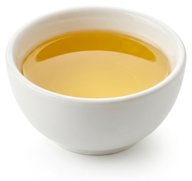 Corn or vegetable oil
Use the same weight. Neutral and good for high heat; the dish will taste virtually the same.
 Groundnut oil
Use the same weight. It has a mild nutty flavour and is good for Indian cooking; heat until just hot, not smoking, so the nuttiness does not dominate.


- Coriander leaves
Use about 2–3 g of leaves per sprig, or a small handful, as a garnish. The flavour is similar but less stemmy.
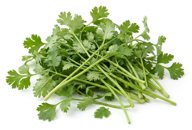 Coriander (cilantro) stem
Use about 2–3 g of tender stem per sprig, chopped. It gives a stronger, more earthy aroma.
 Mint sprig
Use one small sprig in place of one coriander sprig; mint is more cooling and dominant, so use sparingly.


- Bird's eye green chilli
Use the same weight; heat and flavour are very close.
 Green chilli
Use 1.5 to 2 times the weight; deseed for less heat. Larger chillies are more watery.
 Fresh green chilli
Use 1.5 to 2 times the weight; chop finely and adjust heat by tasting.

Similar dishes

- Same: Bihari Bari Kadhi shares chickpea flour, yoghurt, turmeric, garlic, chilli, cumin, coriander and vegetable oil with this dish, and both are yoghurt-based curries with fried gram-flour pieces.
- Different: Bihari Bari Kadhi uses carom seed and fruit salt in its dumplings and adds curry leaf, white onion and garam masala to the gravy, while this dish uses onion pakodas with baking powder, ajwain, asafoetida, mustard seed and ginger.

- Same: Rajasthani Karhi shares a tangy yoghurt-and-chickpea-flour curry base with this dish, including turmeric, asafoetida, cumin seed, dried red chilli, garlic, salt, and oil.
- Different: Rajasthani Karhi lacks this dish's onion chickpea-flour pakodas, ajwain, baking powder, mustard seed, ginger, fresh coriander, and green bird's eye chilli, and it uses peanut oil plus a ghee-or-oil cumin and dried red chilli tempering instead of a pakora garnish.

- Same: Rajasthani Gatte Ki Sabzi shares chickpea flour, Greek yoghurt, turmeric, Kashmiri chilli powder, baking powder, vegetable oil, asafoetida, cumin seed and coriander with this dish.
- Different: It makes boiled then fried chickpea-flour dumplings with dried fenugreek leaf and ginger, while this dish makes fried onion pakoras with garlic, ginger, ajwain, mustard seed and dried red chilli; its gravy uses mango powder and onion but no garlic or mustard seed.

- Same: Batata Vada shares chickpea flour, ground turmeric, asafoetida, cumin seed, garlic, green chilli, vegetable oil and deep-frying with this dish.
- Different: Batata Vada uses mashed potato as the main filling and lemon juice as the souring agent, while this dish uses onion pakodas in a yoghurt curry with mustard seed, dried red chilli, ginger and baking powder.