Indian cooking
Indian cooking / Dishes / Rajasthani Gatte Ki Sabzi
Rajasthani Gatte Ki Sabzi (Spiced Yoghurt Curry with Fenugreek Dumplings)

Rajasthani Gatte Ki Sabzi

Spiced Yoghurt Curry with Fenugreek Dumplings
VegetarianOrigin Rajasthan

A Rajasthani curry of boiled and fried chickpea-flour dumplings simmered in a spiced yoghurt gravy. It tastes tangy, gently hot and savoury, with tender dumplings in a light gravy.

Gatte masala

10 gMixed into the dumpling dough (step 1)
Keep as weighed and mix into the dough with the other dumpling ingredients.

Curry yoghurt masala

6 gWhisked into the yoghurt for the curry (step 7)
Whisk into the yoghurt until evenly combined.

Whole spices for the oil

3.5 gAdded to the hot oil before the onion paste (step 9)
01
1.4 g½ teaspoon
spice
02
2.1 g1 teaspoon
spice
Keep whole: add both to the hot oil together and let them sizzle.

Finishing masala

1.3 gStirred in after the heat is turned off (step 14)
01
1.3 g½ teaspoon
souring agent
Keep as weighed; stir in off the heat just before garnishing.

Everything else

02
22 g1½ tablespoons
dairy
03
~0.3 gpinch
other
04
to taste
salt
05
2 g1 teaspoon
aromatic
06
40 g3 tablespoons
oil/fat
07
45 g3 tablespoons
dairy
08
40 g3 tablespoons
oil/fat
09
Onion · Pyazground to a paste
120 g
vegetable
10
to taste
salt
11
Coriander · Dhaniaroughly chopped
to taste
herb

Method

  1. Mix 150 g chickpea flour, 22.5 g greek yoghurt, 0.3 g baking powder, salt to taste, 2 g grated ginger root, 40.5 g vegetable oil and the gatte masala (0.3 g ground turmeric, 1.2 g kashmiri chilli powder or mild paprika, 9 g dried fenugreek leaf) into a sticky dough.
  2. Divide the dough into 5 thin cylinders no wider than a finger and rest for 15 minutes.
  3. Bring 1.5 litres water to a boil in a wide pan over high heat.
  4. Add the gatte a few at a time and cook for 10 minutes, until they float; lift them out and reserve 650 ml of the cooking water.
  5. Cool the gatte for 10 minutes, then cut into bite-sized pieces.
  6. Heat vegetable oil for frying in a kadhai to about one-third depth over medium-high heat; test with a piece of bread — it should sizzle and brown in 30 seconds — then fry the gatte in batches for 3–4 minutes until golden and drain on paper towels.
  7. Whisk 45 g greek yoghurt with the curry yoghurt masala (1.8 g ground coriander, 1.3 g kashmiri chilli powder, 3 g ground turmeric) until combined and set aside.
  8. Heat 40.5 g vegetable oil in a heavy saucepan over medium heat.
  9. Add the whole spices for the oil (1.4 g asafoetida, 2.1 g cumin seed) and let them sizzle for a few seconds.
  10. Add 120 g onion paste and fry for 2 minutes.
  11. Take the pan off the heat, stir in the whisked yoghurt, then return it to low heat and cook for 2–3 minutes, stirring continuously.
  12. Add the reserved 650 ml water and simmer for 5 minutes; if the gravy is thick, stir in a little extra water.
  13. Add the gatte and cook uncovered over low heat for 5 minutes.
  14. Turn off the heat, stir in the finishing masala (1.4 g mango powder), season with salt and garnish with coriander, roughly chopped.

Don't have something?

Chickpea flour
  • Yellow split pea flour

    Use 100% of the weight. Many commercial gram flours are milled from split peas; performs identically in pakora batters and kadhi.

  • Cornstarch

    For crisping batters or binding cutlets: use 50% to 60% of the weight. Produces a very crisp shell but lacks the earthy, roasted nutty flavour of besan.

Greek yoghurt
Ground turmeric
  • Ground ginger

    Use 50% of the weight. Mimics turmeric's warm, earthy, rhizome background, but provides none of the golden-yellow colour.

  • Saffron

    Steep a tiny pinch (0.1 g per 2 g turmeric) in 2 tbsp warm water; use to match the rich golden hue. Contributes an aristocratic, honeyed floral flavour rather than earthy bitterness.

Kashmiri chilli powder or mild paprika
  • Kashmiri chilli powder

    Use the same weight; this is the first half of the book's option and gives the best red colour with mild heat.

  • Mild paprika

    Use the same weight; add a pinch of cayenne pepper for warmth. Slightly less colour.

  • Paprika

    Use the same weight and add cayenne pepper to taste; works but is less aromatic.

Baking powder
  • Baking soda

    Use 25% of the baking powder's weight (e.g. 1 g for 4 g) and add 2 g cream of tartar or 1 tsp lime juice per 100 g flour. Mix quickly and bake at once.

  • Bicarbonate of soda

    Same as baking soda: use 25% of the weight with an acid such as cream of tartar, lemon juice or yogurt. Expect a slightly soapy taste if overused.

  • Self-raising flour

    Replace the plain flour plus baking powder with the same weight of self-raising flour; omit added baking powder and reduce salt slightly.

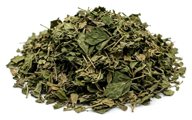
Dried fenugreek leaf
  • Dried fenugreek leaves

    Use the same weight, crush between your palms before adding. This is effectively the same ingredient.

  • Fresh fenugreek leaves

    Use about 4 times the weight, add later in cooking. Milder and leafier; less of the dried maple-hay aroma.

  • Ground dried fenugreek leaf

    Use the same weight and stir in early. Same flavour but no visible leaf specks.

Fresh ginger
  • Ginger paste

    Use equal weight. Sauté in hot fat until the raw allium smell disappears; slightly wetter, but provides identical warmth and pungency.

  • Ground ginger

    Use 20% to 25% of the weight (1 g for every 4 to 5 g fresh). Stir into the gravy; adds peppery heat and warmth, though it misses the crisp, zesty kick of raw root.

Vegetable oil
  • Peanut oil

    Use 1:1 by weight. Handles high-heat frying identically and introduces a very subtle, pleasant nuttiness.

  • Ghee

    Use 1:1 by weight. Yields a much richer, authentic aroma and a glossy, heavier mouthfeel.

  • Mustard oil

    Use 1:1 by weight. Heat until smoking, then cool slightly before cooking to temper its intensely pungent, sharp mustard kick.

Ground coriander
  • Coriander seeds

    Dry-roast lightly in a pan and grind to a fine powder; use equal weight (1:1). Offers a noticeably fresher, brighter citrus note.

  • Ground cumin

    Use 50% to 75% of the weight. Lacks the floral, citrusy profile of coriander and turns the gravy heavier, earthier, and darker.

  • Garam masala

    Use 50% of the weight and stir in near the end of cooking. Adds warmth and depth since it contains ground coriander, but introduces stronger spices like clove and cinnamon.

Kashmiri chilli powder
  • Dried kashmiri chilli

    Grind deseeded dried pods to an equal weight of powder; gives identical vivid red colour and gentle warmth.

  • Red chilli powder

    Use 25% of the weight mixed with sweet paprika for colour; straight red chilli powder is substantially hotter and will make the dish fiery.

  • Chilli powder

    Use one-third of the weight; the sauce will be less intensely red and notably sharper in heat.

Asafoetida
  • Garlic powder

    Use double the weight. Stir into hot oil just before adding wet ingredients; mimics the allium savoury background without the sulphurous edge.

  • Garlic paste

    Use 2 g for every 0.5 g of asafoetida. Sauté in oil until the raw smell clears; adds moisture and sweet allium depth.

Cumin seed
  • Ground cumin

    Use 70% of the weight; add with ground spices or sauce bases rather than hot oil tempering, where it scorches quickly and turns bitter.

  • Black cumin seeds

    Use equal weight for oil tempering. Delivers an earthy profile with an additional musky, smoky, and slightly bitter edge.

  • Fennel seed

    Use 60% of the weight for tempering; offers comparable warm aroma, but leans sweet and liquorice-like rather than savoury and earthy.

Onion
  • Shallot

    Use equal weight, finely sliced. Shallots soften and brown faster, giving a slightly sweeter and more delicate base to curries.

  • Cabbage

    Use 80% of the weight, finely shredded and browned slowly with a pinch of asafoetida. Replicates the bulk and natural sweetness in gravies without allium.


Amchoor
  • Lemon juice

    Use 15 g (1 tbsp) for every 5 g of amchoor. Stir in at the very end off the heat; adds liquid and fresh citrus aroma rather than dry fruity tang.

  • Tamarind extract

    Use 75% of the weight, dissolved in a splash of warm water. Simmer briefly; darkens the gravy and provides a deeper, caramelised sourness.

Coriander
  • Coriander leaf

    Use equal weight, chopped fresh and stirred in off the heat or used as garnish. Matches the citrus-herbal profile identically.

  • Mint

    Use 40% to 50% of the weight; chop finely and add at the very end. Adds fresh herbal brightness, but shifts the aroma toward cool menthol.

Similar dishes

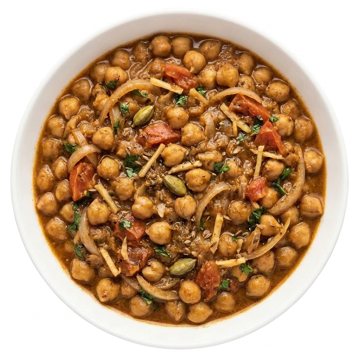
Punjabi Khatte Chole
Chickpea & Tomato Curry with Ginger & Dried Mango
Punjabi Khatte Chole tastes tangy from tomato and dried mango powder with a chickpea-forward, whole-spice warmth, while this dish tastes tangy from yoghurt and mango powder with tender dumplings in a light, gently hot gravy.
  • Same: Punjabi Khatte Chole shares with this dish a tangy curry profile built on vegetable oil, asafoetida, cumin, ground coriander, Kashmiri chilli, onion, ginger, dried mango powder and coriander.
  • Different: Punjabi Khatte Chole uses tinned chickpeas, tomato, garlic and green cardamom and simmers them in water or stock, while this dish uses chickpea-flour dumplings boiled and fried, then simmered in a yoghurt gravy with dried fenugreek leaf and baking powder.
Batata Vada (Indian Kitchen)
Deep-Fried Spiced Potato
Batata Vada is crisp outside and soft, savoury and gently hot inside with a fresh citrus note, while this dish is tangy from yoghurt and mango powder, gently hot and savoury with tender dumplings in a light gravy.
  • Same: Batata Vada shares chickpea flour, turmeric, Kashmiri chilli powder, asafoetida, cumin seed, vegetable oil and salt with this dish.
  • Different: Batata Vada is mashed potato with garlic, green bird’s eye chilli and curry leaf, coated in chickpea-flour batter and deep-fried, while this dish is chickpea-flour dumplings boiled and fried, then simmered in a yoghurt gravy with ginger, onion, dried fenugreek leaf and mango powder; Batata Vada uses lemon juice as its souring agent, while this dish uses yoghurt and mango powder.
Rajasthani Karhi
Gram (Chickpea) Flour & Yoghurt Curry
Rajasthani Karhi is silky and pourable with gentle heat and earthy cumin, while this dish has tender dumplings in a light, tangy, gently hot and savoury gravy.
  • Same: Rajasthani Karhi shares chickpea flour, yoghurt, turmeric, chilli powder, cumin seed, asafoetida, oil and salt with this dish, and both are tangy Rajasthani yoghurt-based curries.
  • Different: Rajasthani Karhi thickens the yoghurt gravy directly with chickpea flour and adds garlic paste, green chilli and dried red chilli, while this dish uses chickpea-flour fenugreek dumplings and includes onion, ginger, mango powder and baking powder.
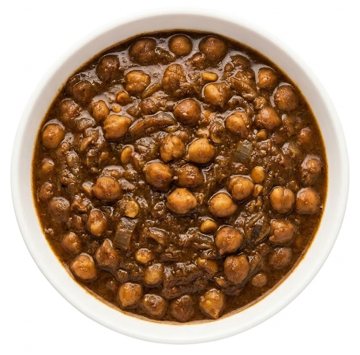
Punjabi Chole
Chickpea Curry with Ginger, Pomegranate and Tea
Punjabi Chole tastes thicker, more sour from pomegranate and lemon and lightly sweet, while this dish tastes tangy from yoghurt and mango powder, gently hot and lighter.
  • Same: Punjabi Chole shares with this dish a chickpea base, vegetable oil, onion, ginger, cumin, asafoetida, Kashmiri chilli, ground coriander, dried fenugreek leaf and coriander.
  • Different: Punjabi Chole has whole dried chickpeas, chana dal, tea, bicarbonate of soda, garlic, green chilli, tomato, pomegranate powder, black salt, sugar, garam masala and lemon juice, and it lacks this dish's yoghurt, baking powder, mango powder and chickpea-flour dumplings.