
Meen Thala Kari
A rich, fragrant South Indian fish curry enriched with coconut milk and sharpened by tangy tamarind, simmered with tender aubergines and okra.
Fish marinade spice
3 gRubbed over the fish head in step 1Ground spices for the sauce
7 gFried in the oil in step 2Everything else

Method
- Coat 1 cleaned fish head thoroughly with the fish marinade spice (3 g ground turmeric) and a pinch of salt to taste. Place it in a covered container and refrigerate for 30 minutes.
- Warm 27 g vegetable oil in a broad, heavy pan over low heat. Tip in the ground spices for the sauce along with salt to taste, stirring continuously for 2 minutes so they do not catch.
- Tumble in 240 g chopped tomato, 5 chopped chillies, 6 g grated fresh ginger and 15.6 g tamarind extract. Sauté for 2 minutes, then fit the lid onto the pan and let everything stew gently for 5 minutes.
- Pour about half of the 1268 g coconut milk (roughly 634 g) into the sauce and increase the heat to medium until it bubbles. Gently nestle in the marinated fish head, 10 halved okra and 6 halved small aubergines. Cover with the lid and simmer over medium heat for 20 minutes.
- Stir in the rest of the coconut milk and let the curry gently simmer uncovered for 2 minutes before taking off the heat.
Don't have something?


 Fish stock
Use about 250 ml stock for every 500 g fish head, and add fish pieces for body. Lacks gelatinous head meat; reduce salt.
 Whole fish
Use the same weight, cut through the bones into pieces. More flesh and less gelatin; simmer 5 minutes longer.
 Fish
Use the same weight of trimmings or small fish, crushed slightly. Gives body but less collagen; simmer 10 minutes.


 Ground ginger
Use 50% of the weight. Mimics turmeric's warm, earthy, rhizome background, but provides none of the golden-yellow colour.
 Saffron
Steep a tiny pinch (0.1 g per 2 g turmeric) in 2 tbsp warm water; use to match the rich golden hue. Contributes an aristocratic, honeyed floral flavour rather than earthy bitterness.


 Peanut oil
Use 1:1 by weight. Handles high-heat frying identically and introduces a very subtle, pleasant nuttiness.
 Ghee
Use 1:1 by weight. Yields a much richer, authentic aroma and a glossy, heavier mouthfeel.
 Mustard oil
Use 1:1 by weight. Heat until smoking, then cool slightly before cooking to temper its intensely pungent, sharp mustard kick.


 Cumin seed
Dry-roast briefly and grind finely; use equal weight (1:1). Imparts an even punchier, nuttier, toasty aroma than pre-ground cumin.
 Ground coriander
Use equal weight (1:1). Adds mild, lemony sweetness rather than cumin's smoky, earthy bite; curries will taste lighter and less savoury.
 Black cumin seeds
Grind finely; use 60% to 75% of the weight. Produces a darker, more complex, smoky-herbal flavour suited to rich gravies.


 Coriander seeds
Dry-roast lightly in a pan and grind to a fine powder; use equal weight (1:1). Offers a noticeably fresher, brighter citrus note.
- Ground cumin
Use 50% to 75% of the weight. Lacks the floral, citrusy profile of coriander and turns the gravy heavier, earthier, and darker.
 Garam masala
Use 50% of the weight and stir in near the end of cooking. Adds warmth and depth since it contains ground coriander, but introduces stronger spices like clove and cinnamon.


 Red chilli powder
Use 100% of the weight. Provides direct, sharp heat and red colour in equal measure.
 Kashmiri chilli powder
Use 150% to 200% of the weight if matching colour, but add a pinch of black pepper or hot chilli if you need equivalent fiery heat.
 Cayenne pepper
Use 75% to 100% of the weight. Offers a sharp, clean heat with slightly less earthy depth and less crimson colour.


 Tomato purée
Use 40% to 50% of the fresh tomato weight mixed with a splash of water. Imparts a deeper red colour, thicker sauce, and slightly sweeter cooked flavour.
 Plain yogurt
Use 60% of the weight, whisked smooth and added on low heat. Provides rich body and sourness, though the gravy becomes paler and creamier.


- Chilli powder
Use 10 to 15% of the weight (about 1/4 teaspoon per chilli); imparts dry pungent heat and reddens the dish without the grassy crunch.
 Dried red chilli
Use 1 dried pod per fresh green chilli; snap in half and temper in hot oil for a deeper, toastier heat.


 Ginger paste
Use equal weight. Sauté in hot fat until the raw allium smell disappears; slightly wetter, but provides identical warmth and pungency.
- Ground ginger
Use 20% to 25% of the weight (1 g for every 4 to 5 g fresh). Stir into the gravy; adds peppery heat and warmth, though it misses the crisp, zesty kick of raw root.


 Tamarind
Use 180% of the weight of compressed tamarind; soak in three times its weight of boiling water for 15 minutes, knead, and strain out the thick pulp.
 Dried mango powder
Use 35% of the weight dissolved in two tablespoons of warm water. Provides sharp tang, though the resulting sauce will be lighter in colour.
 Lemon juice
Use equal weight, added right at the end of cooking. Adds sharp acidity without the deep brown hue or pulpy thickness.


 Single cream
Use equal weight; simmer gently over low heat to prevent curdling. Imparts a comparable rich texture, though it adds dairy richness without any coconut fragrance.
 Cashew paste
Whisk 1 part cashew paste with 2 parts water to match the consistency, then use equal weight. Provides a thick, velvety body without coconut flavour.
 Whole milk
Use equal weight, but reduce other cooking liquids by 20% to compensate for the lower viscosity. The curry will be lighter and lack sweetness.

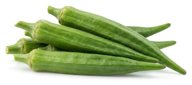
 Cluster bean
Use the same weight, topped, tailed and cut into similar pieces. It is firmer and less mucilaginous; cook a few minutes longer until tender.
 Green bean
Use the same weight, trimmed and cut into short lengths. It cooks faster and stays crisp; add towards the end and expect no okra stickiness.
 Aubergine
Use the same weight, cut into small pieces and cook until soft. It gives a soft, seedy texture but no okra mucilage and absorbs more oil.


 Baby aubergine
Use the same weight; halve or quarter and cook 2–3 minutes longer. They hold their shape better in the sauce.
 Small aubergine
Use the same weight; slice or cube to the recipe's size. Similar flesh, slightly firmer.
 Round aubergine
Use the same weight; cube and salt for 10 minutes if the recipe does. It absorbs oil a little more.


Similar dishes

- Same: Tikha Maslyatil Tali Macchi also uses fish and shares a seasoning base of turmeric, chilli powder, cumin, coriander, ginger, and vegetable oil with this dish.
- Different: Instead of being simmered in coconut milk, tomatoes, and tamarind with vegetables, it is fried using garlic paste, green chillies, and lime juice.
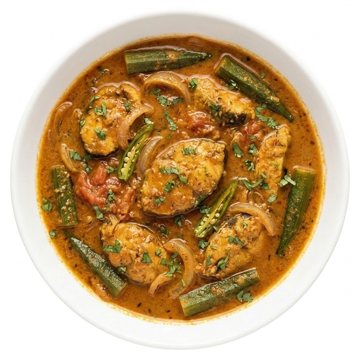
- Same: Goan Fish Curry (I) shares fish, tamarind, coconut, tomato, green chilli, turmeric and vegetable oil with this dish, and both simmer okra in the sauce.
- Different: Goan Fish Curry (I) uses firm white fish fillet rather than fish head, adds onion, garlic, dried red chilli, coriander seeds, cumin seed, fresh coconut and lemon juice, and lacks aubergine and ginger.

- Same: Both are South Indian fish curries cooked in vegetable oil using ginger, turmeric, coriander, chilli powder, and coconut.
- Different: Ga Archa Meen Kari uses dried coconut, onions, garlic, curry leaves, mustard seeds, and fenugreek seeds, while lacking this dish's coconut milk, tomatoes, tamarind extract, aubergines, and okra.

- Same: Madras Fish Curry shares vegetable oil, tomato, fresh ginger, tamarind, and the ground spices cumin, coriander, turmeric, and chilli powder with this dish.
- Different: Madras Fish Curry uses grated fresh coconut and poppy seed paste instead of coconut milk, adds onions, garlic, curry leaves, mustard seeds, and fenugreek, and incorporates vinegar and lime juice alongside tamarind.