
Cornish Crab Meen Moilee with Toasted Peanuts
A creamy coconut crab curry with lime, green chilli and toasted peanuts, served with chopped frisée. It tastes rich and tangy, with gentle heat and a nutty crunch.
Mustard seeds for the oil
10 gAdded to the hot coconut oil at the start of the sauce (step 1)Turmeric for the sauce
3 gAdded with the chilli and ginger after the onions soften (step 4)Everything else

Method
- Heat 27 g coconut oil in a large saucepan over medium heat. Add the mustard seeds for the oil and cook for about 30 seconds, until they pop.
- Add 30 g curry leaf and lower the heat to low.
- Add 300 g onion and cook for about 10 minutes, stirring now and then, until soft and pale but not browned.
- Add the turmeric for the sauce, 24 g green chilli and 20 g fresh ginger root. Stir for 2 minutes so the onions are coated.
- Pour in 304 g coconut milk, cover the pan and bring to the boil.
- Take the pan off the heat. Stir in 103 g lime juice, 100 g coriander leaves, 0.3 g caster sugar and 0.3 g sea salt. Let the sauce cool completely, then put it in the refrigerator.
- Toast 200 g peanut in a dry frying pan over medium heat for about 2 minutes, until lightly browned. Roughly chop the peanuts.
- Just before serving, mix 400 g white crab meat and 200 g frisée into the chilled sauce. Add a little more lime juice if needed and mix well.
- Spoon into bowls and top with the toasted peanuts.
Don't have something?


 Crab
Use the same weight of cooked picked crab; check for shell and add at the same stage.
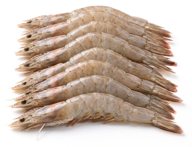 Prawn
Use the same weight, chopped; cook 2–3 minutes less or they toughen.
 White fish fillet
Use the same weight, steamed and flaked; fold in near the end to avoid breaking.


 Roasted peanut
Use the same weight; adjust salt if they are already salted, and crush or grind as the recipe asks.
 Cashew nut
Use the same weight; they are richer and softer, so roast for a shorter time and reduce added fat.
 Almond
Use the same weight; blanch and peel for sauces, or chop for texture. They are firmer and less oily.


 Watercress
Use the same weight; it is peppery and slightly bitter, but softer, so dress just before serving.
 Green salad
Use the same weight; it is milder, so add a pinch of salt or lemon to mimic bitterness.
 Spinach leaf
Use the same weight; it is not bitter, so the dish will taste softer and less crunchy.


 Vegetable oil
Use the same weight; it is neutral and will not add coconut aroma.
 Groundnut oil
Use the same weight; mild and good for frying, but no coconut flavour.
 Ghee
Use the same weight for richness; it adds a dairy aroma and is not vegan.


 Mustard seeds
Use equal weight. Pop in hot fat until they crackle and turn greyish; yields an almost identical nutty, pungent finish.
 Yellow mustard seeds
Use equal weight. Fry over medium heat; delivers a milder, sweeter pop and turns bitter quickly if the oil is excessively hot.


 Bay leaf
Fry 1 bay leaf for every 5 curry leaves in hot oil; imparts a warm, woodsy background note, but misses the citrus-sulphury punch entirely.
 Lime juice
Add a small squeeze (about 5 ml per sprig of curry leaves) right before serving; provides sharp citrus top notes without the toasty, herbal aroma.





 Ground ginger
Use 50% of the weight. Mimics turmeric's warm, earthy, rhizome background, but provides none of the golden-yellow colour.
 Saffron
Steep a tiny pinch (0.1 g per 2 g turmeric) in 2 tbsp warm water; use to match the rich golden hue. Contributes an aristocratic, honeyed floral flavour rather than earthy bitterness.


 Chilli powder
Use 10 to 15% of the weight (about 1/4 teaspoon per chilli); imparts dry pungent heat and reddens the dish without the grassy crunch.
 Dried red chilli
Use 1 dried pod per fresh green chilli; snap in half and temper in hot oil for a deeper, toastier heat.


 Ginger paste
Use equal weight. Sauté in hot fat until the raw allium smell disappears; slightly wetter, but provides identical warmth and pungency.
- Ground ginger
Use 20% to 25% of the weight (1 g for every 4 to 5 g fresh). Stir into the gravy; adds peppery heat and warmth, though it misses the crisp, zesty kick of raw root.


 Single cream
Use equal weight; simmer gently over low heat to prevent curdling. Imparts a comparable rich texture, though it adds dairy richness without any coconut fragrance.
 Cashew paste
Whisk 1 part cashew paste with 2 parts water to match the consistency, then use equal weight. Provides a thick, velvety body without coconut flavour.
 Whole milk
Use equal weight, but reduce other cooking liquids by 20% to compensate for the lower viscosity. The curry will be lighter and lack sweetness.

 Lemon juice
Use equal volume or weight; slightly sweeter and less pungent, but otherwise an imperceptible swap.
 Dried mango powder
Use 25% of the weight; imparts dry, fruity sourness, best stirred in right at the end of cooking.
 Tamarind extract
Use 50% of the weight; delivers pleasant fruity tang but turns pale sauces considerably darker.


 Coriander (cilantro) or basil
Use the same weight, choosing the coriander element if available. If only basil is available, expect a sweeter, more aniseed flavour.
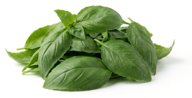 Basil leaves
Use the same weight. Basil is sweeter and more aromatic in a different way; add near the end so it keeps its perfume.
 Coriander paste
Use 1.5 times the weight and reduce other liquid slightly; it is less fresh and more concentrated, so taste before adding more.


 Granulated sugar
Use the same weight. It is slightly coarser, so stir a little longer to dissolve; in baking, grind briefly if a fine texture matters.
 Demerara sugar
Use the same weight, but dissolve it earlier as it is coarser. It adds a light caramel note and a little colour.
 Ground jaggery or soft brown sugar
Use the same weight; crush or grate jaggery first. It darkens the dish and adds molasses flavour, so reduce other liquid slightly.


Similar dishes

- Same: Crab Scotch Egg with Moilee Sauce shares crab, coconut milk, curry leaves, green chilli, onion, turmeric, ginger, coriander, lime juice, coconut oil and mustard seed with this dish.
- Different: Crab Scotch Egg with Moilee Sauce adds soft-boiled egg, brown crab meat, garlic, plain flour, panko breadcrumbs, deep-frying vegetable oil and samphire, and it lacks this dish's peanuts, frisée and black mustard seed.

- Same: Nejandu Thoran shares crab, coconut, curry leaves, green chilli, ginger, turmeric, and coconut oil with this dish.
- Different: Nejandu Thoran is a dry thoran coated in grated coconut and uses chilli powder, ground coriander, cumin, garlic, and shallot, while this dish is a creamy coconut-milk curry soured with lime and finished with peanuts and frisée.

- Same: Chimbori Shengdanya Kalwan shares crab, peanuts, onion, turmeric, lime juice, sugar and salt with this dish, and both use lime as the souring agent.
- Different: Chimbori Shengdanya Kalwan uses whole crab, vegetable oil, tomato, ginger paste, garlic paste, chilli powder, green cardamom, ground coriander, cumin, aniseed, garam masala and coconut feni, while this dish uses white crab meat, coconut oil, coconut milk, black mustard seed, curry leaf, green chilli, fresh ginger, coriander leaves and frisée.

- Same: Karnatakan Mussels shares coconut oil, black mustard seed, curry leaves, onion, turmeric, ginger, green chilli and a lime-coriander finish with this dish.
- Different: Karnatakan Mussels uses mussels opened in white wine with kashmiri chilli powder and coconut, while this dish uses crab, coconut milk, toasted peanuts and frisée and lacks white wine and kashmiri chilli powder.