
Chimbori Shengdanya Kalwan
A fragrant, nutty coastal crab curry featuring roasted crushed peanuts, aromatic spices, and a finishing splash of coconut feni.
Marinade spices
3 gRubbed over the crabs with lime juice (step 1)Curry spices
30 gFried with the tomatoes and seasonings (step 3)Everything else

Method
- Mix the marinade spices with 15.3 g lime juice in a wide dish. Rub the mixture thoroughly over 4 cleaned crabs, cover, and let rest in the refrigerator for 15 minutes.
- Warm 54 g vegetable oil in a large pan over medium heat. Add 150 g chopped onion and sauté for 5 to 7 minutes until deep golden brown, then stir in 300 g roasted crushed peanuts and cook for 2 minutes.
- Toss in 120 g chopped tomato, the curry spices, 1 teaspoon tamarind paste, 30.6 g lime juice, 8.4 g granulated sugar, and salt to taste. Sauté for 3 minutes, then pour in 1 litre of water, cover with a lid, and simmer for 5 minutes.
- Slide the marinated crabs into the pan along with any residual juices, splashing in a small amount of extra water if the pan seems dry. Cover and simmer for 20 minutes until the crab meat becomes completely opaque.
- Pour in 125 g coconut feni, stir well, then replace the lid and cook for another 2 to 3 minutes until piping hot.
Don't have something?


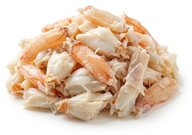 Crabmeat
Use the same weight, cooked and picked. Add near the end and heat for 2–3 minutes only.
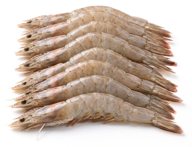 Prawn
Use the same weight, chopped. Firmer and sweeter; cook 2 minutes until just pink.
 White fish fillet
Use the same weight, in chunks. Softer; add 3–4 minutes before serving.


 Peanut oil
Use 1:1 by weight. Handles high-heat frying identically and introduces a very subtle, pleasant nuttiness.
 Ghee
Use 1:1 by weight. Yields a much richer, authentic aroma and a glossy, heavier mouthfeel.
 Mustard oil
Use 1:1 by weight. Heat until smoking, then cool slightly before cooking to temper its intensely pungent, sharp mustard kick.






 Roasted peanut
Use the same weight; adjust salt if they are already salted, and crush or grind as the recipe asks.
 Cashew nut
Use the same weight; they are richer and softer, so roast for a shorter time and reduce added fat.
 Almond
Use the same weight; blanch and peel for sauces, or chop for texture. They are firmer and less oily.


 Tomato purée
Use 40% to 50% of the fresh tomato weight mixed with a splash of water. Imparts a deeper red colour, thicker sauce, and slightly sweeter cooked flavour.
 Plain yogurt
Use 60% of the weight, whisked smooth and added on low heat. Provides rich body and sourness, though the gravy becomes paler and creamier.


 Fresh ginger
Use equal weight; peel and grate very finely on a microplane or pound to a fine paste in a mortar.
 Ginger
Use equal weight; mince finely and crush with the flat of a knife before frying.
 Ground ginger
Use 20% of the weight; add directly with the dry spice powders, though it yields an earthier, less pungent profile.


 Garlic
Use equal weight; crush or finely grate to a smooth pulp to replicate the same fresh, pungent moisture in your base gravy.
 Garlic powder
Use 20 to 25% of the weight; mix with a teaspoon of water before adding to oil so it does not burn, noting it lacks the fresh bite.


 Red chilli powder
Use 100% of the weight. Provides direct, sharp heat and red colour in equal measure.
 Kashmiri chilli powder
Use 150% to 200% of the weight if matching colour, but add a pinch of black pepper or hot chilli if you need equivalent fiery heat.
 Cayenne pepper
Use 75% to 100% of the weight. Offers a sharp, clean heat with slightly less earthy depth and less crimson colour.


- Ground ginger
Use 50% of the weight. Mimics turmeric's warm, earthy, rhizome background, but provides none of the golden-yellow colour.
 Saffron
Steep a tiny pinch (0.1 g per 2 g turmeric) in 2 tbsp warm water; use to match the rich golden hue. Contributes an aristocratic, honeyed floral flavour rather than earthy bitterness.


 Green cardamom seed
Grind freshly extracted inner black seeds finely; use equal weight (1:1). Greatly superior aroma with potent eucalyptus and citrus notes.
 Green cardamom pod
Lightly crack whole pods and simmer them in the gravy; use 150% of the weight of ground cardamom. Fish out the pods before serving.
 Ground nutmeg
Use 50% of the weight. Delivers warm, sweet aroma, but lacks cardamom's cooling, citrusy top notes.



 Coriander seeds
Dry-roast lightly in a pan and grind to a fine powder; use equal weight (1:1). Offers a noticeably fresher, brighter citrus note.
 Ground cumin
Use 50% to 75% of the weight. Lacks the floral, citrusy profile of coriander and turns the gravy heavier, earthier, and darker.
 Garam masala
Use 50% of the weight and stir in near the end of cooking. Adds warmth and depth since it contains ground coriander, but introduces stronger spices like clove and cinnamon.


 Cumin seed
Dry-roast briefly and grind finely; use equal weight (1:1). Imparts an even punchier, nuttier, toasty aroma than pre-ground cumin.
- Ground coriander
Use equal weight (1:1). Adds mild, lemony sweetness rather than cumin's smoky, earthy bite; curries will taste lighter and less savoury.
 Black cumin seeds
Grind finely; use 60% to 75% of the weight. Produces a darker, more complex, smoky-herbal flavour suited to rich gravies.


 Ground fennel seed
Use the same weight; fennel is the closest everyday match, slightly sweeter and milder.
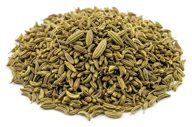 Aniseed
Grind the same weight freshly; the aroma is stronger, so add it near the end.
 Ground star anise
Use about 50% of the weight; it is much more powerful and slightly liquorice-heavy.



 Lemon juice
Use equal volume or weight; slightly sweeter and less pungent, but otherwise an imperceptible swap.
 Dried mango powder
Use 25% of the weight; imparts dry, fruity sourness, best stirred in right at the end of cooking.
 Tamarind extract
Use 50% of the weight; delivers pleasant fruity tang but turns pale sauces considerably darker.


- Ground cumin
Use 50% of the weight mixed with equal parts ground coriander and a pinch of ground cinnamon, ground cloves, and ground green cardamom. Sprinkle near the end for a warming finish.
 Lentil stew spice mix
Use 75% of the weight. Simmer briefly in the gravy; imparts roasted warmth and complexity, though it adds a slight tang and earthy lentil undertone.


 Jaggery
Use equal weight; grate or shave finely so it dissolves rapidly, giving a warm, caramel-like sweetness and slightly darker sauce.


 Brandy or rum
Use 80% of the weight; it has similar strength but none of feni's coconut funk. Add a little coconut milk if the flavour matters.
 Dark rum
Use 75–80% of the weight; sweeter and molasses-heavy, so reduce any added sugar.


Similar dishes
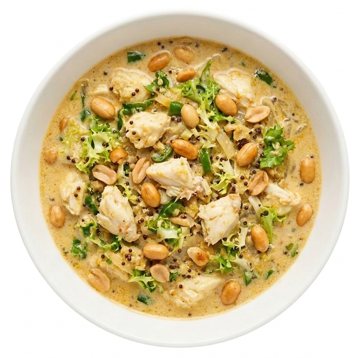
- Same: Both are crab curries that use peanuts, onion, turmeric and lime juice as the souring agent.
- Different: Cornish Crab Meen Moilee with Toasted Peanuts uses white crab meat, coconut oil, coconut milk, black mustard seed, curry leaf, green chilli, fresh ginger, frisée and coriander leaves, while this dish uses whole crab, vegetable oil, tomato, ginger paste, garlic paste, chilli powder, ground cardamom, ground coriander, ground cumin, ground aniseed, garam masala, sugar and coconut feni.

- Same: Masaledar Mutton shares an onion and tomato base seasoned with garlic, ginger, turmeric, chilli powder, coriander, cumin, and garam masala.
- Different: Masaledar Mutton uses lamb cooked in ghee alongside vegetable oil with fresh green chillies and bay leaf, omitting the crab, cardamom, sugar, and lime juice used in this dish.
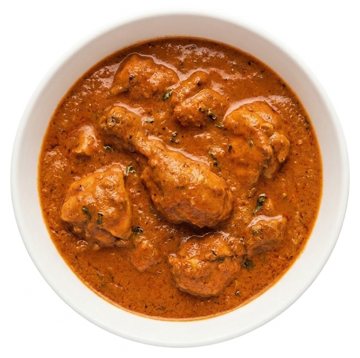
- Same: Butter Chicken shares tomato, lime juice, ginger-garlic paste, chilli powder, turmeric, coriander, cumin and garam masala with this dish.
- Different: Butter Chicken uses chicken marinated in yogurt and finished with butter and cream, and it has no crab, peanuts, onion or coconut feni.
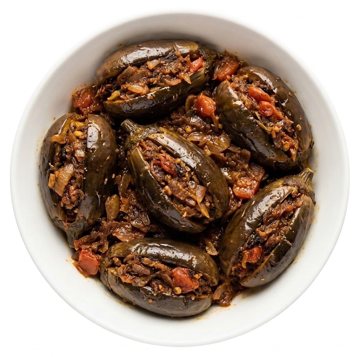
- Same: Bharwan Baigan shares an onion and tomato base seasoned with ginger, garlic, chilli powder, turmeric, coriander, and garam masala with this dish.
- Different: Bharwan Baigan uses whole stuffed aubergines cooked in mustard oil with cloves, omitting this dish's crab, roasted peanuts, cumin, cardamom, lime juice, and coconut feni.