
Karnatakan Mussels
Mussels are opened in white wine, then folded through a soft onion, coconut and chilli masala. They taste briny and creamy, with gentle heat and a fresh lime-coriander finish.
Whole spices for the oil
10 gAdded to the hot coconut oil (step 1)Ground spices for the masala
17 gStirred into the onion-coconut mixture (step 3)Everything else

Method
- Heat 27 g coconut oil in a frying pan over medium-high heat. Add the whole spices for the oil (10.5 g black mustard seed) and cook for 30 seconds, until they pop.
- Add 30 g curry leaves, lower the heat to low and add 300 g finely diced onion. Cook for 10 minutes, stirring now and then, until soft and see-through without browning.
- Stir in the ground spices for the masala (9 g ground turmeric and 7.8 g kashmiri chilli powder), 200 g grated coconut, 20 g grated ginger root, 18 g finely chopped green chilli and sea salt to taste. Cook for 2 minutes, stirring, until fragrant; keep warm on low heat.
- Wash 1000 g mussels, scrubbed and debearded. Tap any open mussels and discard those that do not close.
- Heat a large heavy saucepan, add 88.2 g dry white wine and simmer for a few minutes.
- Add the mussels, cover tightly and cook for about 4 minutes, until they open. Discard any that stay closed.
- Stir the masala through the mussels until they are evenly coated.
- Spoon into 4 bowls, scatter over 30 g chopped coriander leaves and drizzle with lime juice to taste. Serve straight away.
Don't have something?


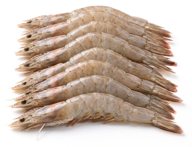 Prawn
Use the same weight, shelled; add in the last 2-3 minutes until pink. Texture is firmer and less briny.
 Small prawn
Use the same weight; they cook very quickly, so add at the end and do not simmer long.
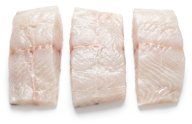 Firm white fish fillet
Use the same weight, cut into chunks; add 3-4 minutes before serving. Less briny, so taste and add salt.


 White wine vinegar
For 100 ml wine use 25 ml white wine vinegar plus 75 ml water; simmer 2 minutes to soften the sharpness.
 Lemon juice
For 100 ml wine use 1 tbsp lemon juice made up to 100 ml with water; add off the heat. Sharper and less complex.
 Vegetable stock
Use the same volume; add 1 tsp vinegar or lemon juice for acidity. Lighter, without wine's fermented depth.


 Coriander (cilantro) or basil
Use the same weight, choosing the coriander element if available. If only basil is available, expect a sweeter, more aniseed flavour.
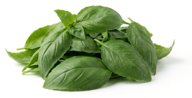 Basil leaves
Use the same weight. Basil is sweeter and more aromatic in a different way; add near the end so it keeps its perfume.
 Coriander paste
Use 1.5 times the weight and reduce other liquid slightly; it is less fresh and more concentrated, so taste before adding more.



- Lemon juice
Use equal volume or weight; slightly sweeter and less pungent, but otherwise an imperceptible swap.
 Dried mango powder
Use 25% of the weight; imparts dry, fruity sourness, best stirred in right at the end of cooking.
 Tamarind extract
Use 50% of the weight; delivers pleasant fruity tang but turns pale sauces considerably darker.


 Vegetable oil
Use the same weight; it is neutral and will not add coconut aroma.
 Groundnut oil
Use the same weight; mild and good for frying, but no coconut flavour.
 Ghee
Use the same weight for richness; it adds a dairy aroma and is not vegan.


 Mustard seeds
Use equal weight. Pop in hot fat until they crackle and turn greyish; yields an almost identical nutty, pungent finish.
 Yellow mustard seeds
Use equal weight. Fry over medium heat; delivers a milder, sweeter pop and turns bitter quickly if the oil is excessively hot.


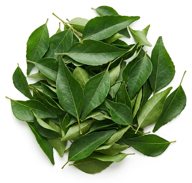
 Curry leaf
Use the same weight; tear and fry in oil as usual.
 Lime leaf
Use 50% of the weight, torn; citrusy but not resinous.
- Basil leaves
Use the same weight; sweet and aniseed-like, but quite different.






 Ground ginger
Use 50% of the weight. Mimics turmeric's warm, earthy, rhizome background, but provides none of the golden-yellow colour.
 Saffron
Steep a tiny pinch (0.1 g per 2 g turmeric) in 2 tbsp warm water; use to match the rich golden hue. Contributes an aristocratic, honeyed floral flavour rather than earthy bitterness.


 Dried kashmiri chilli
Grind deseeded dried pods to an equal weight of powder; gives identical vivid red colour and gentle warmth.
 Red chilli powder
Use 25% of the weight mixed with sweet paprika for colour; straight red chilli powder is substantially hotter and will make the dish fiery.
 Chilli powder
Use one-third of the weight; the sauce will be less intensely red and notably sharper in heat.

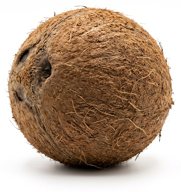
 Fresh coconut
Use equal weight freshly grated or diced. Delivers the identical sweet, milky taste and juicy texture.
 Desiccated coconut
Use 60% of the weight and soak in hot water or milk for 15 minutes before using. The finished dish will be slightly sweeter and less fibrous.
 Dried coconut
Finely grate and use 50% of the weight, soaked in hot water for 20 minutes. Yields a firmer chew and a denser, oilier coconut aroma.


 Ginger paste
Use equal weight. Sauté in hot fat until the raw allium smell disappears; slightly wetter, but provides identical warmth and pungency.
- Ground ginger
Use 20% to 25% of the weight (1 g for every 4 to 5 g fresh). Stir into the gravy; adds peppery heat and warmth, though it misses the crisp, zesty kick of raw root.


- Chilli powder
Use 10 to 15% of the weight (about 1/4 teaspoon per chilli); imparts dry pungent heat and reddens the dish without the grassy crunch.
 Dried red chilli
Use 1 dried pod per fresh green chilli; snap in half and temper in hot oil for a deeper, toastier heat.

Similar dishes

- Same: Kerala Meen Mappas shares with this dish coconut, black mustard seeds, curry leaves, onion, ginger, turmeric, Kashmiri chilli powder, green chilli and lime juice.
- Different: Kerala Meen Mappas uses sea bream and coconut milk with tamarind paste, garlic and water, while this dish uses mussels opened in white wine and folded through fresh coconut, onion and chilli masala.

- Same: Thakkali Pachadi shares coconut, turmeric, Kashmiri chilli, black mustard seed and curry leaves with this dish.
- Different: Thakkali Pachadi is a tomato-and-garlic chutney ground with toasted coconut and finished with a mustard-seed and urad-dal tadka in vegetable oil, while this dish is mussels opened in white wine and folded into an onion, coconut and green-chilli masala with coconut oil, ginger and lime juice.

- Same: Cockle Thoran shares coconut, turmeric, Kashmiri chilli powder, black mustard seed, curry leaves, lime juice and sea salt with this dish, and both are shellfish dishes finished with citrus.
- Different: Cockle Thoran is a dry thoran made with cockles, vegetable oil, banana shallot, ginger garlic paste, ground coriander, black pepper and garam masala, while this dish opens mussels in white wine and folds them through an onion, coconut and chilli masala with coconut oil, fresh ginger, green chilli and coriander leaves.
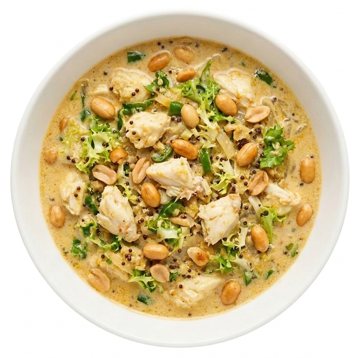
- Same: It shares coconut oil, black mustard seed, curry leaves, onion, turmeric, ginger, green chilli, coriander, lime and sea salt with this dish.
- Different: It uses white crab meat, peanuts, frisée, coconut milk, more lime juice and caster sugar, and lacks mussels, white wine, solid coconut and Kashmiri chilli powder; this dish opens mussels in white wine and folds them through a coconut masala.