
Chilli Paneer Fry
Chilli paneer fry is crisp-coated paneer tossed in a glossy sweet-hot chilli, garlic and tomato sauce with onion and pepper. It tastes savoury, tangy and spicy, with a light crunch from the batter.
Batter spices
9 gWhisked into the batter (step 1)Everything else

Method
- Whisk 19.8 g rice flour, 16.2 g cornflour, the batter spices (2.5 g kashmiri chilli powder, 1.1 g ground black pepper, 5.2 g garlic paste) and 40 ml water in a bowl until smooth.
- Add 280 g paneer cubes and turn until evenly coated.
- Heat oil for deep-frying to 170°C (340°F).
- Fry the coated paneer in batches for 20–30 seconds, until light brown and crisp on all sides.
- Drain on kitchen paper and set aside.
- Heat 27 g vegetable oil in a saucepan over medium heat.
- Add 12 g garlic and 6 g ginger and fry for 20 seconds.
- Add 150 g red onion and sauté for 2 minutes, until it starts to soften.
- Add 120 g red bell pepper and 4 g green bird’s eye chilli and fry for 2 minutes.
- Stir in 34.2 g chilli garlic sauce, 34.2 g tomato ketchup and 13 g sweet soy sauce.
- Add 8.4 g granulated sugar and stir until dissolved.
- Pour in 40 ml water to loosen the sauce slightly.
- Add the fried paneer and stir until every piece is evenly coated.
- Season to taste with salt and scatter over 30 g spring onion, finely sliced. Serve warm.
Don't have something?

 Extra-firm tofu
Use equal weight, pressed well to remove excess moisture and cut into cubes. Pan-fry lightly before adding; absorbs sauces similarly, though it lacks dairy sweetness.
 Halloumi
Use equal weight, soaked in warm water for 20 minutes to leach out excess salt. Holds shape during frying, but has a denser, saltier chew.


 Vegetable oil
Use the same weight. It is neutral and behaves the same in frying and tempering; no noticeable change in flavour.
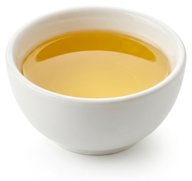 Corn or vegetable oil
Use the same weight. Neutral and good for high heat; the dish will taste virtually the same.
 Groundnut oil
Use the same weight. It has a mild nutty flavour and is good for Indian cooking; heat until just hot, not smoking, so the nuttiness does not dominate.


 Cornflour
Use about 60–70% of the weight for thickening; for coatings use the same weight but the crust is denser.
 Plain flour
Use the same weight for coatings; contains gluten, browns faster and is less crisp.
 Fine semolina
Use the same weight for crisp coatings; coarser texture and needs a short rest.


 Cornstarch
Use the same weight. It is the same ingredient under another name and thickens or crisps in the same way.
- Rice flour
For coating and frying, use the same weight; it gives a crisper, slightly gritty crust. For thickening, use 1.5 times the weight and simmer a little longer.
- Plain flour
For coating, use the same weight. For thickening, use twice the weight and cook out for 2–3 minutes; it gives a softer, less glossy sauce.


 Kashmiri chilli powder
Use the same weight; this is the first half of the book's option and gives the best red colour with mild heat.
 Mild paprika
Use the same weight; add a pinch of cayenne pepper for warmth. Slightly less colour.
- Paprika
Use the same weight and add cayenne pepper to taste; works but is less aromatic.


 Black peppercorn
Use 1:1 by weight; pulverise in a spice mill or mortar to a fine powder for immediate, punchy heat.
 Coarsely ground black pepper
Use equal weight; offers the same bite, though it gives a visibly speckled finish and firmer crunch.


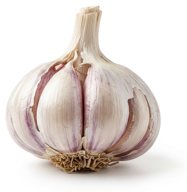
 Garlic
Use equal weight; crush or finely grate to a smooth pulp to replicate the same fresh, pungent moisture in your base gravy.
 Garlic powder
Use 20 to 25% of the weight; mix with a teaspoon of water before adding to oil so it does not burn, noting it lacks the fresh bite.


 Peanut oil
Use 1:1 by weight. Handles high-heat frying identically and introduces a very subtle, pleasant nuttiness.
 Ghee
Use 1:1 by weight. Yields a much richer, authentic aroma and a glossy, heavier mouthfeel.
 Mustard oil
Use 1:1 by weight. Heat until smoking, then cool slightly before cooking to temper its intensely pungent, sharp mustard kick.


- Garlic paste
Use equal weight. Fry gently in oil or ghee with the ginger; incorporates smoothly into curries without visible minced bits.
- Garlic powder
Use 15% to 20% of the weight (about 1 g for every 5 to 6 g fresh cloves). Whisk into sauces; gives a savoury, toasted garlic flavour without raw pungency.
 Shallot
Use 1.5 times the weight, very finely minced. Sauté until golden; provides savoury allium sweetness, though it lacks garlic's pungent sulphur bite.


 Ginger paste
Use equal weight. Sauté in hot fat until the raw allium smell disappears; slightly wetter, but provides identical warmth and pungency.
 Ground ginger
Use 20% to 25% of the weight (1 g for every 4 to 5 g fresh). Stir into the gravy; adds peppery heat and warmth, though it misses the crisp, zesty kick of raw root.


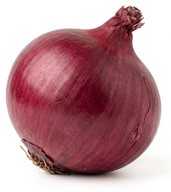
 Onion
Use the same weight; cook a little longer. Milder and less sweet when raw.
- Shallot
Use the same weight; sweeter and softer, so reduce cooking time slightly.
 Spring onion
Use only the white parts, weight for weight, for raw or quick-cooked dishes; green parts are too grassy for long cooking.
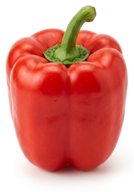
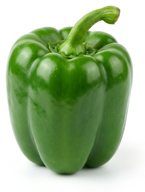 Bell pepper
Use the same weight; any colour works. Slightly less sweet if green.
 Yellow bell pepper
Use the same weight; similar sweetness and texture, only colour changes.
 Tomato
Use the same weight; it is softer and more acidic, so reduce other souring agents. Good for body, not crunch.


- Bird's eye green chilli
Use the same weight; heat and flavour are very close.
 Green chilli
Use 1.5 to 2 times the weight; deseed for less heat. Larger chillies are more watery.
 Fresh green chilli
Use 1.5 to 2 times the weight; chop finely and adjust heat by tasting.


- Chilli-garlic sauce
Use the same weight. Essentially the same product; check salt and heat levels.
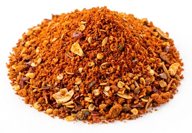 Chilli garlic chutney
Use the same weight but thin with 1 tsp vinegar or water. It is fresher, sharper and less sweet.
 Red chilli paste
Use the same weight plus 1/4 tsp garlic paste per tbsp. Add a pinch of sugar and salt; brighter and less processed.


 Tomato purée
For 100 g ketchup use 80 g tomato purée, 10 g sugar and 10 g vinegar; simmer 5 minutes. Less sweet and sharper.
 Worcestershire sauce
Use 60-70% of the weight; more savoury and thinner. Not vegetarian in most brands.
 Thick red chilli sauce
Use the same weight and reduce other chilli. Sweeter and hotter, so taste first.


 Soy sauce
For 100 g sweet soy sauce, simmer 75 g soy sauce with 25 g brown sugar or jaggery until syrupy. Close, but less thick and glossy.
 Jaggery or sugar
Mix with soy sauce as above; use 20–30 g jaggery or sugar per 100 g soy sauce and simmer briefly.


 Jaggery
Use equal weight; grate or shave finely so it dissolves rapidly, giving a warm, caramel-like sweetness and slightly darker sauce.


 Spring onion green
Use the same weight; use only the green parts, so the dish loses some of the white onion base.
- Onion
Use 60% of the weight, finely sliced; stronger and sharper, so cook it down more.
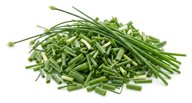 Chive
Use the same weight; milder and best added late or as a garnish, not as a cooked base.

Similar dishes

- Same: Dhingri Dulma shares paneer, bell peppers, ginger, garlic, chilli heat and a stir-fried cooking style with this dish.
- Different: Dhingri Dulma adds mushrooms, green and yellow bell peppers, black cumin, cardamom, clove, fenugreek and black rock salt, and uses a large tomato masala instead of this dish's rice flour-cornflour batter and ketchup, chilli garlic sauce, sweet soy sauce and sugar.

- Same: Zafrani Paneer Tikka shares paneer, garlic, ginger, green bird’s-eye chilli and salt with this dish.
- Different: Zafrani Paneer Tikka marinates paneer in saffron, Greek yoghurt, chickpea flour, ground green cardamom and fennel powder and grills it with green bell pepper, then finishes with lime, chaat masala and mint raita, while this dish coats paneer in rice flour and cornflour, fries it and tosses it in chilli garlic sauce, tomato ketchup, sweet soy sauce and sugar with red onion, red bell pepper and spring onion.

- Same: It shares paneer, bell pepper, onion, tomato, Kashmiri chilli powder, ginger and vegetable oil with this dish.
- Different: It uses more paneer and tomato plus tomato purée, white onion, mixed bell peppers, whole roasted coriander, cumin, black peppercorn and cardamom, and dried fenugreek, and lacks this dish’s rice flour-cornflour batter, garlic, chilli garlic sauce, tomato ketchup and sweet soy sauce.

- Same: Karhai Paneer shares paneer, bell pepper, onion, ginger, garlic, tomato and chilli with this dish.
- Different: Karhai Paneer uses ghee, tomato purée and whole spices such as black cardamom, cinnamon, clove and fenugreek, while this dish uses a rice-flour and cornflour batter, vegetable oil, ketchup, chilli garlic sauce and sweet soy sauce and lacks those whole spices.