
Chettinad Chicken
A peppery, fennel-scented Chettinad-style chicken, cooked until tender with curry leaves, tomato and a fresh lime finish.
Marinade spices
8 gMixed into the chicken with salt and ginger (step 1)Whole spices for the oil
10 gAdded to the hot oil, mustard first, then the rest (steps 2–3)Everything else


Method
- Put 650 g chicken thigh in a bowl with 0.3 g salt, 2 g grated ginger and the marinade spices; mix to coat and leave for 20 minutes, or refrigerate overnight.
- Heat 40.5 g vegetable oil in a heavy saucepan over medium heat. Add 3.5 g black mustard seed, the first part of the whole spices for the oil, and let it crackle for a few seconds.
- Add 2 g split urad dal and the rest of the whole spices for the oil: 2 g fennel seed, 1.3 g cinnamon stick and 3 g dried kashmiri chilli. Stir for a few seconds.
- Add half the 3.8 g curry leaf and 100 g thinly sliced onion. Cook for 8–10 minutes over medium heat until the onion starts to turn light brown.
- Add the marinated chicken and fry for about 5 minutes, stirring to coat the pieces in the pan mixture.
- Pour in 49.7 g water, cover and cook over low heat for 7–8 minutes, until the chicken is cooked through.
- Add 100 g roughly chopped tomato and the remaining curry leaves. Turn for 2 minutes to heat them.
- Take the pan off the heat. Stir in 25 g lime juice and chopped coriander leaf to taste, with extra salt if needed.
Don't have something?


 Boneless chicken thigh
Use the same weight if boneless is needed; cooks 5–10 minutes faster than bone-in. Juicy and forgiving.
 Chicken leg
Use the same weight; bone-in and larger, so add 5–10 minutes. Similar richness.
 Chicken breast
Use the same weight; much leaner and drier, so reduce cooking time by 5–10 minutes and do not overcook.


 Black peppercorn
Use the same weight and crush or grind as the recipe needs; whole peppercorn is the same spice.
 Ground black pepper
Use the same weight; add nearer the end if the recipe calls for whole pepper, as ground loses aroma faster.
 Ground white pepper
Use about 75–80% of the weight; it is milder and earthier, with less bite.


 Ginger paste
Use equal weight. Sauté in hot fat until the raw allium smell disappears; slightly wetter, but provides identical warmth and pungency.
 Ground ginger
Use 20% to 25% of the weight (1 g for every 4 to 5 g fresh). Stir into the gravy; adds peppery heat and warmth, though it misses the crisp, zesty kick of raw root.


- Ground ginger
Use 50% of the weight. Mimics turmeric's warm, earthy, rhizome background, but provides none of the golden-yellow colour.
 Saffron
Steep a tiny pinch (0.1 g per 2 g turmeric) in 2 tbsp warm water; use to match the rich golden hue. Contributes an aristocratic, honeyed floral flavour rather than earthy bitterness.


 Dried kashmiri chilli
Grind deseeded dried pods to an equal weight of powder; gives identical vivid red colour and gentle warmth.
 Red chilli powder
Use 25% of the weight mixed with sweet paprika for colour; straight red chilli powder is substantially hotter and will make the dish fiery.
 Chilli powder
Use one-third of the weight; the sauce will be less intensely red and notably sharper in heat.


 Peanut oil
Use 1:1 by weight. Handles high-heat frying identically and introduces a very subtle, pleasant nuttiness.
 Ghee
Use 1:1 by weight. Yields a much richer, authentic aroma and a glossy, heavier mouthfeel.
 Mustard oil
Use 1:1 by weight. Heat until smoking, then cool slightly before cooking to temper its intensely pungent, sharp mustard kick.


 Mustard seeds
Use equal weight. Pop in hot fat until they crackle and turn greyish; yields an almost identical nutty, pungent finish.
 Yellow mustard seeds
Use equal weight. Fry over medium heat; delivers a milder, sweeter pop and turns bitter quickly if the oil is excessively hot.


 Black gram
Use the same weight; usually the same split skinned dal, so no real change.
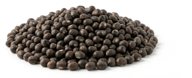 Whole black gram
Use the same weight; soak longer and cook until soft. More intact and slightly less creamy.
 Split mung beans
Use the same weight; cooks faster but gives less sticky, creamy body to the dish.


 Aniseed
Use 75% of the weight. Fry in hot oil or ghee; has a sharper, more pronounced liquorice flavour, so use a lighter hand.
 Ground fennel seed
Use 60% of the weight. Stir into the sauce with ground masalas; provides identical sweet aniseed flavour without whole seed crunch.
 Star anise
Use one point (single carpel) per 1 g of fennel seeds. Simmer in gravies and remove before serving; gives a deeper, woodier liquorice aroma.


 Ceylon cinnamon
True cinnamon: thinner, papery quills, milder and sweeter. Use about 1.5 times the weight, and taste.
 Ground cinnamon (cassia)
Use about a third of the weight (0.5 g ground for a 2.5 cm piece), stirred in with the ground spices rather than fried whole, since the powder burns quickly.
 Cassia buds
Use 60-70% of the weight; stronger and more peppery, so taste before adding more.


- Kashmiri chilli powder
Use 1 g powder for every 1.5 g whole dried chilli; whisk with a spoonful of warm water and stir into the masala to provide identical ruby colour and mild heat.
 Dried red chilli
Use 35% to 40% of the weight; discard seeds before tearing into oil to temper. Delivers a much fiercer heat, with significantly less red colouring.


 Bay leaf
Fry 1 bay leaf for every 5 curry leaves in hot oil; imparts a warm, woodsy background note, but misses the citrus-sulphury punch entirely.
 Lime juice
Add a small squeeze (about 5 ml per sprig of curry leaves) right before serving; provides sharp citrus top notes without the toasty, herbal aroma.





 Stock
Use the same weight in savoury dishes; it adds body, so adjust salt.
 Milk
Use the same weight only in doughs or creamy dishes; it makes the result richer.
 Coconut water
Use the same weight in curries or rice; it adds sweetness and a faint coconut taste.


 Tomato purée
Use 40% to 50% of the fresh tomato weight mixed with a splash of water. Imparts a deeper red colour, thicker sauce, and slightly sweeter cooked flavour.
 Plain yogurt
Use 60% of the weight, whisked smooth and added on low heat. Provides rich body and sourness, though the gravy becomes paler and creamier.


 Lemon
Use the same weight; sharper and less floral, so reduce any extra souring slightly.
 Lemon juice
Use about 30 g juice per lime (2 tbsp), strain pips; add at the end for fresh sourness.
 Dried mango powder
Use 1 g amchoor for about 15 g lime juice; add early with spices; gives dry mango sourness, not citrus aroma.


Similar dishes

- Same: Kolkata Doi Murgi shares with this dish chicken, onion, Kashmiri chilli powder, turmeric, cinnamon, black pepper, coriander leaf, oil and water in a spiced chicken curry.
- Different: Kolkata Doi Murgi adds thick yoghurt, mustard oil, garlic, green cardamom, bay leaf and garam masala, while it lacks this dish's tomato, lime, curry leaves, mustard seed, urad dal and fennel seed.

- Same: Kozhi Appakari shares vegetable oil, mustard seeds, urad dal, fennel, cinnamon, black pepper, turmeric, onion, tomato and ginger with this dish.
- Different: Kozhi Appakari uses roughly nineteen times as much ginger as this dish, adds garlic and fresh red chilli, has more tomato, and lacks curry leaves, lime and Kashmiri chilli powder.

- Same: Tamil Chicken Kozhumbu shares chicken, black pepper, fennel seed, curry leaves, tomato, onion, turmeric, Kashmiri chilli, cinnamon and vegetable oil with this dish.
- Different: Tamil Chicken Kozhumbu uses bone-in skinless chicken and adds garlic, ginger, green bird's eye chilli, cumin, clove, poppy seed and coriander seeds, while this dish uses boneless thigh and has black mustard seed, urad dal and a lime finish.

- Same: Achari Murgh Tikka shares boneless chicken thigh, black mustard seed, fennel seed, kashmiri chilli powder, ginger and lime with this dish.
- Different: Achari Murgh Tikka adds yoghurt, butter, mustard oil, garlic, cumin, nigella and fenugreek and is grilled on skewers, while this dish is cooked in vegetable oil with onion, tomato, curry leaves, turmeric and black pepper.