Indian cooking
Indian cooking / Dishes / Kozhi Appakari
Kozhi Appakari (Ginger Chicken with Mustard)

Kozhi Appakari

Ginger Chicken with Mustard
Non-vegetarian●●●Origin KeralaPrep 30 minutes, plus marinating timeCook 30 minutes

A fragrant, ginger-forward South Indian chicken curry punctuated with tempered mustard seeds, lentils, and warm spices.

Marinade spice

3 gStirred into the ginger paste (step 1)
01
3 g1 teaspoon
spice
Keep ground; stir directly into the blended ginger.

Whole spices for the oil

10 gBloomed in the hot oil (step 2)
01
5 g5 chillies
spice
02
2 g1 teaspoon
spice
03
2.6 g2 pieces
spice
Keep whole: they go into the hot oil together.

Everything else

01
Chicken · Murghcut into pieces
1200 g1 chicken
poultry
02
68 g5 tablespoons
oil/fat
03
Black gram · Urad Dalrinsed and drained
4.3 g1 teaspoon
legume
04
15–18 g5–6 cloves
aromatic
05
150 g1 onion
vegetable
06
240 g2 tomatoes
vegetable
07
15–20 g3–4 chillies
vegetable
08
to taste
salt
09
38 g1 piece
aromatic
10
~0.3 gpinch
salt

Method

  1. Purée 38.4 g ginger to a fine paste using a small blender or food processor. Transfer to a bowl and combine thoroughly with the marinade spice and 0.3 g salt. Rub this mixture evenly over 1200 g chicken, cover, and refrigerate for 4 hours.
  2. Warm 67.5 g vegetable oil in a heavy-based pan over medium heat. Add the whole spices for the oil along with 1 teaspoon mustard seeds and 4.3 g urad dal, frying for about 1 minute until the seeds crackle and the chillies deepen in colour.
  3. Stir in 15–18 g garlic, followed by 150 g onion, and sauté for roughly 4 minutes until soft and lightly golden.
  4. Toss in 240 g tomato and cook for 2 to 3 minutes until softened.
  5. Add the marinated chicken, all its marinade juices, 3 whole red chillies, and salt to taste. Raise the heat to high and fry vigorously for 8 to 10 minutes until the meat is well browned.
  6. Cover with a tight-fitting lid, lower the heat, and simmer gently for 10 to 15 minutes, giving it an occasional stir, until the chicken is cooked through.
  7. Take off the lid and scatter over 1 teaspoon black pepper before serving.

Don't have something?

Chicken
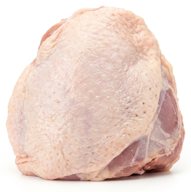
  • Turkey thigh

    Use 100% of the weight, cut into equivalent bone-in or boneless pieces. Simmer for an extra 5 to 10 minutes; flavour and texture are very similar.

  • Lamb

    Use 100% of the weight. Cut into bite-sized pieces and extend simmering time by 35 to 50 minutes, adding extra liquid to allow the meat to tenderise.

Vegetable oil
  • Peanut oil

    Use 1:1 by weight. Handles high-heat frying identically and introduces a very subtle, pleasant nuttiness.

  • Ghee

    Use 1:1 by weight. Yields a much richer, authentic aroma and a glossy, heavier mouthfeel.

  • Mustard oil

    Use 1:1 by weight. Heat until smoking, then cool slightly before cooking to temper its intensely pungent, sharp mustard kick.

Dried red chilli
  • Dried kashmiri chilli

    Use equal weight whole. Fry in hot oil or ghee as tempered spice; gives a richer red colour with slightly milder heat.

  • Red chilli powder

    Use 50% to 70% of the weight. Stir into the oil with ground spices; distributes heat evenly throughout the dish without whole chilli skins.

Brown mustard seeds
  • Black mustard seed

    Use 75–80% of the weight; it is sharper and more pungent, so temper briefly and do not over-brown.

  • Yellow mustard seeds

    Use the same weight, or 1.1 times if you want more heat; they are milder and rounder in flavour.

  • Mustard powder

    Use half the weight; mix into wet ingredients rather than hot oil, as it burns easily and lacks the seed crunch.

Urad dal
  • Whole black gram

    Use equal weight. Needs longer soaking and cooking; the dark skins impart an earthy flavour and greyish-black hue unless thoroughly rubbed off.

  • Chana dal

    Use equal weight when tempering (tadka). Provides a comparable nutty, crunchy texture in hot oil, though grains are slightly larger.

  • Split mung beans

    Use equal weight for batters or dals. Ferments and cooks faster, producing a lighter, less sticky, and less viscous consistency.

Fennel seed
  • Aniseed

    Use 75% of the weight. Fry in hot oil or ghee; has a sharper, more pronounced liquorice flavour, so use a lighter hand.

  • Ground fennel seed

    Use 60% of the weight. Stir into the sauce with ground masalas; provides identical sweet aniseed flavour without whole seed crunch.

  • Star anise

    Use one point (single carpel) per 1 g of fennel seeds. Simmer in gravies and remove before serving; gives a deeper, woodier liquorice aroma.

Cassia bark
  • Ceylon cinnamon

    True cinnamon: thinner, papery quills, milder and sweeter. Use about 1.5 times the weight, and taste.

  • Ground cinnamon (cassia)

    Use about a third of the weight (0.5 g ground for a 2.5 cm piece), stirred in with the ground spices rather than fried whole, since the powder burns quickly.

  • Cassia buds

    Use 60-70% of the weight; stronger and more peppery, so taste before adding more.

Garlic
  • Garlic paste

    Use equal weight. Fry gently in oil or ghee with the ginger; incorporates smoothly into curries without visible minced bits.

  • Garlic powder

    Use 15% to 20% of the weight (about 1 g for every 5 to 6 g fresh cloves). Whisk into sauces; gives a savoury, toasted garlic flavour without raw pungency.

  • Shallot

    Use 1.5 times the weight, very finely minced. Sauté until golden; provides savoury allium sweetness, though it lacks garlic's pungent sulphur bite.

Onion
  • Shallot

    Use equal weight, finely sliced. Shallots soften and brown faster, giving a slightly sweeter and more delicate base to curries.

  • Cabbage

    Use 80% of the weight, finely shredded and browned slowly with a pinch of asafoetida. Replicates the bulk and natural sweetness in gravies without allium.

Tomato
  • Tomato purée

    Use 40% to 50% of the fresh tomato weight mixed with a splash of water. Imparts a deeper red colour, thicker sauce, and slightly sweeter cooked flavour.

  • Plain yogurt

    Use 60% of the weight, whisked smooth and added on low heat. Provides rich body and sourness, though the gravy becomes paler and creamier.

Fresh red chilli
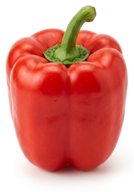
  • Red bell pepper

    Use the same weight, deseed and chop; it gives colour with little heat. Add green chilli separately if you want pungency.

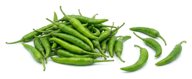
  • Fresh green chilli

    Use the same weight; heat is similar but the colour will be green rather than red.

  • Red chilli paste

    Use 70% of the weight and stir in earlier. Adjust salt and heat carefully.

Black pepper
  • Black peppercorn

    Use the same weight and crush or grind as the recipe needs; whole peppercorn is the same spice.

  • Ground black pepper

    Use the same weight; add nearer the end if the recipe calls for whole pepper, as ground loses aroma faster.

  • Ground white pepper

    Use about 75–80% of the weight; it is milder and earthier, with less bite.

Ginger
  • Fresh ginger

    Use equal weight; scrape off the skin and grate or finely julienne according to the recipe.

  • Ginger paste

    Use equal weight; stir straight into the sizzling aromatics, taking care as the extra moisture may spit.

  • Ground ginger

    Use 15 to 20% of the weight; add alongside ground spices, noting it imparts warm, dry heat rather than zesty freshness.

Ground turmeric
  • Ground ginger

    Use 50% of the weight. Mimics turmeric's warm, earthy, rhizome background, but provides none of the golden-yellow colour.

  • Saffron

    Steep a tiny pinch (0.1 g per 2 g turmeric) in 2 tbsp warm water; use to match the rich golden hue. Contributes an aristocratic, honeyed floral flavour rather than earthy bitterness.


Similar dishes

Koli Milagu Masala
Pepper Chicken from Chettinad
It tastes sharply peppery and warm from roasted whole spices rather than pungent, ginger-forward, and tomato-tangy like this dish.
  • Same: Koli Milagu Masala also simmers chicken in vegetable oil with an onion-tomato base, turmeric, cinnamon, fennel, and urad dal.
  • Different: It adds roasted coriander, black peppercorns, cumin, curry leaves, cardamom, bay leaf, and cloves, while using double the onion, half the tomato, and significantly less ginger.
Khare Masale ka Murg
Chicken with Aromatic Whole Spices
Khare Masale ka Murg is richer and dairy-tangy with sweet onion and whole-spice aromatics, lacking the intense ginger punch and tomato acidity of this dish.
  • Same: Khare Masale ka Murg also simmers chicken with an onion, garlic, and ginger base seasoned with dried red chillies and turmeric.
  • Different: It cooks in ghee rather than vegetable oil, sours with yogurt instead of tomatoes, and features whole cumin, cardamom, bay leaves, and fresh green chillies while omitting the urad dal, cinnamon, fennel, and large amount of ginger used in this dish.
Cha Sha
Chicken
Cha Sha has a milder, lighter, and sweeter onion-broth flavor, lacking the sharp ginger punch, tomato acidity, and warm whole-spice depth of this dish.
  • Same: Cha Sha also braises chicken in vegetable oil with an aromatic base of onions, garlic, fresh ginger, and ground turmeric.
  • Different: Cha Sha uses twice the amount of onions and swaps dried chillies for chilli powder, but it omits the tomatoes, urad dal, cinnamon, fennel seeds, and the heavy amount of ginger used in this dish.
Chettinad Chicken
Spiced Boneless Chicken with Black Pepper, Ginger and Curry Leaves
Chettinad Chicken tastes peppery, fennel-scented and lime-bright with curry-leaf aroma, while this dish is more ginger-forward, mustard-tempered and tomato-heavy with fresh red chilli heat.
  • Same: Chettinad Chicken and this dish are both South Indian chicken curries that temper mustard seeds, urad dal, fennel seed and cinnamon, and both use onion, tomato, turmeric, black pepper, ginger and dried red chilli.
  • Different: Chettinad Chicken uses boneless chicken thigh, curry leaves, lime juice and coriander leaf and adds water, while this dish uses a larger amount of chicken, garlic and fresh red chilli and has no curry leaves, lime or coriander leaf.