Indian cooking
Indian cooking / Dishes / Bharwan Parwal
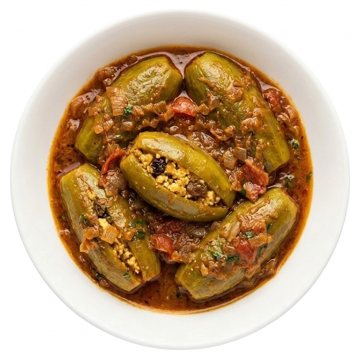
Bharwan Parwal (Stuffed Wax Gourd)

Bharwan Parwal

Stuffed Wax Gourd
Vegetarian●●●Origin AwadhPrep 1 hour 15 minutesCook 15 minutes

Tender wax gourds packed with a savoury, spiced chana dal stuffing and simmered in a rich, tangy tomato-yogurt gravy.

Turmeric for the filling

0.8 gAdded to the fried onions and dal (step 2)
01
0.8 g¼ teaspoon
spice
Keep ready to stir into the pan with the lentils.

Filling spices

9 gMixed into the ground dal mixture (step 3)
01
1.1 g½ teaspoon
spice
02
5 g2 teaspoons
souring agent
Stir together into the puréed dal.

Yogurt spices

12 gWhisked into the yogurt (step 4)
03
1.5 g½ teaspoon
spice
Whisk thoroughly into the yogurt until uniform.

Ginger and garlic pastes

26 gSautéed with the browned onion paste (step 5)
Weigh together into a small bowl.

Finishing spice

8 gStirred into the simmering curry at the end (step 6)
Keep ready to add during the final simmer.

Everything else

01
32000 g16 gourds
vegetable
02
Vegetable oil · Telfor deep frying
to taste
oil/fat
03
27 g2 tablespoons
oil/fat
04
150 g1 onion
vegetable
05
Chana dalrinsed and drained
100 g
legume
06
Green chilli · Hari Mirchde-seeded and chopped
24 g4 chillies
vegetable
07
0.3 g1 teaspoon
herb
08
259 g250 ml
dairy
09
26 g2 tablespoons
oil/fat
11
600 g5 tomatoes
vegetable
12
to taste
salt

Method

  1. Slit 16 wax gourds lengthways along one side and scrape out the seeds.
  2. Heat 27 g vegetable oil or ghee in a heavy pan over medium heat. Fry 150 g chopped onion for 5 to 7 minutes until golden brown. Stir in the turmeric for the filling and 100 g rinsed, drained chana dal, then turn the heat down and cook for about 30 minutes, adding a splash of water if needed, until the dal turns tender.
  3. Transfer the cooked dal to a food processor and blend until ground. Tip into a bowl and mix in the filling spices, 24 g chopped green chilli, and 0.3 g chopped coriander leaf. Divide the stuffing into 16 equal portions, pack into the hollowed gourds, and set aside.
  4. In a small bowl, thoroughly stir together 259 g whisked yogurt and the yogurt spices.
  5. Melt 26.4 g ghee in a large, heavy pan over medium heat. Add 2 tablespoon boiled onion paste and sauté for 2 to 3 minutes until golden brown. Add the ginger and garlic pastes and cook for 1 minute. Drop the heat to low, pour in the spiced yogurt, and stir continuously for 2 to 3 minutes until the ghee separates and rises to the surface. Stir in 600 g puréed tomato and salt to taste, increase the heat back to medium, and cook until reduced to a thick paste. Pour in 500 ml water and bring the gravy to a boil.
  6. Gently place the stuffed wax gourds into the boiling sauce, lower the heat, and simmer for 5 minutes. Stir in the finishing spice carefully, cook until the sauce turns thick, then take the pan off the heat.

Don't have something?

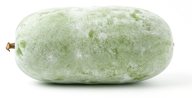
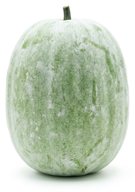
Wax gourd
  • Ash gourd

    Use the same weight; peel, deseed and cut to the same size. It holds shape slightly better, so give it 2–3 minutes more.

  • Bottle gourd

    Use the same weight; peel and deseed. It is softer and waterier, so cook 3–4 minutes less and reduce added water.

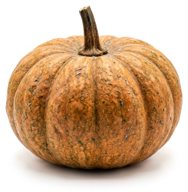
  • Pumpkin

    Use the same weight; peel and deseed. It is sweeter and softens faster, so cook 3–5 minutes less.

Vegetable oil
  • Peanut oil

    Use 1:1 by weight. Handles high-heat frying identically and introduces a very subtle, pleasant nuttiness.

  • Ghee

    Use 1:1 by weight. Yields a much richer, authentic aroma and a glossy, heavier mouthfeel.

  • Mustard oil

    Use 1:1 by weight. Heat until smoking, then cool slightly before cooking to temper its intensely pungent, sharp mustard kick.

Ghee or vegetable oil
  • Peanut oil

    Use equal weight; handles high tempering heat well and keeps flavours neutral.

  • Butter

    Use equal weight; cook over gentle heat to prevent browning the milk solids too quickly.

Onion
  • Shallot

    Use equal weight, finely sliced. Shallots soften and brown faster, giving a slightly sweeter and more delicate base to curries.

  • Cabbage

    Use 80% of the weight, finely shredded and browned slowly with a pinch of asafoetida. Replicates the bulk and natural sweetness in gravies without allium.

Ground turmeric
  • Ground ginger

    Use 50% of the weight. Mimics turmeric's warm, earthy, rhizome background, but provides none of the golden-yellow colour.

  • Saffron

    Steep a tiny pinch (0.1 g per 2 g turmeric) in 2 tbsp warm water; use to match the rich golden hue. Contributes an aristocratic, honeyed floral flavour rather than earthy bitterness.

Chana dal
  • Yellow split peas

    Use 100% of the weight. Soak for at least 1 hour; takes about 10 minutes longer to cook through and has a marginally earthier flavour.

  • Pigeon peas

    Use 100% of the weight. Reduces cooking time by about 10 minutes and breaks down softer, giving a smoother consistency rather than distinct grains.

  • Black gram

    For tempering or tadka only: use 70% of the weight. Browns faster in hot oil, providing a nutty, crunchy bite.

Cumin seed
  • Ground cumin

    Use 70% of the weight; add with ground spices or sauce bases rather than hot oil tempering, where it scorches quickly and turns bitter.

  • Black cumin seeds

    Use equal weight for oil tempering. Delivers an earthy profile with an additional musky, smoky, and slightly bitter edge.

  • Fennel seed

    Use 60% of the weight for tempering; offers comparable warm aroma, but leans sweet and liquorice-like rather than savoury and earthy.

Green chilli
  • Chilli powder

    Use 10 to 15% of the weight (about 1/4 teaspoon per chilli); imparts dry pungent heat and reddens the dish without the grassy crunch.

  • Dried red chilli

    Use 1 dried pod per fresh green chilli; snap in half and temper in hot oil for a deeper, toastier heat.

Coriander leaf
  • Coriander

    Use equal weight finely chopped; this is the exact same fresh herb.

  • Mint

    Use half the weight finely chopped; provides vibrant green freshness, though the flavour profile becomes noticeably cooler and sharper.

Amchoor
  • Lemon juice

    Use 15 g (1 tbsp) for every 5 g of amchoor. Stir in at the very end off the heat; adds liquid and fresh citrus aroma rather than dry fruity tang.

  • Tamarind extract

    Use 75% of the weight, dissolved in a splash of warm water. Simmer briefly; darkens the gravy and provides a deeper, caramelised sourness.

Ground black pepper
  • Black peppercorn

    Use 1:1 by weight; pulverise in a spice mill or mortar to a fine powder for immediate, punchy heat.

  • Coarsely ground black pepper

    Use equal weight; offers the same bite, though it gives a visibly speckled finish and firmer crunch.

Yogurt
  • Plain yogurt

    Use 100% of the weight. Whisk thoroughly until smooth before stirring into warm gravies to prevent curdling.

  • Single cream

    Use 90% of the weight combined with 10% lemon juice to replicate the lactic tang and rich body in marinades and curries.

Ground coriander
  • Coriander seeds

    Dry-roast lightly in a pan and grind to a fine powder; use equal weight (1:1). Offers a noticeably fresher, brighter citrus note.

  • Ground cumin

    Use 50% to 75% of the weight. Lacks the floral, citrusy profile of coriander and turns the gravy heavier, earthier, and darker.

  • Garam masala

    Use 50% of the weight and stir in near the end of cooking. Adds warmth and depth since it contains ground coriander, but introduces stronger spices like clove and cinnamon.

Chilli powder
  • Red chilli powder

    Use 100% of the weight. Provides direct, sharp heat and red colour in equal measure.

  • Kashmiri chilli powder

    Use 150% to 200% of the weight if matching colour, but add a pinch of black pepper or hot chilli if you need equivalent fiery heat.

  • Cayenne pepper

    Use 75% to 100% of the weight. Offers a sharp, clean heat with slightly less earthy depth and less crimson colour.

Ghee
  • Unsalted butter

    Use 120% of the weight; melt gently over low heat to avoid burning the milk solids, which will yield a softer, creamier richness rather than a nutty aroma.

  • Vegetable oil

    Use 85% of the weight; holds high cooking temperatures without smoking, but the final dish will lack traditional dairy depth.

  • Mustard oil

    Use equal weight; heat to smoking point and cool slightly before cooking, bearing in mind it introduces an assertive, pungent edge.

Boiled onion paste
  • Onion paste

    Use the same weight, then simmer in a little water for 5–8 minutes and cool; raw paste is sharper and stronger.

  • Fried onion paste

    Use about 75% of the weight; it is sweeter, darker and stronger, so reduce salt and sugar slightly.

  • Boiled onion

    Use the same weight, boil until soft and blend; it is the same thing made fresh.

Ginger paste
  • Fresh ginger

    Use equal weight; peel and grate very finely on a microplane or pound to a fine paste in a mortar.

  • Ginger

    Use equal weight; mince finely and crush with the flat of a knife before frying.

  • Ground ginger

    Use 20% of the weight; add directly with the dry spice powders, though it yields an earthier, less pungent profile.

Garlic paste
  • Garlic

    Use equal weight; crush or finely grate to a smooth pulp to replicate the same fresh, pungent moisture in your base gravy.

  • Garlic powder

    Use 20 to 25% of the weight; mix with a teaspoon of water before adding to oil so it does not burn, noting it lacks the fresh bite.

Tomato
  • Tomato purée

    Use 40% to 50% of the fresh tomato weight mixed with a splash of water. Imparts a deeper red colour, thicker sauce, and slightly sweeter cooked flavour.

  • Plain yogurt

    Use 60% of the weight, whisked smooth and added on low heat. Provides rich body and sourness, though the gravy becomes paler and creamier.

Garam masala
  • Ground cumin

    Use 50% of the weight mixed with equal parts ground coriander and a pinch of ground cinnamon, ground cloves, and ground green cardamom. Sprinkle near the end for a warming finish.


  • Lentil stew spice mix

    Use 75% of the weight. Simmer briefly in the gravy; imparts roasted warmth and complexity, though it adds a slight tang and earthy lentil undertone.

Similar dishes

Aloo Vadiyan
Spicy Lentil Dumplings with Potatoes
Aloo Vadiyan is earthier and less sour, lacking the sharp acidity of amchoor, heavy tomatoes, and the peppery heat of this dish.
  • Same: Both dishes simmer a lentil-and-vegetable combination in an onion, yogurt, and tomato gravy spiced with cumin, coriander, turmeric, and chilli powder.
  • Different: Aloo Vadiyan cooks potatoes and dried lentil dumplings in ghee with fenugreek seeds, rather than stuffing whole wax gourds with chana dal, green chillies, and garam masala.
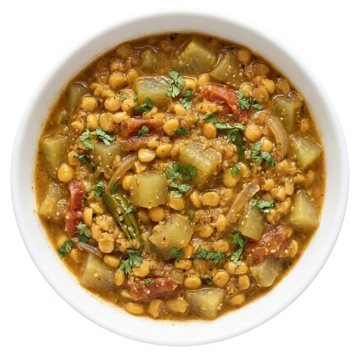
Potoler Dolma
Wax Gourd Curry
Potoler Dolma offers a sweeter, richer profile with the pungent kick of mustard oil, contrasting with the notably tangier and more peppery profile of this dish.
  • Same: Both dishes feature stuffed wax gourds simmered in an aromatic tomato, onion, ginger, and garlic gravy spiced with cumin seeds, green chillies, and garam masala.
  • Different: Potoler Dolma stuffs the gourds with paneer and raisins instead of chana dal, cooks in mustard oil rather than ghee or vegetable oil, and leaves out the yogurt, amchoor, ground coriander, and black pepper used in this dish.
Pappu Dosakai
Bottle Gourd (Calabash) with Chana Dal
Pappu Dosakai is milder and subtly sweeter from the coconut, whereas this dish is much tangier, richer, and more heavily spiced.
  • Same: Both dishes combine chana dal with gourd vegetables, tomatoes, onions, green chillies, coriander, and turmeric.
  • Different: Pappu Dosakai is a lentil stew made with dried coconut rather than whole stuffed gourds simmered with ghee, yogurt, ginger, and amchoor.
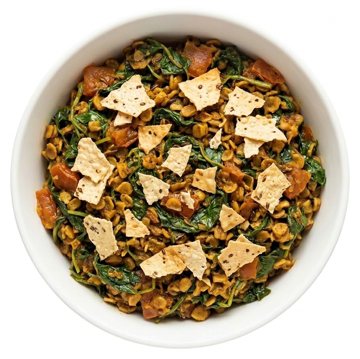
Papad Methi ki Subzi
Rajasthani Fenugreek
It tastes pleasantly bitter, crisp, and sharply tart rather than rich, creamy, and warmly spiced like this dish.
  • Same: Papad Methi ki Subzi shares a tomato base seasoned with cumin seeds, ginger paste, green chillies, ground coriander, turmeric, and chilli powder.
  • Different: Instead of stuffed wax gourds simmered in an onion, garlic, and yogurt gravy with ghee, it is a stir-fry made with fenugreek greens and papad soured with lemon juice.