
Papad Methi ki Subzi
A classic Rajasthani stir-fry of tender, pleasantly bitter fenugreek greens and spiced tomatoes, finished with crushed crisp papad and bright lemon juice.
Tempering spice
2.1 gBloomed in the hot oil (step 2)Spice paste
23 gStirred into the aromatics (step 3)Everything else

Method
- Dry-roast the 8 papads in a skillet over medium heat until blistered and crisp, then remove and set aside.
- Warm 40.5 g vegetable oil in a large, heavy saucepan over medium heat, add the tempering spice, and sizzle for about 1 minute until the seeds crackle.
- Stir in the spice paste and 12 g green chilli, cooking for about 1 minute to cook out the raw aromas.
- Add 100 g tomato and cook for roughly 5 minutes, pressing down with your spoon until completely soft and pulpy.
- Fold in 500 g chopped fenugreek and season with salt to taste. Sauté for 3 to 4 minutes until the leaves have wilted and cooked through.
- Crumble 6 of the roasted papads into the pan, pour in 15.3 g lemon juice, and toss gently for 1 minute. Remove from the heat, check the seasoning, and garnish with the remaining 2 papads broken into shards.
Don't have something?


 Crisp chickpea-flour noodles
Use the same weight, lightly crushed. It is crisp and salty, good as a garnish; it is finer and more brittle than papad and saltier, so reduce added salt.
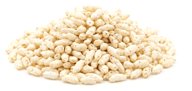 Puffed rice
Use the same weight, dry-toasted until crisp. It gives crunch but is lighter and less salty; add just before serving so it does not go soggy.
 Chapati
Use the same weight, toasted dry until brittle and crushed. It is a crisp stand-in but lacks papad's lentil flavour and salinity.



 Coriander seeds
Dry-roast lightly in a pan and grind to a fine powder; use equal weight (1:1). Offers a noticeably fresher, brighter citrus note.
 Ground cumin
Use 50% to 75% of the weight. Lacks the floral, citrusy profile of coriander and turns the gravy heavier, earthier, and darker.
 Garam masala
Use 50% of the weight and stir in near the end of cooking. Adds warmth and depth since it contains ground coriander, but introduces stronger spices like clove and cinnamon.


 Ground ginger
Use 50% of the weight. Mimics turmeric's warm, earthy, rhizome background, but provides none of the golden-yellow colour.
 Saffron
Steep a tiny pinch (0.1 g per 2 g turmeric) in 2 tbsp warm water; use to match the rich golden hue. Contributes an aristocratic, honeyed floral flavour rather than earthy bitterness.


 Red chilli powder
Use 100% of the weight. Provides direct, sharp heat and red colour in equal measure.
 Kashmiri chilli powder
Use 150% to 200% of the weight if matching colour, but add a pinch of black pepper or hot chilli if you need equivalent fiery heat.
 Cayenne pepper
Use 75% to 100% of the weight. Offers a sharp, clean heat with slightly less earthy depth and less crimson colour.


 Peanut oil
Use 1:1 by weight. Handles high-heat frying identically and introduces a very subtle, pleasant nuttiness.
 Ghee
Use 1:1 by weight. Yields a much richer, authentic aroma and a glossy, heavier mouthfeel.
 Mustard oil
Use 1:1 by weight. Heat until smoking, then cool slightly before cooking to temper its intensely pungent, sharp mustard kick.


- Ground cumin
Use 70% of the weight; add with ground spices or sauce bases rather than hot oil tempering, where it scorches quickly and turns bitter.
 Black cumin seeds
Use equal weight for oil tempering. Delivers an earthy profile with an additional musky, smoky, and slightly bitter edge.
 Fennel seed
Use 60% of the weight for tempering; offers comparable warm aroma, but leans sweet and liquorice-like rather than savoury and earthy.


 Fresh ginger
Use equal weight; peel and grate very finely on a microplane or pound to a fine paste in a mortar.
 Ginger
Use equal weight; mince finely and crush with the flat of a knife before frying.
- Ground ginger
Use 20% of the weight; add directly with the dry spice powders, though it yields an earthier, less pungent profile.


- Chilli powder
Use 10 to 15% of the weight (about 1/4 teaspoon per chilli); imparts dry pungent heat and reddens the dish without the grassy crunch.
 Dried red chilli
Use 1 dried pod per fresh green chilli; snap in half and temper in hot oil for a deeper, toastier heat.


 Tomato purée
Use 40% to 50% of the fresh tomato weight mixed with a splash of water. Imparts a deeper red colour, thicker sauce, and slightly sweeter cooked flavour.
 Plain yogurt
Use 60% of the weight, whisked smooth and added on low heat. Provides rich body and sourness, though the gravy becomes paler and creamier.


 Dried fenugreek leaf
Use 10% of the fresh weight, rub between the palms or soak in warm water for 5 minutes. More hay-like and less fresh-bitter; add near the end.
 Spinach
Use the same weight, chop and wilt. Gives leafy body but none of methi's bitter aroma; adjust salt and add a pinch of sugar.
 Fenugreek shoots
Use the same weight, chop finely and discard any tough stems. Milder and more tender; cook 2–3 minutes less.


 Lime juice
Use equal volume or weight; delivers almost identical sharp acidity with a faintly more aromatic, bitter-edged profile.
 Dried mango powder
Use 25% of the weight (about 1 g amchoor for 4 g juice); provides clean fruity tartness without thinning the sauce.
 White vinegar
Use 75% of the volume; gives direct sourness without any citrus floral fragrance.


Similar dishes
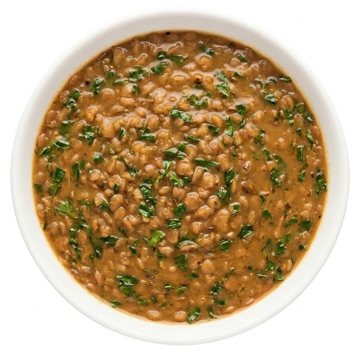
- Same: Indore Ki Methi Dal shares fresh fenugreek leaves, tomato, cumin, turmeric, chilli and lemon with this dish.
- Different: Indore Ki Methi Dal is a masoor dal simmered in water with onion, garlic, ginger, asafoetida, garam masala and sugar, while this dish is a stir-fry of fenugreek with crushed papad and no dal.
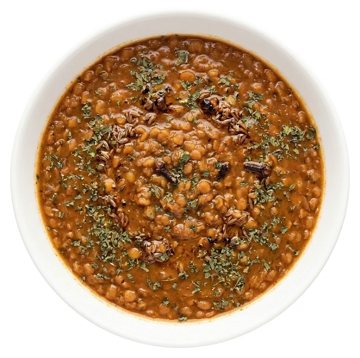
- Same: Masoor ki Dal shares a core spice blend of cumin seeds, ginger, ground coriander, turmeric, and chilli powder with this dish.
- Different: Rather than a quick stir-fry of fenugreek greens, tomatoes, and papad, it is a simmered lentil stew tempered with cloves, asafoetida, and ghee or oil, omitting the fresh green chillies and lemon juice.

- Same: Both dishes share a spice base of cumin seeds, ginger paste, tomatoes, turmeric, chilli powder, and ground coriander.
- Different: Aloo Vadiyan is a gravy-based curry featuring potatoes, lentil dumplings, onions, garlic, and yogurt cooked in ghee, whereas this dish is a vegetable oil stir-fry made with fenugreek greens, crisp papad, and lemon juice.

- Same: Bharwan Parwal and this dish both use cumin seed, ground coriander, turmeric, chilli powder, green chilli, ginger paste, tomato, salt and vegetable oil.
- Different: Bharwan Parwal stuffs wax gourd with chana dal and simmers it in a yogurt-tomato gravy with onion, garlic, amchoor, garam masala and ghee, while this dish stir-fries fenugreek leaves with crushed papad and lemon juice and has no dal, yogurt, onion, garlic or amchoor.